+
Haryana Clears 64 km Namo Bharat RRTS Linking NCR Cities
RAILWAYS & METRO RAIL

Haryana Clears 64 km Namo Bharat RRTS Linking NCR Cities

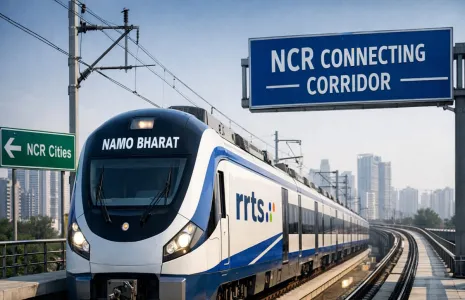
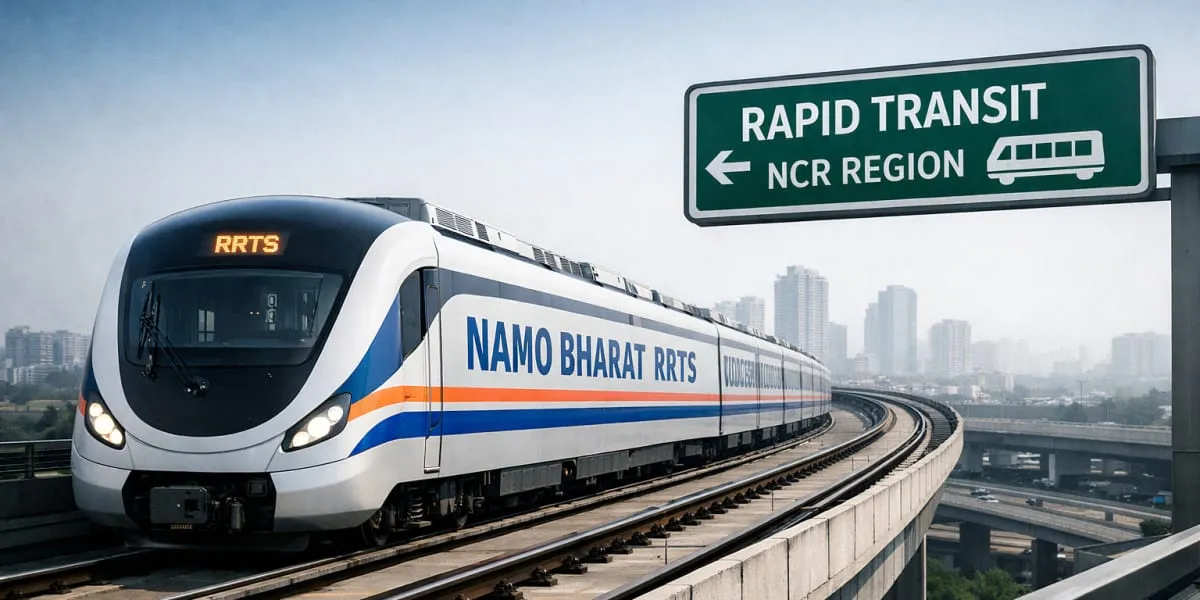
Haryana has cleared a 64-kilometre corridor of the Namo Bharat Rapid Regional Transit System (Namo Bharat RRTS) that will link several cities within the National Capital Region (NCR). The state cabinet granted approval for the project after receiving requisite clearances and technical assessments, according to a government statement. The move was described as a major step towards decongesting road corridors and enhancing public transport in the region. Stakeholder engagement will be a priority throughout delivery process.

The 64-kilometre corridor will form part of a broader rapid transit network intended to improve connectivity between major urban centres and satellite towns across the NCR. Planners expect the corridor to integrate with existing urban rail and bus systems to provide seamless interchanges and reduce door-to-door travel times for daily commuters. The project design includes elevated and at-grade sections to suit varying urban densities and minimise land acquisition.

Funding for the project is expected to come from a combination of central and state allocations along with private investment, as outlined in preliminary financing plans shared by officials. Authorities indicated that detailed project reports and tender documents will be finalised in forthcoming weeks to enable timely procurement and contractor mobilisation. Environmental and social safeguards will be addressed during the next phase to align construction with regulatory requirements.

The government set out a phased implementation strategy that will prioritise sections with the highest passenger demand and connectivity benefits, with construction and commissioning to follow formal approvals. Once operational, the Namo Bharat RRTS is expected to ease commuter congestion, support planned urban expansion and stimulate local economic activity. Officials noted ongoing coordination with NCR agencies to ensure integrated land use and transport planning. The administration confirmed timelines will be communicated once procurement milestones are achieved and community consultations are completed as planned.

Haryana has cleared a 64-kilometre corridor of the Namo Bharat Rapid Regional Transit System (Namo Bharat RRTS) that will link several cities within the National Capital Region (NCR). The state cabinet granted approval for the project after receiving requisite clearances and technical assessments, according to a government statement. The move was described as a major step towards decongesting road corridors and enhancing public transport in the region. Stakeholder engagement will be a priority throughout delivery process. The 64-kilometre corridor will form part of a broader rapid transit network intended to improve connectivity between major urban centres and satellite towns across the NCR. Planners expect the corridor to integrate with existing urban rail and bus systems to provide seamless interchanges and reduce door-to-door travel times for daily commuters. The project design includes elevated and at-grade sections to suit varying urban densities and minimise land acquisition. Funding for the project is expected to come from a combination of central and state allocations along with private investment, as outlined in preliminary financing plans shared by officials. Authorities indicated that detailed project reports and tender documents will be finalised in forthcoming weeks to enable timely procurement and contractor mobilisation. Environmental and social safeguards will be addressed during the next phase to align construction with regulatory requirements. The government set out a phased implementation strategy that will prioritise sections with the highest passenger demand and connectivity benefits, with construction and commissioning to follow formal approvals. Once operational, the Namo Bharat RRTS is expected to ease commuter congestion, support planned urban expansion and stimulate local economic activity. Officials noted ongoing coordination with NCR agencies to ensure integrated land use and transport planning. The administration confirmed timelines will be communicated once procurement milestones are achieved and community consultations are completed as planned.

Next Story
Infrastructure Urban

India Expands Semiconductor Training To 500 Institutions

Under the Chips to Startups programme of the India Semiconductor Mission, the Union minister responsible for Railways, Information and Broadcasting, and Electronics and IT reported notable progress in talent development. He indicated that over the past four years substantial steps have been taken towards a 10-year target of training 85,000 engineers in semiconductor design. World-class EDA tools have been deployed in 315 academic institutions across the country to provide students with practical exposure to chip design. These EDA tools are supported by leading global firms and are accessible t..

Next Story
Infrastructure Urban

Delhi Institutions Support India Semiconductor Mission

The Government of India has prioritised talent development through training, upskilling and workforce development under the Chips to Startups initiative of the India Semiconductor Mission, with officials noting progress in four years towards a 10-year target of training 85,000 engineers in semiconductor design. Electronic design automation tools provided by Synopsys, Cadence, Siemens, Renesas, Ansys and AMD have been deployed in 315 academic institutions, enabling students to gain practical chip design experience. Chips have been fabricated and tested at the Semiconductor Laboratory, Mohali, a..

Next Story
Infrastructure Urban

NHA Announces Winners Of NHCX Hackathon At IIT Hyderabad

The National Health Authority (NHA) has concluded the NHCX Hackathon under the Ayushman Bharat Digital Mission (ABDM) to stimulate innovation around the National Health Claims Exchange (NHCX). The winning teams presented their solutions at the NHCX Innovation Meet held at IIT Hyderabad during a two-day event in March 2026 that also served as the hackathon grand finale. The hackathon itself ran from 22 to 28 February 2026 and aimed to accelerate paperless, transparent claims processing across India. The event was organised with a range of ecosystem partners, including the Insurance Regulatory a..

Advertisement

Subscribe to Our Newsletter

Get daily newsletters around different themes from Construction world.

STAY CONNECTED

Advertisement

Advertisement

Advertisement