Hitachi Rail Wins Rs. 16.2 bn Chennai Metro Signalling Contract
RAILWAYS & METRO RAIL

Hitachi Rail Wins Rs. 16.2 bn Chennai Metro Signalling Contract

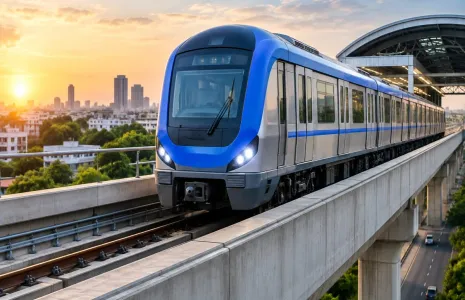
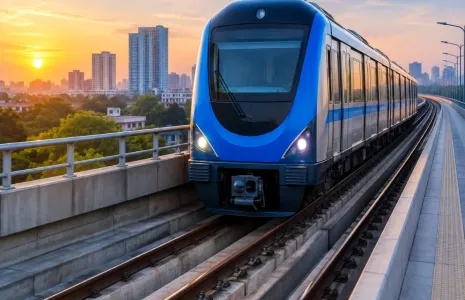
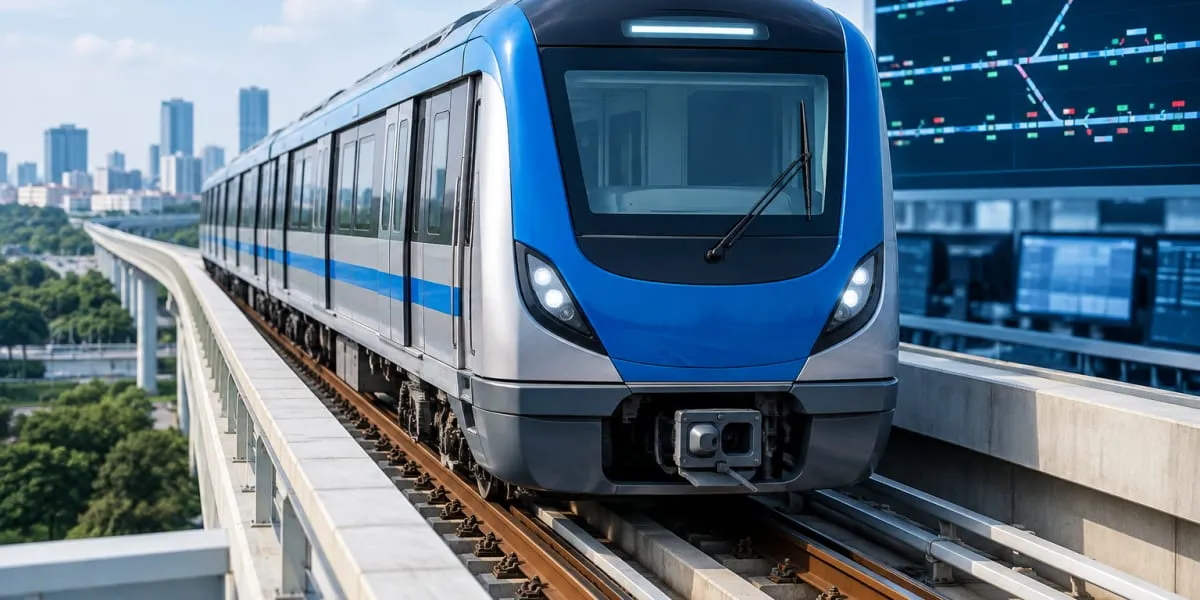
The first operational section of Chennai Metro’s Phase II has opened to passengers, bringing Hitachi Rail’s signalling technology into service. The Communication-Based Train Control (CBTC) system is designed to support fully driverless trains across the network being developed by Chennai Metro Rail (CMRL).

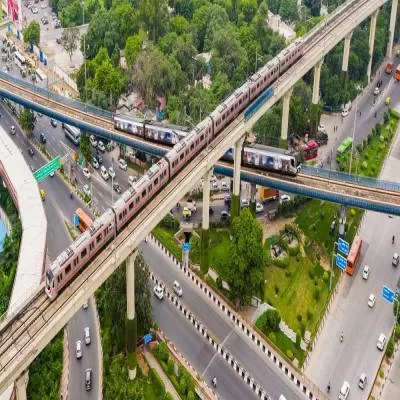
The 15 km Poonamallee-Vadapalani corridor was inaugurated on 11 October by Prime Minister Narendra Modi, alongside Tamil Nadu Chief Minister Joseph Vijay. The route has 11 elevated stations and is intended to improve connectivity between Chennai’s western suburbs and the city centre.

Hitachi Rail was awarded a Rs. 16.2 bn contract in 2023 for the 119 km Phase II network. The agreement covers the design, manufacture, supply, installation, testing and commissioning of signalling, train control and video management systems, making it one of India’s largest metro signalling contracts.

The CBTC technology automatically manages train movement, including acceleration and braking, while calculating suitable operating speeds in real time. It is intended to allow services to run at intervals of up to 90 seconds. When combined with Automatic Train Operation, the system can support Grade of Automation 4, under which trains operate without drivers.

Hitachi Rail’s India rail control division said the technology would help improve safety, passenger capacity and service reliability while reducing maintenance requirements. The company also linked the system to improved operational efficiency as Chennai expands its metro network. The corridor includes a 3.7 km double-decker structure and is expected to ease daily commutes, reduce travel times and strengthen sustainable transport connections across the city.

The first operational section of Chennai Metro’s Phase II has opened to passengers, bringing Hitachi Rail’s signalling technology into service. The Communication-Based Train Control (CBTC) system is designed to support fully driverless trains across the network being developed by Chennai Metro Rail (CMRL). The 15 km Poonamallee-Vadapalani corridor was inaugurated on 11 October by Prime Minister Narendra Modi, alongside Tamil Nadu Chief Minister Joseph Vijay. The route has 11 elevated stations and is intended to improve connectivity between Chennai’s western suburbs and the city centre. Hitachi Rail was awarded a Rs. 16.2 bn contract in 2023 for the 119 km Phase II network. The agreement covers the design, manufacture, supply, installation, testing and commissioning of signalling, train control and video management systems, making it one of India’s largest metro signalling contracts. The CBTC technology automatically manages train movement, including acceleration and braking, while calculating suitable operating speeds in real time. It is intended to allow services to run at intervals of up to 90 seconds. When combined with Automatic Train Operation, the system can support Grade of Automation 4, under which trains operate without drivers. Hitachi Rail’s India rail control division said the technology would help improve safety, passenger capacity and service reliability while reducing maintenance requirements. The company also linked the system to improved operational efficiency as Chennai expands its metro network. The corridor includes a 3.7 km double-decker structure and is expected to ease daily commutes, reduce travel times and strengthen sustainable transport connections across the city.

Related Stories

Gold Stories
Next Story
Equipment

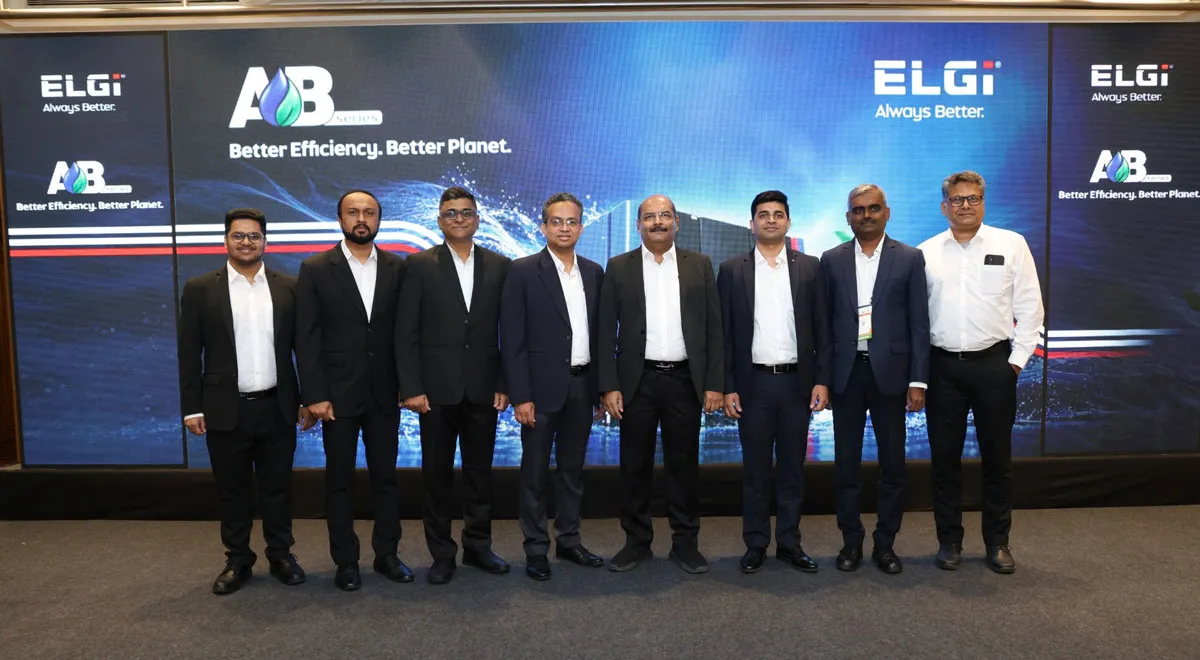
ELGi Unveils Evolved AB Series Oil-Free Screw Compressors

ELGi Equipments has unveiled the latest evolution of its AB Series oil-free screw air compressors at Drinktec India 2026, held at the Bombay Exhibition Centre in Mumbai from 28 to 30 October. The range uses water-injected compression technology to deliver ISO 8573 Class 0 oil-free compressed air.ELGi said the updated compressors demonstrate 5–6% lower specific power consumption under its stated comparison conditions. Its assessment also indicates up to 13% lower lifecycle costs over 40,000 operating hours, based on acquisition, electricity and maintenance costs and the company’s comparison..

Next Story
Infrastructure Energy

IndiGo May Raise Fares to Offset Rising Fuel Costs: CEO

IndiGo may raise airfares to offset a sharp increase in fuel costs, chief executive officer Willie Walsh said, as the airline reported a net loss of Rs. 18.79 bn for the September quarter. Higher fuel expenses and rupee depreciation offset stronger revenue during the period. Walsh said IndiGo would seek to limit fare increases, but the significant rise in its fuel bill left the airline with little choice. He said the company’s efficient cost base and strong liquidity provided flexibility to manage higher operating expenses without undertaking significant cost-cutting measures. Fuel prices ha..

Next Story
Infrastructure Urban

India Inc's ECB, FCCB Fundraising Proposals Rise to $8.13 bn in August

Indian companies, including non-banking financial companies (NBFCs), submitted proposals to raise $8.13 bn through external commercial borrowings (ECBs) and foreign currency convertible bonds (FCCBs) in August 2026, according to Reserve Bank of India (RBI) data. The amount increased from $7.70 bn in July. Of the August proposals, $7.95 bn was filed under the general permission route, while $180 mn received approval through the special permission route. Prominent proposals included Flipkart Internet’s nearly $1.14 bn borrowing from a foreign equity holder for three years for on-lending or sub..

Advertisement

Subscribe to Our Newsletter

Get daily newsletters around different themes from Construction world.

STAY CONNECTED

Advertisement

SPECIAL OFFER
QR Code