+
Maharashtra Unveils Mumbai 3.0 and Major Infrastructure Push
SMART CITIES

Maharashtra Unveils Mumbai 3.0 and Major Infrastructure Push

Maharashtra Chief Minister Devendra Fadnavis has outlined a major infrastructure and urban development roadmap for the state, spanning Mumbai redevelopment, new airports, port connectivity, technology corridors and public transport infrastructure.

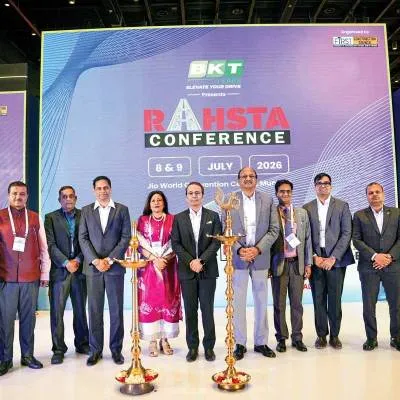
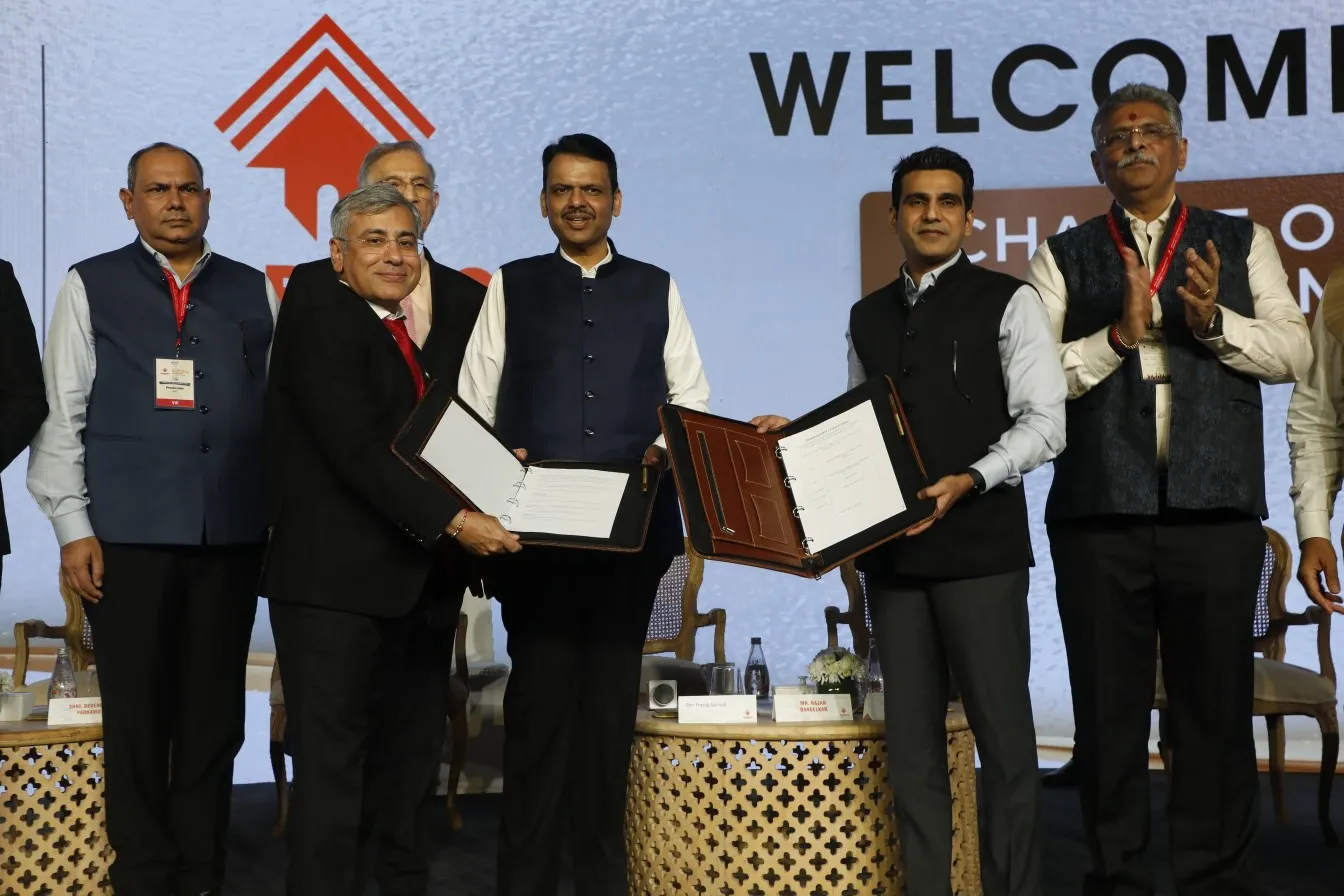
Speaking at the sixth edition of the Real Estate & Infrastructure Investors' Summit (REIIS) 2026 in Mumbai, Fadnavis said Maharashtra was targeting a $1.5 trillion economy for the Mumbai Metropolitan Region (MMR) by 2047.

“Mumbai 3.0 is not the future. It has already begun,” Fadnavis said, referring to the ongoing development of infrastructure projects including the coastal road, Metro network and airport infrastructure.

Redevelopment to drive Mumbai's next phase

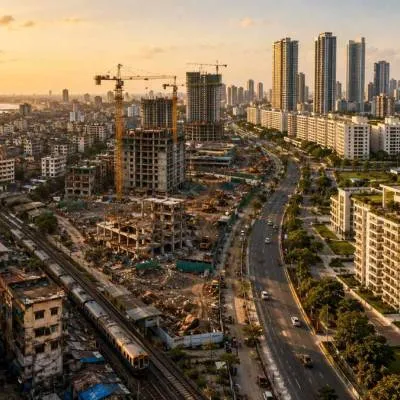
Fadnavis identified redevelopment as a key driver of Mumbai's future growth. He said the state government was pursuing a cluster redevelopment approach and aimed to make Mumbai slum-free over the next decade.

In Dharavi, the government plans to complete 10,000 rehabilitation homes by January 2029 for eligible residents. The cluster redevelopment model is also expected to unlock redevelopment opportunities in old MHADA layouts and ageing urban settlements.

The state government is also considering the redevelopment of BEST depot lands into mixed-use developments, combining transport infrastructure with residential, commercial and public spaces.

MMR targets $1.5 trillion economy

The MMR Growth Plan aims to expand the region's economy to $1.5 trillion by 2047. Fadnavis said planned urbanisation across the Mumbai, Pune and Nagpur metropolitan regions would support this growth.

He said the three regions were expected to emerge as major centres for data centres, smart manufacturing and technology-led economic activity.

The Chief Minister also pointed to Maharashtra's economic growth, stating that the state recorded 8.8 per cent growth compared with India's 7.6 per cent growth in the first quarter.

Virar airport and sea link planned

Fadnavis announced plans for a third airport for Mumbai in the Virar region, with the detailed project report expected to be ready by the end of 2026.

The state is also working on a proposed 24-km sea link between Uttan and Virar, which is intended to improve connectivity between south Mumbai and the northern parts of the metropolitan region.

The proposed projects are expected to support the development of a new northern growth corridor.

Vadhavan Port to strengthen connectivity

The Chief Minister also highlighted the development of Vadhavan Port and its potential to drive economic activity in Palghar and Thane districts.

The state is planning to improve freight connectivity between the port and Nashik, with further links through the Samruddhi Mahamarg towards Jalna, Wardha and other parts of Maharashtra.

New airports planned for Nagpur and Pune

Fadnavis said the development of New Nagpur would create fresh opportunities for real estate and infrastructure investment.

He also announced that work towards a new airport for Pune would begin this year, with tenders expected to be floated shortly.

The Mumbai–Pune corridor, meanwhile, is proposed to be developed as a “Quantum Corridor”, with a focus on technology, Global Capability Centres (GCCs) and advanced industries.

AI-led governance on the agenda

The Chief Minister said artificial intelligence would increasingly influence Maharashtra's economic and governance systems.

He said the government was working towards introducing AI into approval systems and administrative processes to improve efficiency and speed up decision-making.

Fadnavis said the nature of 70 per cent of jobs could change over the next 1,000 days due to AI and other technological disruptions.

140 MSRTC depots to be redeveloped

Separately, Maharashtra Transport Minister Pratap Sarnaik announced that the Maharashtra State Road Transport Corporation (MSRTC) would invite tenders within the next three months to redevelop 140 ST bus depots into modern bus ports.

The Maharashtra Cabinet approved the initiative on July 14, 2026. The programme is expected to involve private sector participation and could unlock around 13,000 to 14,000 acres of MSRTC land for development.

The proposed bus ports will combine upgraded passenger infrastructure with commercial and allied development opportunities.

Sarnaik made the announcement at REIIS 2026, where Raunak Bandelkar also formally took charge as the new President of NAREDCO Maharashtra Next Gen, succeeding Vikas Jain.

Maharashtra Chief Minister Devendra Fadnavis has outlined a major infrastructure and urban development roadmap for the state, spanning Mumbai redevelopment, new airports, port connectivity, technology corridors and public transport infrastructure.Speaking at the sixth edition of the Real Estate & Infrastructure Investors' Summit (REIIS) 2026 in Mumbai, Fadnavis said Maharashtra was targeting a $1.5 trillion economy for the Mumbai Metropolitan Region (MMR) by 2047.“Mumbai 3.0 is not the future. It has already begun,” Fadnavis said, referring to the ongoing development of infrastructure projects including the coastal road, Metro network and airport infrastructure.Redevelopment to drive Mumbai's next phaseFadnavis identified redevelopment as a key driver of Mumbai's future growth. He said the state government was pursuing a cluster redevelopment approach and aimed to make Mumbai slum-free over the next decade.In Dharavi, the government plans to complete 10,000 rehabilitation homes by January 2029 for eligible residents. The cluster redevelopment model is also expected to unlock redevelopment opportunities in old MHADA layouts and ageing urban settlements.The state government is also considering the redevelopment of BEST depot lands into mixed-use developments, combining transport infrastructure with residential, commercial and public spaces.MMR targets $1.5 trillion economyThe MMR Growth Plan aims to expand the region's economy to $1.5 trillion by 2047. Fadnavis said planned urbanisation across the Mumbai, Pune and Nagpur metropolitan regions would support this growth.He said the three regions were expected to emerge as major centres for data centres, smart manufacturing and technology-led economic activity.The Chief Minister also pointed to Maharashtra's economic growth, stating that the state recorded 8.8 per cent growth compared with India's 7.6 per cent growth in the first quarter.Virar airport and sea link plannedFadnavis announced plans for a third airport for Mumbai in the Virar region, with the detailed project report expected to be ready by the end of 2026.The state is also working on a proposed 24-km sea link between Uttan and Virar, which is intended to improve connectivity between south Mumbai and the northern parts of the metropolitan region.The proposed projects are expected to support the development of a new northern growth corridor.Vadhavan Port to strengthen connectivityThe Chief Minister also highlighted the development of Vadhavan Port and its potential to drive economic activity in Palghar and Thane districts.The state is planning to improve freight connectivity between the port and Nashik, with further links through the Samruddhi Mahamarg towards Jalna, Wardha and other parts of Maharashtra.New airports planned for Nagpur and PuneFadnavis said the development of New Nagpur would create fresh opportunities for real estate and infrastructure investment.He also announced that work towards a new airport for Pune would begin this year, with tenders expected to be floated shortly.The Mumbai–Pune corridor, meanwhile, is proposed to be developed as a “Quantum Corridor”, with a focus on technology, Global Capability Centres (GCCs) and advanced industries.AI-led governance on the agendaThe Chief Minister said artificial intelligence would increasingly influence Maharashtra's economic and governance systems.He said the government was working towards introducing AI into approval systems and administrative processes to improve efficiency and speed up decision-making.Fadnavis said the nature of 70 per cent of jobs could change over the next 1,000 days due to AI and other technological disruptions.140 MSRTC depots to be redevelopedSeparately, Maharashtra Transport Minister Pratap Sarnaik announced that the Maharashtra State Road Transport Corporation (MSRTC) would invite tenders within the next three months to redevelop 140 ST bus depots into modern bus ports.The Maharashtra Cabinet approved the initiative on July 14, 2026. The programme is expected to involve private sector participation and could unlock around 13,000 to 14,000 acres of MSRTC land for development.The proposed bus ports will combine upgraded passenger infrastructure with commercial and allied development opportunities.Sarnaik made the announcement at REIIS 2026, where Raunak Bandelkar also formally took charge as the new President of NAREDCO Maharashtra Next Gen, succeeding Vikas Jain.

Related Stories

Gold Stories

Next Story
Infrastructure Transport

MMRDA Targets Completion of Projects by December 2028

The Mumbai Metropolitan Region Development Authority (MMRDA) is targeting the completion of all its ongoing infrastructure projects by December 2028, a year ahead of its December 2029 deadline, Metropolitan Commissioner Dr Sanjay Mukherjee has said.Speaking at the sixth edition of the Real Estate & Infrastructure Investors' Summit (REIIS) 2026 in Mumbai, Mukherjee said the authority was developing an integrated network of roads, tunnels, sea links and Metro corridors under its broader vision of “Mumbai in 59 Minutes”.The objective is to improve east-west and north-south connectivity an..

Next Story
Building Material

High-Performance Façades Gain Ground in Indian Buildings

High-performance façades are gaining greater importance in Indian architecture as developers and architects increasingly focus on energy efficiency, thermal comfort and building performance, according to Shankar Fenestrations & Glasses.The company said modern façade systems are increasingly being considered as part of a building's overall performance strategy rather than being used primarily as aesthetic elements.High-performance glass, curtain wall systems and structural glazing can contribute to thermal regulation, solar control, daylight management and indoor comfort. Their growing ad..

Next Story
Technology

SPML Infra's 104.4 kWh BESS Battery Pack Clears Global Tests

SPML Infra has announced that its proprietary 104.4 kWh Battery Energy Storage System (BESS) battery pack has completed key international safety, performance and transportation testing and certification requirements, marking a step towards its commercial deployment.Developed under the company's own intellectual property, the battery pack has completed requirements under UL9540A, IEC 62619, IEC 63056, IEC 60730, IEC 61000-6-2, IEC 61000-6-4 and UN38.3 standards.The testing covers areas including thermal runaway safety, battery performance, system functional safety, electromagnetic compatibility..

Advertisement

Subscribe to Our Newsletter

Get daily newsletters around different themes from Construction world.

STAY CONNECTED

Advertisement

SPECIAL OFFER
QR Code