Indian Railways completes 100 per cent electrification in Odisha
RAILWAYS & METRO RAIL

Indian Railways completes 100 per cent electrification in Odisha

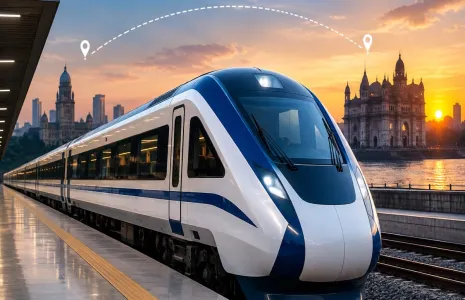
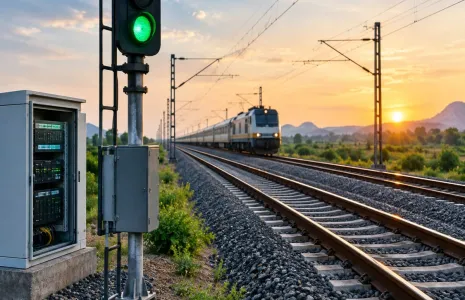
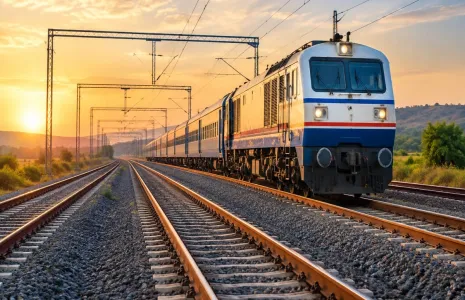
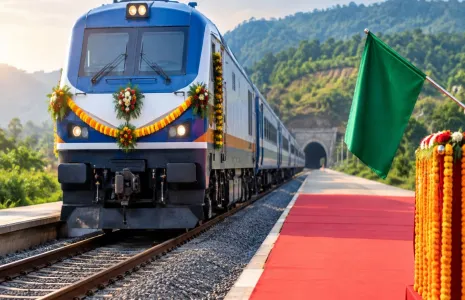
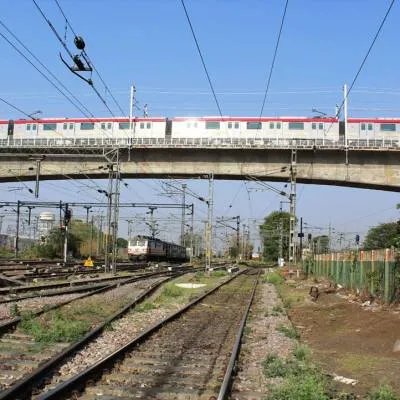
The Indian Railways has completely electrified the existing broad gauge network in Odisha in order to meet the target of becoming a net zero carbon emitter by 2030.

According to the Ministry of Railways, the existing broad gauge network in Odisha is 2,822 route km long and 100% electrified, resulting in savings due to reduced line haul cost (about 2.5 times lower), heavier haulage capacity, increased sectional capacity, reduced operating and maintenance cost of the electric loco, energy-efficient and eco-friendly mode of transportation with less reliance on imported crude oil, and savings of foreign exchange.

It went on to say that the new broad gauge network would be sanctioned alongside electrification, in line with the Railways' policy of having a 100% electrified network.

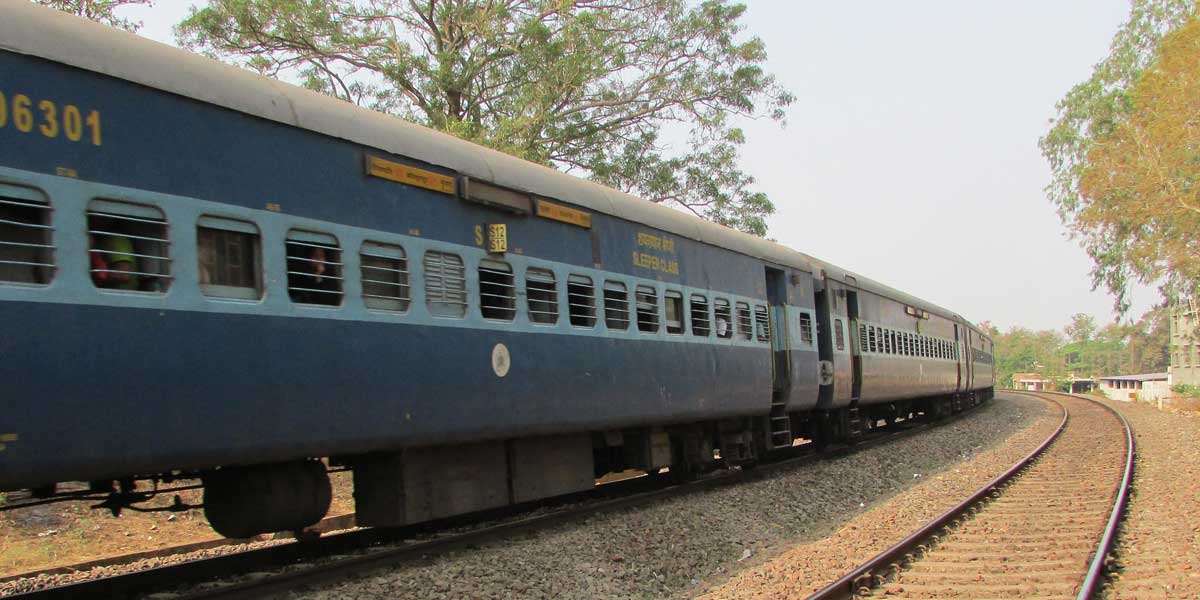
It is worth noting that the state of Odisha is served by the East Coast, South Eastern, and South East Central Railways. Bhubaneswar, Cuttack, Puri, Sambalpur, Bhadrak, Rourkela, and Jharsuguda are some of the major railway stations in Odisha.

According to a Railway Ministry statement, the railway network plays an important role in the transportation of minerals, agricultural products, and other goods from Odisha to other parts of the country. It is worth noting that the first railway line in Odisha was built in 1897 between Cuttack and Khurda Road in Puri.

Also Read
AAl gives a target to airports to use Green Energy
Sonowal inaugurates 'Sagar Manthan'

The Indian Railways has completely electrified the existing broad gauge network in Odisha in order to meet the target of becoming a net zero carbon emitter by 2030. According to the Ministry of Railways, the existing broad gauge network in Odisha is 2,822 route km long and 100% electrified, resulting in savings due to reduced line haul cost (about 2.5 times lower), heavier haulage capacity, increased sectional capacity, reduced operating and maintenance cost of the electric loco, energy-efficient and eco-friendly mode of transportation with less reliance on imported crude oil, and savings of foreign exchange. It went on to say that the new broad gauge network would be sanctioned alongside electrification, in line with the Railways' policy of having a 100% electrified network. It is worth noting that the state of Odisha is served by the East Coast, South Eastern, and South East Central Railways. Bhubaneswar, Cuttack, Puri, Sambalpur, Bhadrak, Rourkela, and Jharsuguda are some of the major railway stations in Odisha. According to a Railway Ministry statement, the railway network plays an important role in the transportation of minerals, agricultural products, and other goods from Odisha to other parts of the country. It is worth noting that the first railway line in Odisha was built in 1897 between Cuttack and Khurda Road in Puri. Also Read AAl gives a target to airports to use Green Energy Sonowal inaugurates 'Sagar Manthan'

Next Story
Infrastructure Urban

Infrastructure Opportunity Outlook by IMPACCT.Info

India’s infrastructure pipeline is witnessing dynamic activity across stages — from immediate bidding to future planning. IMPACCT segments these into three categories: Immediate, 3–6 Month, and Future Opportunities, enabling businesses to identify, prepare, and participate in high-value tenders and projects across sectors.To read the full article Click Here..

Next Story
Infrastructure Transport

The Road Ahead Begins Here

The future of India’s roads took centrestage at RAHSTA Expo 2026, where policymakers, contractors and industry leaders came together under one roof. The event blended thought leadership, technology showcase and industry recognition into a single powerful platform.India’s roads and highways community gathered in full strength at the Jio World Convention Centre, Mumbai, on July 8-9, 2026, for the 16th edition of the RAHSTA Expo (Roads and Highways Sustainable Technologies & Advancement). Over two action-packed days, the event brought together policymakers, contractors, consultants, devel..

Next Story
Infrastructure Urban

Wricks® is 50 per cent stronger than conventional bricks

India’s construction boom is colliding with mounting plastic and demolition waste. Angirus is responding with Wricks®, made from recycled waste and already deployed in over 400,000 units nationwide. Kunjpreet Arora, Cofounder and CEO, explains the technology, impact and growth roadmap.With several alternative building materials available, what industry gap did Angirus identify and how does Wricks® address it?The construction industry already has alternatives such as AAC blocks, fly-ash bricks and concrete blocks but these have limitations. AAC blocks may crack due to contraction and expans..

Advertisement

Subscribe to Our Newsletter

Get daily newsletters around different themes from Construction world.

STAY CONNECTED

Advertisement

Advertisement

Advertisement