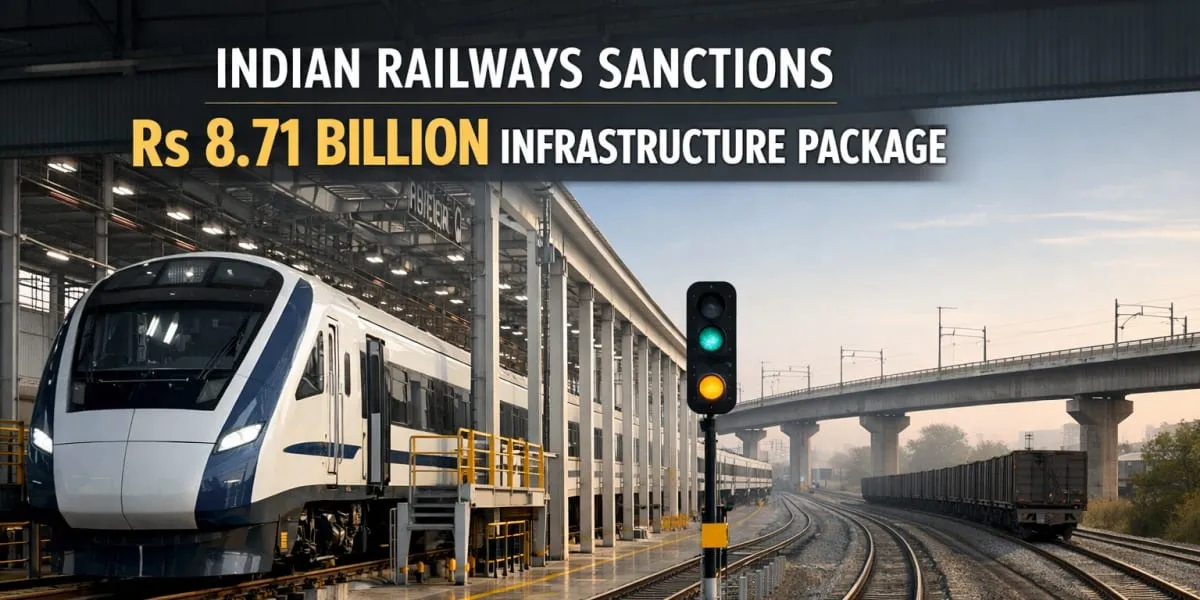
Indian Railways Sanctions Rs 8.71 Billion Infrastructure Package
RAILWAYS & METRO RAIL

Indian Railways Sanctions Rs 8.71 Billion Infrastructure Package

Indian Railways has approved a Rs 8.71 billion (bn) infrastructure package across Rajasthan, Kerala and West Bengal to modernise coaching maintenance and increase corridor capacity. The sanction covers depot augmentations, doubling of key sections and bypass construction to reduce operational constraints and improve connectivity. The investments are intended to support next generation trains and strengthen regional freight and passenger services.

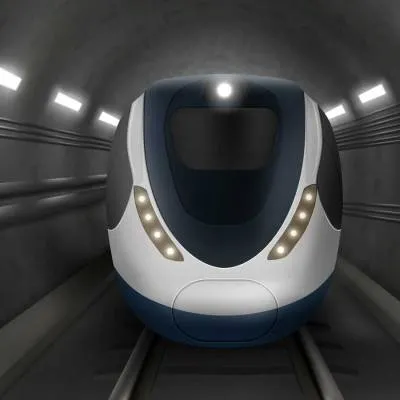
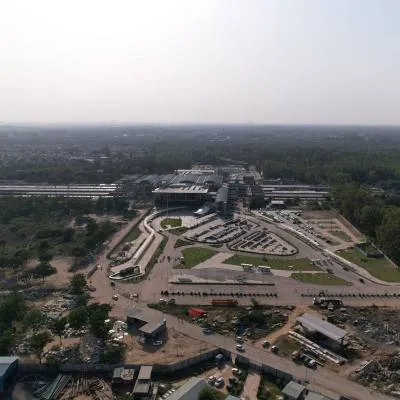
The largest component upgrades a maintenance facility with two 600-metre washing lines, three 650-metre stabling lines, two pit lines, a wheel lathe line and a 650-metre engine escape line, along with a 120 metre by 24 metre sick line shed. Works will install an automatic coach washing plant and modern machinery including synchronised jacks, forklifts and 25-tonne EOT cranes to handle LHB and Vande Bharat rolling stock. The augmented depot is expected to increase maintenance throughput by six additional rakes per day.

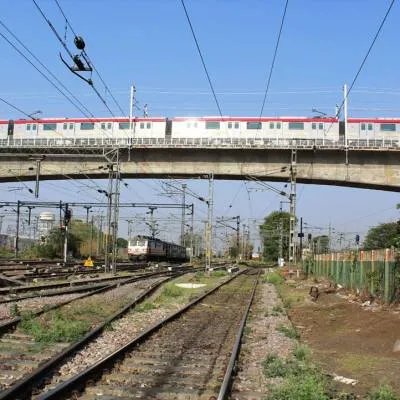
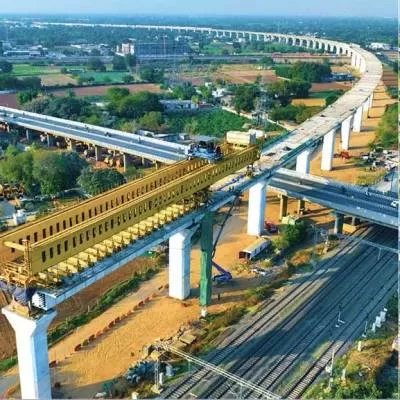
Phase II augmentation at Lalgarh has been sanctioned at Rs 1.40 bn and includes a 600-metre washing line, covered shed over four washing lines, a 120 metre by 16 metre sick line extension and a 1,000 square metre service building with automatic coach washing plants and synchronised lifting systems. Southern Railway will double the 21.10 km Turavur–Mararikulam section at Rs 4.51 bn to allow nine additional passenger trains per day and to raise freight capacity by 2.88 million (mn) tonnes (t) per annum. The doubling is expected to cut freight detention by between 17 and 19 minutes and save passenger running time of between 12 and 15 minutes. Eastern Railway will build a 4.75 km Kalipahari bypass at Rs 1.07 bn to remove engine reversal at Asansol yard and save roughly 90 minutes for nine freight workings and about 30 minutes for eight coaching workings daily.

Collectively the measures aim to reduce congestion, improve turnaround times and modernise the maintenance ecosystem across high density corridors. The package reflects a strategic focus on faster passenger services, enhanced freight efficiency and safer operations to support economic growth. Implementation schedules will determine when the benefits materialise for regional networks.

Indian Railways has approved a Rs 8.71 billion (bn) infrastructure package across Rajasthan, Kerala and West Bengal to modernise coaching maintenance and increase corridor capacity. The sanction covers depot augmentations, doubling of key sections and bypass construction to reduce operational constraints and improve connectivity. The investments are intended to support next generation trains and strengthen regional freight and passenger services. The largest component upgrades a maintenance facility with two 600-metre washing lines, three 650-metre stabling lines, two pit lines, a wheel lathe line and a 650-metre engine escape line, along with a 120 metre by 24 metre sick line shed. Works will install an automatic coach washing plant and modern machinery including synchronised jacks, forklifts and 25-tonne EOT cranes to handle LHB and Vande Bharat rolling stock. The augmented depot is expected to increase maintenance throughput by six additional rakes per day. Phase II augmentation at Lalgarh has been sanctioned at Rs 1.40 bn and includes a 600-metre washing line, covered shed over four washing lines, a 120 metre by 16 metre sick line extension and a 1,000 square metre service building with automatic coach washing plants and synchronised lifting systems. Southern Railway will double the 21.10 km Turavur–Mararikulam section at Rs 4.51 bn to allow nine additional passenger trains per day and to raise freight capacity by 2.88 million (mn) tonnes (t) per annum. The doubling is expected to cut freight detention by between 17 and 19 minutes and save passenger running time of between 12 and 15 minutes. Eastern Railway will build a 4.75 km Kalipahari bypass at Rs 1.07 bn to remove engine reversal at Asansol yard and save roughly 90 minutes for nine freight workings and about 30 minutes for eight coaching workings daily. Collectively the measures aim to reduce congestion, improve turnaround times and modernise the maintenance ecosystem across high density corridors. The package reflects a strategic focus on faster passenger services, enhanced freight efficiency and safer operations to support economic growth. Implementation schedules will determine when the benefits materialise for regional networks.

Next Story
Real Estate

Top White Tiles Texture Designs for Elegant Interiors

White interiors are often associated with simplicity, elegance, and timeless design. In many homes, white tiles help create this refined look because they reflect light and blend easily with different décor styles. Used in living rooms, kitchens, or bathrooms, they keep spaces feeling bright and open. Adding the right wall tile texture can introduce subtle depth and visual interest without overpowering the design. From soft finishes to gentle patterns, textured white tiles help create interiors that feel calm, balanced, and elegant.Why White Tile Textures Are Popular in Interior Design?One of..

Next Story
Resources

Brookfield India REIT Appoints Shashank Jain As CEO

Brookfield India Real Estate Trust (BIRET) has appointed Shashank Jain as Chief Executive Officer and Managing Director of the Manager of the REIT, effective July 1, 2026. Alok Aggarwal will continue in his role until June 30, 2026.Jain joins from PwC India, where he co-led the deals practice, and brings over 25 years of experience across real estate, private equity and mergers and acquisitions advisory.Ankur Gupta, Head of APAC and Middle East Real Estate at Brookfield Asset Management and Chairman on the Board of the Manager of BIRET, said, “Alok has been at the forefront of helping us bui..

Next Story
Resources

Captain Steel Launches TVC To Promote TMT Awareness

Captain Steel has launched a new television commercial aimed at educating consumers on the role of TMT rebars in ensuring structural strength, as part of a broader effort to address awareness gaps in the category.The campaign positions TMT rebars alongside cement, highlighting their complementary roles in construction—cement managing compressive load and rebars bearing tensile load. It urges homebuilders to apply equal consideration while selecting both materials.Featuring brand ambassador Sourav Ganguly and actor Parambrata Chattopadhyay, the film draws attention to consumer behaviour in ma..

Advertisement

Subscribe to Our Newsletter

Get daily newsletters around different themes from Construction world.

STAY CONNECTED

Advertisement

Advertisement

Advertisement