Karnataka Plans Coastal Ferry Between Mangaluru, Maravanthe
RAILWAYS & METRO RAIL

Karnataka Plans Coastal Ferry Between Mangaluru, Maravanthe

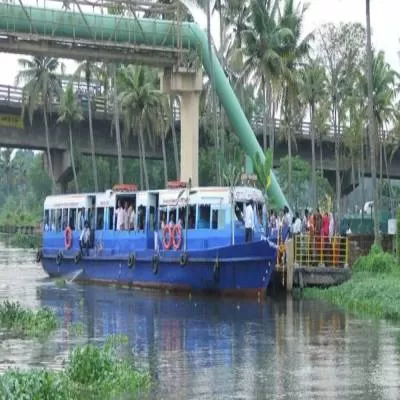
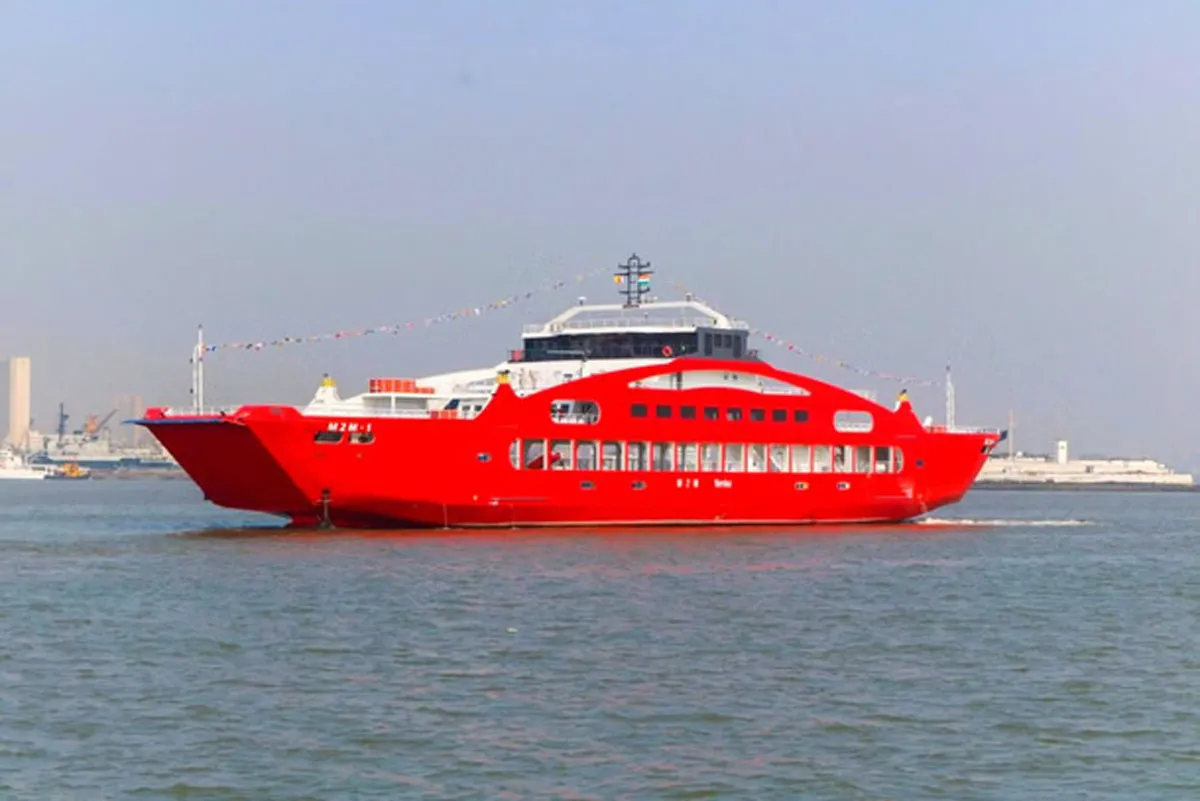
The Karnataka Maritime Board has unveiled plans to launch a dedicated coastal passenger ferry service linking Mangaluru with Maravanthe in Udupi district, offering an alternative to the congested NH-66 corridor.

The proposed ferry route will span around 110 km from Mangaluru to Maravanthe in Kundapur taluk, with services stopping at Old Mangaluru Port, Hejmadi, Malpe, Kota and Maravanthe. Officials said the corridor is expected to provide a faster and less congested travel option for coastal commuters and tourists.

The project is estimated to cost Rs 0.38 billion and will be implemented under a public–private partnership model, with a concession period of 20 years for the selected operator. Purpose-built jetties are proposed at all five locations, including Maravanthe, one of Karnataka’s most popular beach destinations.

Details of the ferry service and other maritime tourism initiatives were presented by KMB officials at the Coastal Karnataka Tourism Conclave organised by the Karnataka Tourism Department.

Alongside the coastal ferry, the board also outlined plans for a Water Metro project in and around Mangaluru city, with an estimated investment of Rs 1.8 billion. The project will cover major waterways under the Mangaluru City Corporation, linking Malavoor Bridge near Mangaluru International Airport with Jappinamogaru Bridge via the Gurupur and Nethravati rivers and Old Mangaluru Port.

The Water Metro is intended to create a seamless, multimodal urban transport system by integrating ferry services with city buses and intermediate public transport. KMB officials said the Gurupur and Nethravati rivers give Mangaluru strong potential for a PPP-based water metro, enabling cost-effective, sustainable and well-connected urban mobility.

The Karnataka Maritime Board has unveiled plans to launch a dedicated coastal passenger ferry service linking Mangaluru with Maravanthe in Udupi district, offering an alternative to the congested NH-66 corridor. The proposed ferry route will span around 110 km from Mangaluru to Maravanthe in Kundapur taluk, with services stopping at Old Mangaluru Port, Hejmadi, Malpe, Kota and Maravanthe. Officials said the corridor is expected to provide a faster and less congested travel option for coastal commuters and tourists. The project is estimated to cost Rs 0.38 billion and will be implemented under a public–private partnership model, with a concession period of 20 years for the selected operator. Purpose-built jetties are proposed at all five locations, including Maravanthe, one of Karnataka’s most popular beach destinations. Details of the ferry service and other maritime tourism initiatives were presented by KMB officials at the Coastal Karnataka Tourism Conclave organised by the Karnataka Tourism Department. Alongside the coastal ferry, the board also outlined plans for a Water Metro project in and around Mangaluru city, with an estimated investment of Rs 1.8 billion. The project will cover major waterways under the Mangaluru City Corporation, linking Malavoor Bridge near Mangaluru International Airport with Jappinamogaru Bridge via the Gurupur and Nethravati rivers and Old Mangaluru Port. The Water Metro is intended to create a seamless, multimodal urban transport system by integrating ferry services with city buses and intermediate public transport. KMB officials said the Gurupur and Nethravati rivers give Mangaluru strong potential for a PPP-based water metro, enabling cost-effective, sustainable and well-connected urban mobility.

Next Story
Infrastructure Urban

Implementation Status of Jal Jeevan Mission

Since August 2019 the Government has implemented Jal Jeevan Mission to provide assured potable water through household tap connections in rural India. At the start of the mission only 32.3 million (mn) rural households, representing 16.7 per cent, were reported to have tap water connections. States and union territories have reported that 125.8 mn additional rural households have since been provided with tap connections. As a result, of about 193.6 mn rural households roughly 158.2 mn, or 81.71 per cent, are reported to have tap water supply at home.\n\nThe State, district and village level st..

Next Story
Infrastructure Urban

Jal Jeevan Mission Reaches Eighty One Per Cent Rural Coverage

The Government reported substantial progress under the Jal Jeevan Mission, launched in August 2019 to provide tap water to every rural household. At launch only 32.3 million (mn) rural households had tap connections and states and Union territories reported provision of 125.8 mn additional households by March 2026. Consequently, out of about 193.6 mn rural households around 158.2 mn, or 81.71 per cent, are reported to have tap water at home. The Finance Minister announced extension of the mission until 2028 in the 2025-26 budget speech. The Swachh Bharat Mission Grameen, launched in October 20..

Next Story
Infrastructure Urban

Empowering Local Governance for Sustainable Rural Water Supply

The Ministry of Jal Shakti has aligned the Jal Jeevan Mission (JJM) with the 73rd Amendment to strengthen village level planning and community ownership of water supply. Gram Panchayats, village water and sanitation committees and Pani Samitis are to plan, implement, manage and maintain piped water systems, with gram sabha processes formalising handover and oversight. Implementation support agencies including non government organisations, community based organisations and self help groups have been empanelled to train local committees and promote women participation. Under JJM, the department ..

Advertisement

Subscribe to Our Newsletter

Get daily newsletters around different themes from Construction world.

STAY CONNECTED

Advertisement

Advertisement

Advertisement