Metrolite And Light Metro For Jammu And Srinagar Under Consideration
RAILWAYS & METRO RAIL

Metrolite And Light Metro For Jammu And Srinagar Under Consideration

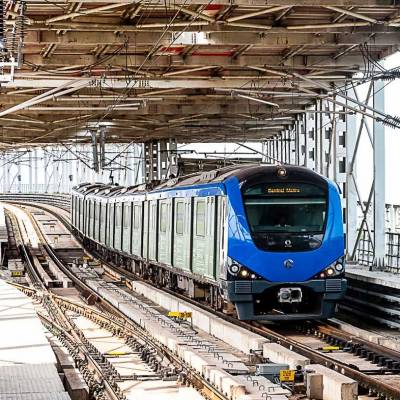
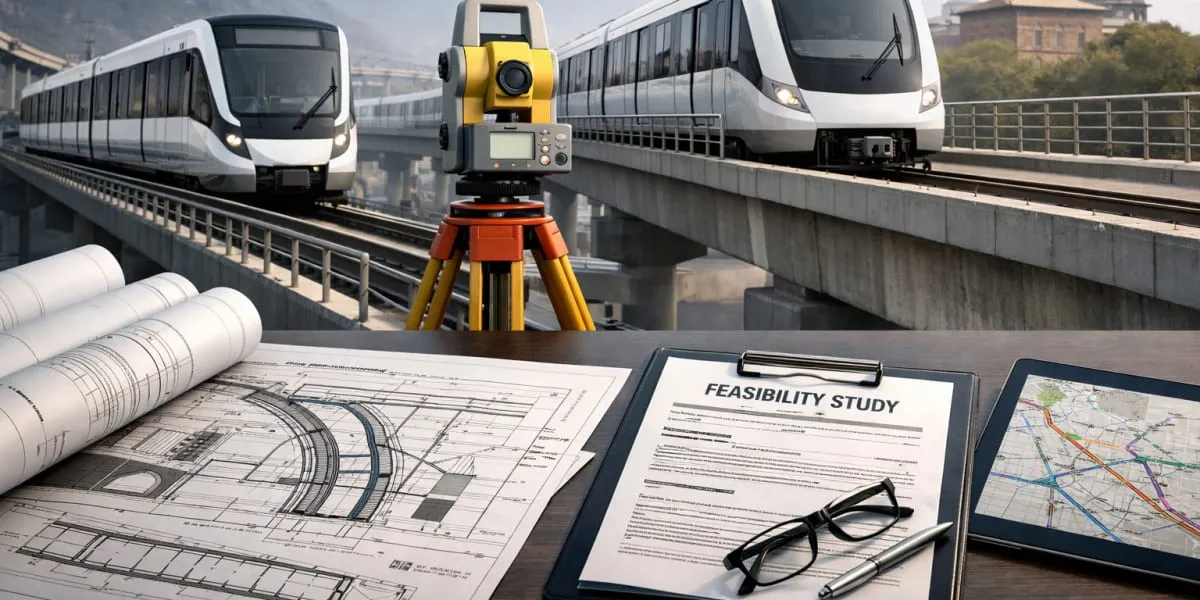
Sakeena Itoo reported that the government is considering metrolite and light metro projects for Jammu and Srinagar and that feasibility studies and detailed project reports are under examination. Technical agencies have been engaged to conduct preliminary surveys and traffic studies to determine corridor alignments and station locations. The official indicated that proposals remain at the planning stage pending further assessment.

The initiatives are intended to ease urban congestion and to improve public transport connectivity across both cities. Plans, as described by officials, envisage integration with existing bus networks, provision for park and ride facilities and enhanced last mile connectivity to serve commuters. The projects are also expected to contribute to reductions in travel time and in vehicular emissions.

Funding options under consideration include centre-state collaboration, public private partnership models and multilateral support where appropriate to spread fiscal burden. Authorities will explore phased implementation to manage costs and to minimise disruption during construction and to allow adaptation based on demand. Assessments will include land acquisition requirements, environmental impact analysis and social impact studies.

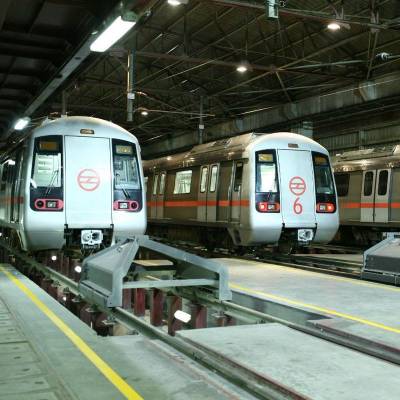
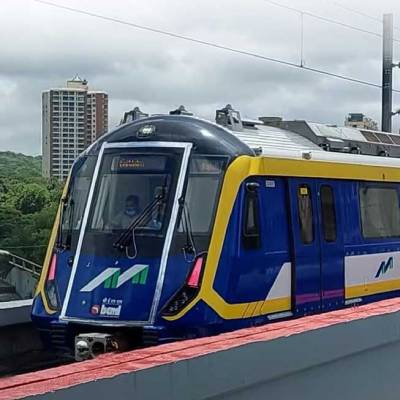
Metrolite systems are being weighed for corridors with moderate passenger demand while light metro systems are being considered for corridors requiring higher capacity. Technical considerations such as ridership forecasts, station spacing, depot location and rolling stock specification will inform the final choice. The planning process will seek to balance cost efficiency with long term service quality and reliability.

Timelines will depend on completion of detailed project reports, statutory approvals and funding decisions and officials noted that these steps will determine the pace of implementation. The proposals align with broader objectives to modernise urban transport infrastructure, to promote sustainable mobility and to support economic activity by improving city accessibility.

Sakeena Itoo reported that the government is considering metrolite and light metro projects for Jammu and Srinagar and that feasibility studies and detailed project reports are under examination. Technical agencies have been engaged to conduct preliminary surveys and traffic studies to determine corridor alignments and station locations. The official indicated that proposals remain at the planning stage pending further assessment. The initiatives are intended to ease urban congestion and to improve public transport connectivity across both cities. Plans, as described by officials, envisage integration with existing bus networks, provision for park and ride facilities and enhanced last mile connectivity to serve commuters. The projects are also expected to contribute to reductions in travel time and in vehicular emissions. Funding options under consideration include centre-state collaboration, public private partnership models and multilateral support where appropriate to spread fiscal burden. Authorities will explore phased implementation to manage costs and to minimise disruption during construction and to allow adaptation based on demand. Assessments will include land acquisition requirements, environmental impact analysis and social impact studies. Metrolite systems are being weighed for corridors with moderate passenger demand while light metro systems are being considered for corridors requiring higher capacity. Technical considerations such as ridership forecasts, station spacing, depot location and rolling stock specification will inform the final choice. The planning process will seek to balance cost efficiency with long term service quality and reliability. Timelines will depend on completion of detailed project reports, statutory approvals and funding decisions and officials noted that these steps will determine the pace of implementation. The proposals align with broader objectives to modernise urban transport infrastructure, to promote sustainable mobility and to support economic activity by improving city accessibility.

Related Stories

Gold Stories

Next Story
Infrastructure Urban

KONE Opens India's First Digital Experience Centre in Pune

KONE, a global elevator and escalator manufacturer, has inaugurated its first Digital Experience Centre (DEC) in India, located in Pune. The facility aims to showcase how artificial intelligence (AI), connectivity and data-driven technologies can enhance customer experiences and improve building operations.The centre was inaugurated by Jussi Herlin, Executive Vice Chair, KONE Corporation; Philippe Delorme, President and CEO, KONE; and Nandan Nilekani, Co-founder and Chairman of the Board, Infosys.Designed as an interactive customer environment, the facility demonstrates digital solutions cover..

Next Story
Infrastructure Urban

CII GreenCo Launches Circularity Guidelines for Indian Industry

The Confederation of Indian Industry (CII) GreenCo Council has launched the CII GreenCo Circularity Guidelines – Pilot Version at the 17th CII GreenCo Waste & Resource Management Summit 2026 in Chennai. The initiative aims to strengthen resource efficiency, waste reduction and circular economy practices across Indian manufacturing and process industries.The guidelines introduce a structured framework with circularity indices covering raw materials, consumables, packaging and other resource inputs. These indicators will help industries assess existing practices, identify opportunities to ..

Next Story
Infrastructure Energy

Global Electronics Association Launches IPC-1783-CO2E Standard

The Global Electronics Association has introduced IPC-1783-CO2E, a new international standard aimed at improving consistency, transparency and comparability in product carbon footprint reporting across the electronics manufacturing industry.The standard, titled International Standard for Data Collection and Reporting of CO2 Equivalent (CO2e) Emissions for the Electronics Manufacturing Supply Chain, provides industry-specific guidance for collecting, estimating and reporting carbon emissions data.With increasing regulatory requirements and customer expectations, electronics manufacturers face c..

Advertisement

Subscribe to Our Newsletter

Get daily newsletters around different themes from Construction world.

STAY CONNECTED

Advertisement

SPECIAL OFFER
QR Code