

Mumbai Metro-3 may open fully by Dussehra
RAILWAYS & METRO RAIL

Mumbai Metro-3 may open fully by Dussehra

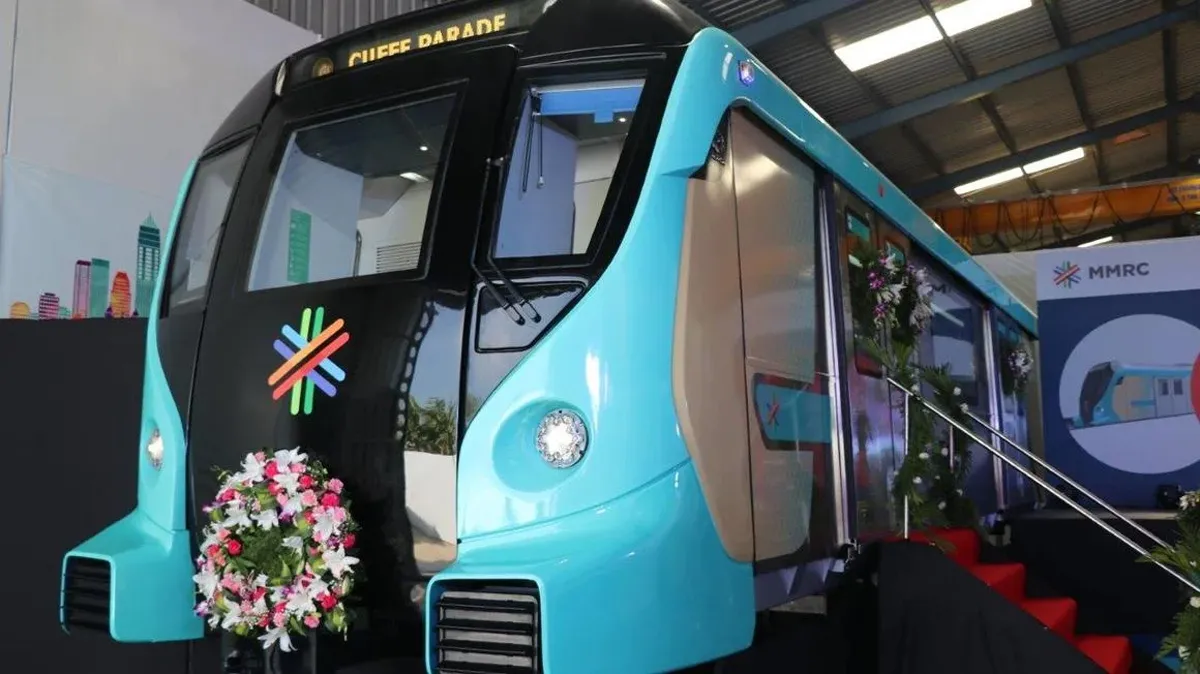
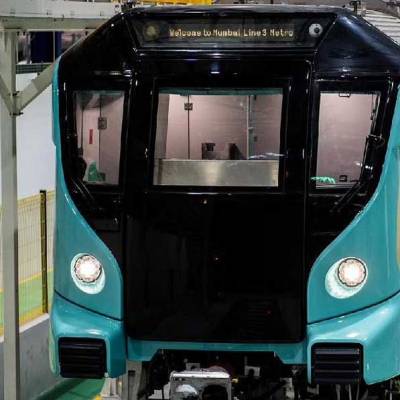
Mumbai is on the verge of a major transport milestone as the 33.5-km Metro-3 Aqua Line from Colaba to Aarey Colony nears full completion. Authorities are aiming to launch the entire corridor by Dussehra, pending final safety clearances.

The project, executed in phases, has already brought relief to commuters. The first section between Aarey Colony and Bandra-Kurla Complex (BKC) opened in October 2024, followed by the BKC–Worli stretch in May 2025. The final Worli–Cuffe Parade segment is currently under safety inspections by the Commissioner of Metro Railway Safety (CMRS). A final review is expected before a formal nod for operations.

Once operational, the line will drastically cut travel times. A Colaba–Aarey trip that currently takes up to three hours in peak traffic will be completed in under one hour. Interchange stations at Mumbai Central, CSMT, Dadar and Churchgate will integrate the corridor with other metro lines and suburban rail, making it one of the city’s most vital transit backbones.

The Aqua Line is already recording strong ridership. Phase one alone has eliminated 6.5 lakh car trips daily, while the Worli–BKC stretch has attracted over 32,000 passengers within two days of launch. The complete line is projected to carry 13 lakh commuters daily, connecting business hubs such as BKC, Worli and SEEPZ with south Mumbai and the airport.

Mumbai is on the verge of a major transport milestone as the 33.5-km Metro-3 Aqua Line from Colaba to Aarey Colony nears full completion. Authorities are aiming to launch the entire corridor by Dussehra, pending final safety clearances.The project, executed in phases, has already brought relief to commuters. The first section between Aarey Colony and Bandra-Kurla Complex (BKC) opened in October 2024, followed by the BKC–Worli stretch in May 2025. The final Worli–Cuffe Parade segment is currently under safety inspections by the Commissioner of Metro Railway Safety (CMRS). A final review is expected before a formal nod for operations.Once operational, the line will drastically cut travel times. A Colaba–Aarey trip that currently takes up to three hours in peak traffic will be completed in under one hour. Interchange stations at Mumbai Central, CSMT, Dadar and Churchgate will integrate the corridor with other metro lines and suburban rail, making it one of the city’s most vital transit backbones.The Aqua Line is already recording strong ridership. Phase one alone has eliminated 6.5 lakh car trips daily, while the Worli–BKC stretch has attracted over 32,000 passengers within two days of launch. The complete line is projected to carry 13 lakh commuters daily, connecting business hubs such as BKC, Worli and SEEPZ with south Mumbai and the airport.

Next Story
Infrastructure Urban

Implementation Status of Jal Jeevan Mission

Since August 2019 the Government has implemented Jal Jeevan Mission to provide assured potable water through household tap connections in rural India. At the start of the mission only 32.3 million (mn) rural households, representing 16.7 per cent, were reported to have tap water connections. States and union territories have reported that 125.8 mn additional rural households have since been provided with tap connections. As a result, of about 193.6 mn rural households roughly 158.2 mn, or 81.71 per cent, are reported to have tap water supply at home.\n\nThe State, district and village level st..

Next Story
Infrastructure Urban

Jal Jeevan Mission Reaches Eighty One Per Cent Rural Coverage

The Government reported substantial progress under the Jal Jeevan Mission, launched in August 2019 to provide tap water to every rural household. At launch only 32.3 million (mn) rural households had tap connections and states and Union territories reported provision of 125.8 mn additional households by March 2026. Consequently, out of about 193.6 mn rural households around 158.2 mn, or 81.71 per cent, are reported to have tap water at home. The Finance Minister announced extension of the mission until 2028 in the 2025-26 budget speech. The Swachh Bharat Mission Grameen, launched in October 20..

Next Story
Infrastructure Urban

Empowering Local Governance for Sustainable Rural Water Supply

The Ministry of Jal Shakti has aligned the Jal Jeevan Mission (JJM) with the 73rd Amendment to strengthen village level planning and community ownership of water supply. Gram Panchayats, village water and sanitation committees and Pani Samitis are to plan, implement, manage and maintain piped water systems, with gram sabha processes formalising handover and oversight. Implementation support agencies including non government organisations, community based organisations and self help groups have been empanelled to train local committees and promote women participation. Under JJM, the department ..

Advertisement

Subscribe to Our Newsletter

Get daily newsletters around different themes from Construction world.

STAY CONNECTED

Advertisement

Advertisement

Advertisement