+
Mumbai Metro 6 May Open Without Kanjurmarg Depot
RAILWAYS & METRO RAIL

Mumbai Metro 6 May Open Without Kanjurmarg Depot

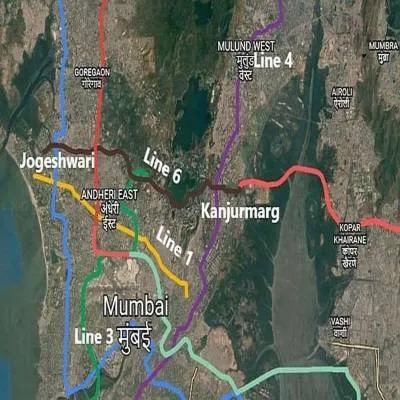
Mumbai Metropolitan Region Development Authority is planning to launch Mumbai Metro Line 6 without the proposed car depot at Kanjurmarg, adopting an alternative maintenance strategy to avoid delays. The 15.31-km corridor, connecting Swami Samarth Nagar in Andheri (West) to Vikhroli, is targeted for opening in the second half of 2026.

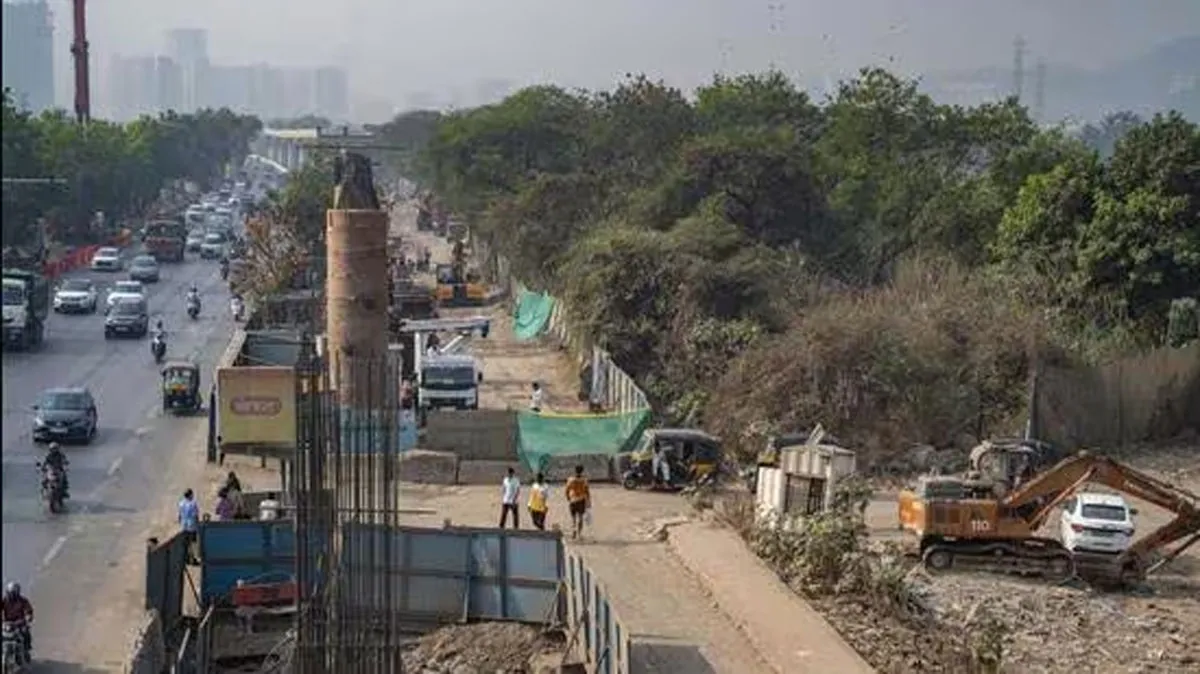
To bypass the need for the depot, which could take two to three years to become operational, MMRDA is developing an elevated eight-lane corridor with pit lines for train maintenance at the Vikhroli end. This elevated maintenance deck, currently under construction parallel to the Eastern Express Highway, will allow routine servicing of metro rakes. Periodic overhauls will be carried out at the Mandale depot, according to officials.

The Kanjurmarg depot has been delayed due to land-related issues. MMRDA had sought 15 hectares of land for the facility, but the site’s classification as salt pan land has led to prolonged government procedures. Although the Maharashtra government handed over 15 hectares in April 2023, an additional seven hectares sought by MMRDA for allied activities is still under consideration. Officials said the elevated maintenance system and single pit lines near stations would allow operations to begin without waiting for the depot’s completion.

Sources indicated that sufficient rakes are available to operate the corridor initially, with six to eight trains expected to run at intervals of six to eight minutes. By the time demand rises, the Kanjurmarg depot is expected to be ready.

MMRDA is also in the final stages of acquiring land from government, forest and private owners for certain stations along the corridor. These include Jogeshwari (West) near IIT Bombay in Powai, Kanjurmarg near the Eastern Express Highway, and Saki Vihar near Larsen & Toubro. While construction has commenced at these locations, small parcels of land are still required for foot overbridges. Station works and girder installations are already under way.

MMRDA has appointed a contractor for the Kanjurmarg depot at an estimated cost of Rs 5.09 billion. The scope of work includes construction of boundary walls, earthwork, workshops, inspection bays, stabling lines, an automatic washing plant and an operations and control centre.

The proposed depot-free operational model reflects MMRDA’s broader strategy to accelerate metro commissioning timelines while addressing land acquisition challenges. If implemented successfully, the approach could set a precedent for future metro corridors in Mumbai’s rapidly expanding urban transport network.

Mumbai Metropolitan Region Development Authority is planning to launch Mumbai Metro Line 6 without the proposed car depot at Kanjurmarg, adopting an alternative maintenance strategy to avoid delays. The 15.31-km corridor, connecting Swami Samarth Nagar in Andheri (West) to Vikhroli, is targeted for opening in the second half of 2026. To bypass the need for the depot, which could take two to three years to become operational, MMRDA is developing an elevated eight-lane corridor with pit lines for train maintenance at the Vikhroli end. This elevated maintenance deck, currently under construction parallel to the Eastern Express Highway, will allow routine servicing of metro rakes. Periodic overhauls will be carried out at the Mandale depot, according to officials. The Kanjurmarg depot has been delayed due to land-related issues. MMRDA had sought 15 hectares of land for the facility, but the site’s classification as salt pan land has led to prolonged government procedures. Although the Maharashtra government handed over 15 hectares in April 2023, an additional seven hectares sought by MMRDA for allied activities is still under consideration. Officials said the elevated maintenance system and single pit lines near stations would allow operations to begin without waiting for the depot’s completion. Sources indicated that sufficient rakes are available to operate the corridor initially, with six to eight trains expected to run at intervals of six to eight minutes. By the time demand rises, the Kanjurmarg depot is expected to be ready. MMRDA is also in the final stages of acquiring land from government, forest and private owners for certain stations along the corridor. These include Jogeshwari (West) near IIT Bombay in Powai, Kanjurmarg near the Eastern Express Highway, and Saki Vihar near Larsen & Toubro. While construction has commenced at these locations, small parcels of land are still required for foot overbridges. Station works and girder installations are already under way. MMRDA has appointed a contractor for the Kanjurmarg depot at an estimated cost of Rs 5.09 billion. The scope of work includes construction of boundary walls, earthwork, workshops, inspection bays, stabling lines, an automatic washing plant and an operations and control centre. The proposed depot-free operational model reflects MMRDA’s broader strategy to accelerate metro commissioning timelines while addressing land acquisition challenges. If implemented successfully, the approach could set a precedent for future metro corridors in Mumbai’s rapidly expanding urban transport network.

Related Stories

Gold Stories

Next Story
Products

Interio by Godrej launches modular workplace solutions

Interio by Godrej has launched Workscapes, a modular workplace solutions category designed to help organisations configure and adapt workspaces to changing requirements. The portfolio combines mobile and compatible furniture and support elements that can be rearranged across different work modes without changes to fixed layouts.Workscapes includes Collaboration Tables, Privacy Solutions, Mobile Markerboards and Space Dividers, Power Solutions, Storage and Support Elements, Meeting and Presentation Tools, and Seating Elements. The range is designed for focused work, collaboration, informal disc..

Next Story
Infrastructure Urban

CAFE-III Gives Auto Industry Investment Clarity

The government’s new Corporate Average Fuel Economy (CAFE-III) norms have provided the automobile industry with a clearer framework for technology investments, according to industry representatives. The framework seeks to balance environmental objectives with flexibility for manufacturers while encouraging the adoption of flex-fuel vehicles and biofuels. Society of Indian Automobile Manufacturers (SIAM) President Shenu Agarwal said the five-year framework would give automakers greater predictability to plan investments and accelerate innovation. He said the regulation established annual targ..

Next Story
Infrastructure Energy

Mines Ministry to Auction Two Offshore Mineral Blocks in Andaman Sea

The Ministry of Mines will launch an auction of two offshore mineral blocks in the Andaman Sea on Thursday, seeking to unlock India’s offshore mineral potential and strengthen long-term mineral resource security. The blocks will be offered under a composite licence, which permits exploration and development activities in accordance with the applicable regulatory framework. The ministry said the auction was intended to encourage systematic exploration, attract investment and promote the use of advanced technologies for offshore mineral exploration and development. The initiative is also aimed..

Advertisement

Subscribe to Our Newsletter

Get daily newsletters around different themes from Construction world.

STAY CONNECTED

Advertisement

SPECIAL OFFER
QR Code