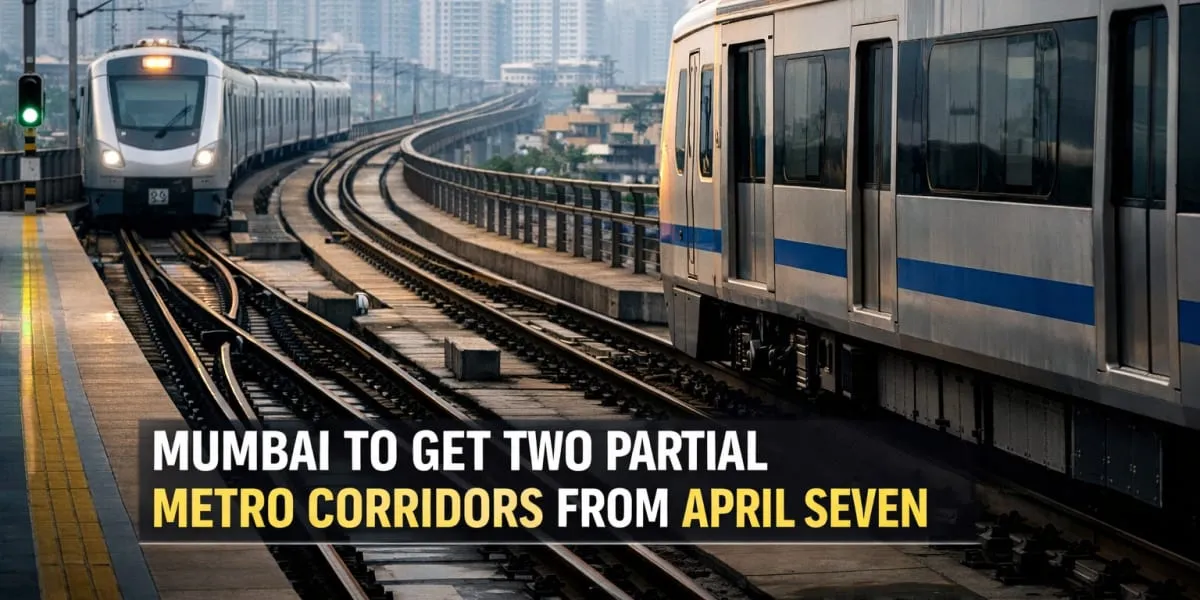
Mumbai To Get Two Partial Metro Corridors From April Seven
RAILWAYS & METRO RAIL

Mumbai To Get Two Partial Metro Corridors From April Seven

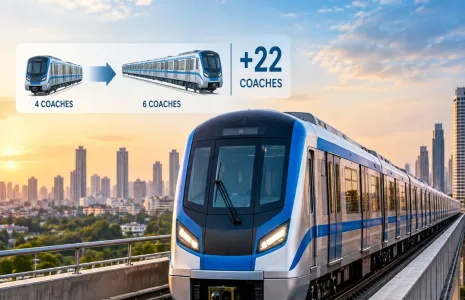
Mumbai will gain two new partial metro corridors, with the first phase scheduled to open on April seven. Authorities said the inaugural stretch will be a partial section of each corridor and will mark a significant addition to the city transport network. The opening will follow completion of final safety certifications and readiness trials and inspections.

The corridors are intended to strengthen links between existing suburban rail lines and central business districts, offering commuters shorter door to door journeys and easier transfers. Planners expect the new sections to integrate with bus services and pedestrian networks to improve last mile connectivity. The project forms part of wider efforts to expand rapid transit across the metropolitan region. The works have followed established urban transport standards.

Operational arrangements for the first phase will include scheduled services throughout the day and provisions for peak capacity management, the authorities said. Staff training and automated signalling checks have been completed on the sections due to open. There will be a period of monitored operations to assess performance and patronage in the initial weeks.

Officials anticipate that the new corridors will reduce traffic congestion on busy arterial roads and deliver time savings for daily commuters. The infrastructure is also expected to support local economic activity around station precincts and encourage a shift to public transport, with environmental benefits from lower vehicular emissions. Monitoring will measure these impacts as services stabilise. Local stakeholders have been consulted during planning.

Further phases will open in stages as construction and systems installation progress, with completion timelines to be announced by the transport authorities. Planners will use passenger data from the first phase to refine service patterns and integration measures. The launch on April seven will be an early milestone in the city's expanding metro network. Authorities will publicise detailed schedules closer to the opening.

Mumbai will gain two new partial metro corridors, with the first phase scheduled to open on April seven. Authorities said the inaugural stretch will be a partial section of each corridor and will mark a significant addition to the city transport network. The opening will follow completion of final safety certifications and readiness trials and inspections. The corridors are intended to strengthen links between existing suburban rail lines and central business districts, offering commuters shorter door to door journeys and easier transfers. Planners expect the new sections to integrate with bus services and pedestrian networks to improve last mile connectivity. The project forms part of wider efforts to expand rapid transit across the metropolitan region. The works have followed established urban transport standards. Operational arrangements for the first phase will include scheduled services throughout the day and provisions for peak capacity management, the authorities said. Staff training and automated signalling checks have been completed on the sections due to open. There will be a period of monitored operations to assess performance and patronage in the initial weeks. Officials anticipate that the new corridors will reduce traffic congestion on busy arterial roads and deliver time savings for daily commuters. The infrastructure is also expected to support local economic activity around station precincts and encourage a shift to public transport, with environmental benefits from lower vehicular emissions. Monitoring will measure these impacts as services stabilise. Local stakeholders have been consulted during planning. Further phases will open in stages as construction and systems installation progress, with completion timelines to be announced by the transport authorities. Planners will use passenger data from the first phase to refine service patterns and integration measures. The launch on April seven will be an early milestone in the city's expanding metro network. Authorities will publicise detailed schedules closer to the opening.

Next Story
Infrastructure Transport

AFCONS & Navayuga set world records with Missing Link Expressway

Maharashtra’s most ambitious greenfield bypass — a 13.3-km alignment carrying twin record-setting tunnels and India’s tallest cable-stayed road bridge — was thrown open to traffic on Maharashtra Day, finally completing the Mumbai–Pune Expressway after a 23-year wait. CW reports…The 650-m cable-stayed bridge over Tiger Valley at sunset — the package executed by Afcons Infrastructure Ltd carries 182-m pylons, the tallest on any Indian road bridge.On 1 May 2026, Chief Minister Devendra Fadnavis, flanked by Deputy Chief Ministers Eknath Shinde and Sunetra Pawar (representing the late..

Next Story
Infrastructure Transport

Mumbai–Pune Missing Link boosts realty prospects

The recently opened ‘missing link’ on the Mumbai–Pune Expressway is set to significantly transform connectivity between the two cities by reducing travel time and bypassing the challenging ghat section. The new alignment, featuring tunnels and viaducts, is designed to improve safety, ease congestion and ensure a smoother, faster commute for both passenger and commercial traffic.With improved travel efficiency, the corridor is expected to strengthen intercity movement, encouraging more frequent travel for work, leisure and logistics. This enhanced accessibility is likely to benefit real e..

Next Story
Infrastructure Urban

How Hormuz is Hijacking Indian Highways

At the recently held RAHSTA Round Table on 29th April in Pune, and earlier during our webinars for Cement Expo by Indian Cement Review and by FIRST Construction Council on manufacturing construction equipment for the world, one thread lay common: the industry is being subjected to a cost-push chain reaction moving from crude oil → freight/insurance → steel, cement fuel, bitumen, polymers, packaging, logistics and finally project margins. Indeed, the West Asia crisis caused by the war and the Hormuz Strait blockade, which does not directly concern us, has turned around and hit us. If the wa..

Advertisement

Subscribe to Our Newsletter

Get daily newsletters around different themes from Construction world.

STAY CONNECTED

Advertisement

Advertisement

Advertisement