Phase-1 of Thane–Wadala Metro Line-4 to Open by December 2025
RAILWAYS & METRO RAIL

Phase-1 of Thane–Wadala Metro Line-4 to Open by December 2025

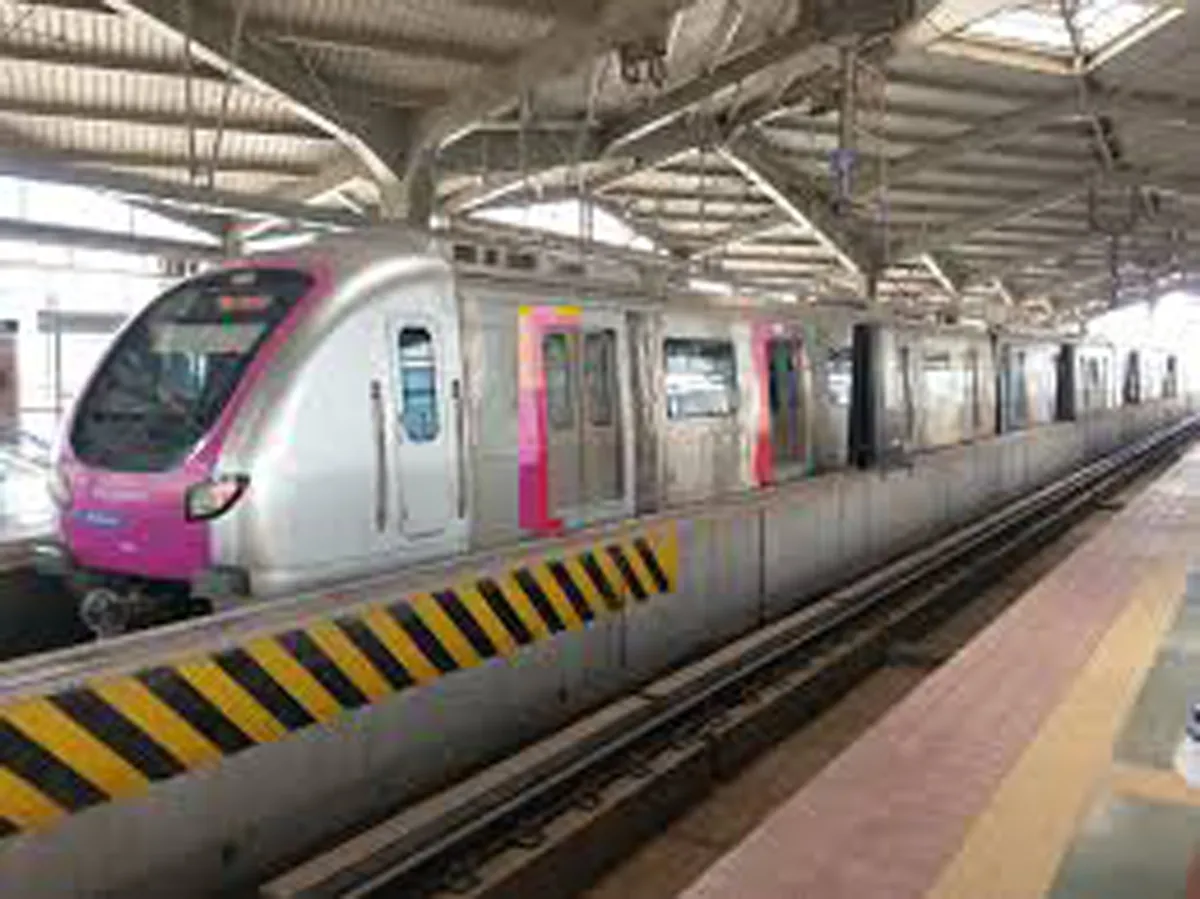
The Mumbai Metropolitan Region Development Authority (MMRDA) has successfully conducted the technical inspection and trial run of the Green Line-4 Metro’s priority section, marking a significant step towards operationalising Thane’s first metro. Metro Line 4 and its extension, Line 4A, will connect Mira-Bhayandar to Wadala via Gaimukh and Kasarvadavali.

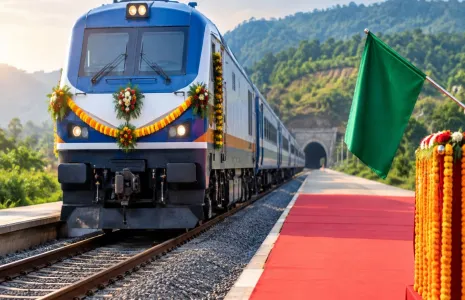
The inspection was flagged off by Chief Minister Devendra Fadnavis, along with Deputy Chief Minister Eknath Shinde and Maharashtra Transport Minister Pratak Sarnaik.

Phase-1 of the Thane–Wadala Metro, between Gaimukh and Cadbury Junction, will be opened in two stages — December 2025 and April 2026. Notably, this will be the first metro corridor to commence operations without a car shed, as Gaimukh station has been equipped with pit lines for maintenance and stabling lines for parking. Two trains from Yellow Line-2 have already been deployed for trials, while the corridor’s own trains are under production through an Alstom–L&T joint venture.

The priority section covers 4.4 km and four stations — Gaimukh, Govaniwada, Kasarvadavali, and Vijay Garden — and is set to open in December 2025. The entire Phase-1 stretch to Cadbury Junction will be operational by April 2026.

An MMRDA official explained that the inspection assessed the readiness of all systems in line with the Commissioner of Metro Rail Safety (CMRS) requirements. “The viaduct, tracks, and overhead equipment (OHE) are fully completed. Data collection for load calculation and software configuration was undertaken, while the integration of all systems necessary for safe operations was also verified. An Independent Safety Assessor (ISA) certification process will follow, after which CMRS approval will be sought. Only upon securing all statutory clearances will this corridor be opened to passengers,” the official said.

Another official added, “It is a truly historic moment for Thane today. For the first time, the city is getting its own metro, which is a matter of pride for every citizen. This marks the beginning of India’s longest elevated metro corridor – 58 km, which will connect Wadala to CSMT in the south and extend to Mira Road in the north.”

The official further said, “It will create new connectivity, new economic opportunities, and jobs across the MMR. I wholeheartedly congratulate MMRDA for their efforts in driving this project forward. With a 35 km length and 32 stations, once fully operational, more than 1.34 million passengers will benefit daily. It will save 50–75% travel time, decongest roads, and provide citizens with safe, eco-friendly, and comfortable transport.”

MMRDA Metropolitan Commissioner Dr Sanjay Mukherjee remarked, “For Thane, this project is not merely a commuting solution but a new era of social and economic progress. With the Mogharpada depot, four metro lines will be operated in an integrated manner, enhancing overall efficiency. After securing all statutory approvals, MMRDA will open this corridor soon for Thane and Mumbai. This metro line represents a historic transformation in Thane’s transport system.”

News source: Mid-Day

The Mumbai Metropolitan Region Development Authority (MMRDA) has successfully conducted the technical inspection and trial run of the Green Line-4 Metro’s priority section, marking a significant step towards operationalising Thane’s first metro. Metro Line 4 and its extension, Line 4A, will connect Mira-Bhayandar to Wadala via Gaimukh and Kasarvadavali.The inspection was flagged off by Chief Minister Devendra Fadnavis, along with Deputy Chief Minister Eknath Shinde and Maharashtra Transport Minister Pratak Sarnaik.Phase-1 of the Thane–Wadala Metro, between Gaimukh and Cadbury Junction, will be opened in two stages — December 2025 and April 2026. Notably, this will be the first metro corridor to commence operations without a car shed, as Gaimukh station has been equipped with pit lines for maintenance and stabling lines for parking. Two trains from Yellow Line-2 have already been deployed for trials, while the corridor’s own trains are under production through an Alstom–L&T joint venture.The priority section covers 4.4 km and four stations — Gaimukh, Govaniwada, Kasarvadavali, and Vijay Garden — and is set to open in December 2025. The entire Phase-1 stretch to Cadbury Junction will be operational by April 2026.An MMRDA official explained that the inspection assessed the readiness of all systems in line with the Commissioner of Metro Rail Safety (CMRS) requirements. “The viaduct, tracks, and overhead equipment (OHE) are fully completed. Data collection for load calculation and software configuration was undertaken, while the integration of all systems necessary for safe operations was also verified. An Independent Safety Assessor (ISA) certification process will follow, after which CMRS approval will be sought. Only upon securing all statutory clearances will this corridor be opened to passengers,” the official said.Another official added, “It is a truly historic moment for Thane today. For the first time, the city is getting its own metro, which is a matter of pride for every citizen. This marks the beginning of India’s longest elevated metro corridor – 58 km, which will connect Wadala to CSMT in the south and extend to Mira Road in the north.”The official further said, “It will create new connectivity, new economic opportunities, and jobs across the MMR. I wholeheartedly congratulate MMRDA for their efforts in driving this project forward. With a 35 km length and 32 stations, once fully operational, more than 1.34 million passengers will benefit daily. It will save 50–75% travel time, decongest roads, and provide citizens with safe, eco-friendly, and comfortable transport.”MMRDA Metropolitan Commissioner Dr Sanjay Mukherjee remarked, “For Thane, this project is not merely a commuting solution but a new era of social and economic progress. With the Mogharpada depot, four metro lines will be operated in an integrated manner, enhancing overall efficiency. After securing all statutory approvals, MMRDA will open this corridor soon for Thane and Mumbai. This metro line represents a historic transformation in Thane’s transport system.”News source: Mid-Day

Next Story
Infrastructure Urban

Teknovace, Remmers Forge Rs 3 Bn Deal for Global Coatings Hub

Teknovace has entered into a strategic global partnership with Germany-based Remmers Gruppe SE to build a large-scale, export-oriented wood coatings manufacturing platform in India. As part of the alliance, Remmers will make a strategic equity investment of Rs 3 billion to acquire a 50.01 per cent stake in Teknovace in two tranches, marking one of the largest foreign strategic investments in India’s wood coatings sector.The partnership comes at a time when India’s wood coatings market, valued at around $1.3 billion (Rs 100 billion), is growing at an estimated 11% annually, driven by demand..

Next Story
Infrastructure Urban

Jyoti Structures Commissions Galvanisation at Second Nashik Unit

Jyoti Structures has commissioned galvanisation operations at its second tower manufacturing unit in Nashik, strengthening its in-house capabilities across critical stages of power transmission infrastructure production. The listed Engineering, Procurement and Construction (EPC) company operates globally and has delivered projects for customers across more than 50 countries.The second Nashik unit, with an annual manufacturing capacity of 36,000 metric tonnes, has become operational following the completion of installation, testing and readiness of the new galvanising facilities. With this deve..

Next Story
Infrastructure Energy

Rosatom Connects First Kursk NPP-2 Unit to National Grid

Rosatom has launched the first power unit of the Kursk Nuclear Power Plant-2 (Kursk NPP-2) into Russia’s Unified Energy System, marking a key milestone in the country’s nuclear energy programme. The initial grid connection took place at the end of the year, bringing a new source of low-carbon electricity online for the Kursk region and the broader Central Energy System.The newly commissioned unit is the first implementation of the VVER-TOI reactor design, which incorporates advanced safety and performance features. With an installed capacity of 1,250 MW, it is the most powerful nuclear pow..

Advertisement

Subscribe to Our Newsletter

Get daily newsletters around different themes from Construction world.

STAY CONNECTED

Advertisement

Advertisement

Advertisement

Advertisement

Open In App