
Phase 3 Namma Metro to Set New Height Records
RAILWAYS & METRO RAIL

Phase 3 Namma Metro to Set New Height Records

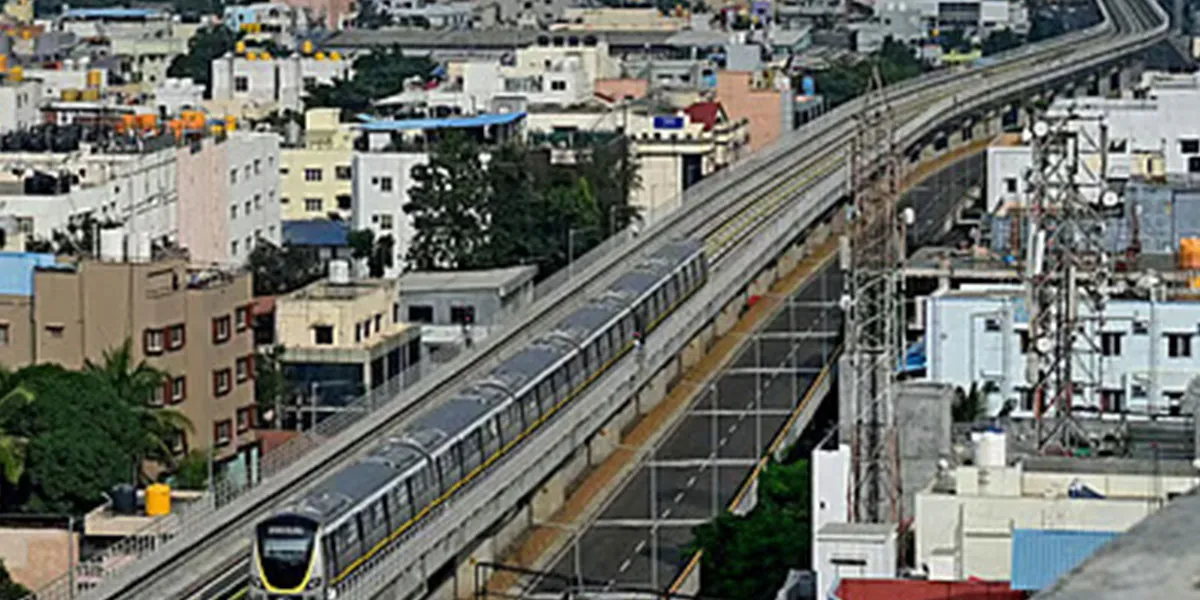
Two upcoming Namma Metro stations under Phase 3 will rise taller than the Jayadeva Hospital station, currently India’s tallest metro station, according to Bangalore Metro Rail Corporation Ltd (BMRCL). The Goraguntepalya and Mysuru Road stations will have rail levels of 33 metres and 32 metres respectively, exceeding Jayadeva Hospital’s rail height of over 29 metres.

Jayadeva Hospital, an interchange station on the Yellow and Pink lines, stands around 38 metres tall at roof level and has so far held the distinction of being the tallest metro station in the country. Under Phase 3, both Goraguntepalya and Mysuru Road are set to surpass it in rail-level height, marking a new milestone for Bengaluru’s expanding metro network.

Phase 3 of Namma Metro comprises two corridors. The Orange Line, stretching 32.3 kilometres, will connect JP Nagar 4th Phase to Kempapura via the Outer Ring Road, while the Silver Line, spanning 12.15 kilometres, will link Hosahalli to Kadabagere along Magadi Road. Together, the corridors will include 37.151 kilometres of double-decker structures, with the metro line running above the flyover.

Like Jayadeva Hospital, the Mysuru Road station will have six levels, but its rail level will be more than two metres higher. A senior BMRCL official confirmed that both Goraguntepalya and Mysuru Road stations will exceed Jayadeva Hospital in height, underscoring the engineering complexity of the Phase 3 project.

The original detailed project report had proposed a Green–Orange Line interchange at Peenya, requiring the alignment to turn after the Kanteerava Studio flyover and pass through Raja Industrial Estate. However, this would have necessitated structures as tall as 46.5 metres to accommodate the double-decker design due to a steep gradient. To address this, BMRCL shifted the station to Goraguntepalya, shortening the alignment by 200 metres, reducing costs by Rs 6.69 billion, and cutting the number of portal beams from 61 to 14.

Other key stations under Phase 3 include Sumanahalli Cross, a common station for the Orange and Silver lines, with a rail level of 26 metres and vertically stacked platforms. The JP Nagar interchange station will have a rail level of 22 metres and will connect the Green and Orange lines through a foot overbridge, while the Pink and Orange lines at JP Nagar 4th Phase will share a common concourse.

At Sunkadakatte on the Silver Line, the flyover will run above the metro line, while Kempapura will feature a common station for the Orange and Blue lines. BMRCL is expected to float civil works tenders for Phase 3 shortly, with the project targeted for completion by 2031.

Two upcoming Namma Metro stations under Phase 3 will rise taller than the Jayadeva Hospital station, currently India’s tallest metro station, according to Bangalore Metro Rail Corporation Ltd (BMRCL). The Goraguntepalya and Mysuru Road stations will have rail levels of 33 metres and 32 metres respectively, exceeding Jayadeva Hospital’s rail height of over 29 metres. Jayadeva Hospital, an interchange station on the Yellow and Pink lines, stands around 38 metres tall at roof level and has so far held the distinction of being the tallest metro station in the country. Under Phase 3, both Goraguntepalya and Mysuru Road are set to surpass it in rail-level height, marking a new milestone for Bengaluru’s expanding metro network. Phase 3 of Namma Metro comprises two corridors. The Orange Line, stretching 32.3 kilometres, will connect JP Nagar 4th Phase to Kempapura via the Outer Ring Road, while the Silver Line, spanning 12.15 kilometres, will link Hosahalli to Kadabagere along Magadi Road. Together, the corridors will include 37.151 kilometres of double-decker structures, with the metro line running above the flyover. Like Jayadeva Hospital, the Mysuru Road station will have six levels, but its rail level will be more than two metres higher. A senior BMRCL official confirmed that both Goraguntepalya and Mysuru Road stations will exceed Jayadeva Hospital in height, underscoring the engineering complexity of the Phase 3 project. The original detailed project report had proposed a Green–Orange Line interchange at Peenya, requiring the alignment to turn after the Kanteerava Studio flyover and pass through Raja Industrial Estate. However, this would have necessitated structures as tall as 46.5 metres to accommodate the double-decker design due to a steep gradient. To address this, BMRCL shifted the station to Goraguntepalya, shortening the alignment by 200 metres, reducing costs by Rs 6.69 billion, and cutting the number of portal beams from 61 to 14. Other key stations under Phase 3 include Sumanahalli Cross, a common station for the Orange and Silver lines, with a rail level of 26 metres and vertically stacked platforms. The JP Nagar interchange station will have a rail level of 22 metres and will connect the Green and Orange lines through a foot overbridge, while the Pink and Orange lines at JP Nagar 4th Phase will share a common concourse. At Sunkadakatte on the Silver Line, the flyover will run above the metro line, while Kempapura will feature a common station for the Orange and Blue lines. BMRCL is expected to float civil works tenders for Phase 3 shortly, with the project targeted for completion by 2031.

Next Story
Infrastructure Urban

Powerplay Rolls Out Procurement-Linked Credit for Contractors

Powerplay has announced the launch of Powerplay Credit, a project-linked working capital solution aimed at easing cash flow pressures faced by contractors during active construction execution. The solution has gone live across key markets in South India, with a wider national rollout planned for 2026.The launch comes amid rising activity in India’s construction sector across infrastructure, housing, industrial corridors, renewable energy and urban redevelopment. Contractors executing large corporate and government projects often face extended payment cycles, stage-based billing and delayed r..

Next Story
Infrastructure Urban

Jyoti Structures Commissions Galvanisation at Second Nashik Unit

Jyoti Structures has commissioned galvanisation operations at its second tower manufacturing unit in Nashik, strengthening its in-house capabilities across critical stages of power transmission infrastructure production. The listed Engineering, Procurement and Construction (EPC) company operates globally and has delivered projects for customers across more than 50 countries.The second Nashik unit, with an annual manufacturing capacity of 36,000 metric tonnes, has become operational following the completion of installation, testing and readiness of the new galvanising facilities. With this deve..

Next Story
Infrastructure Energy

Rosatom Connects First Kursk NPP-2 Unit to National Grid

Rosatom has launched the first power unit of the Kursk Nuclear Power Plant-2 (Kursk NPP-2) into Russia’s Unified Energy System, marking a key milestone in the country’s nuclear energy programme. The initial grid connection took place at the end of the year, bringing a new source of low-carbon electricity online for the Kursk region and the broader Central Energy System.The newly commissioned unit is the first implementation of the VVER-TOI reactor design, which incorporates advanced safety and performance features. With an installed capacity of 1,250 MW, it is the most powerful nuclear pow..

Advertisement

Subscribe to Our Newsletter

Get daily newsletters around different themes from Construction world.

STAY CONNECTED

Advertisement

Advertisement

Advertisement

Advertisement

Open In App