+
Pune Metro Line Nears Completion With 13 Stations Ready
RAILWAYS & METRO RAIL

Pune Metro Line Nears Completion With 13 Stations Ready

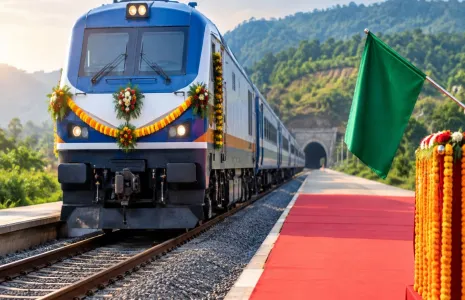
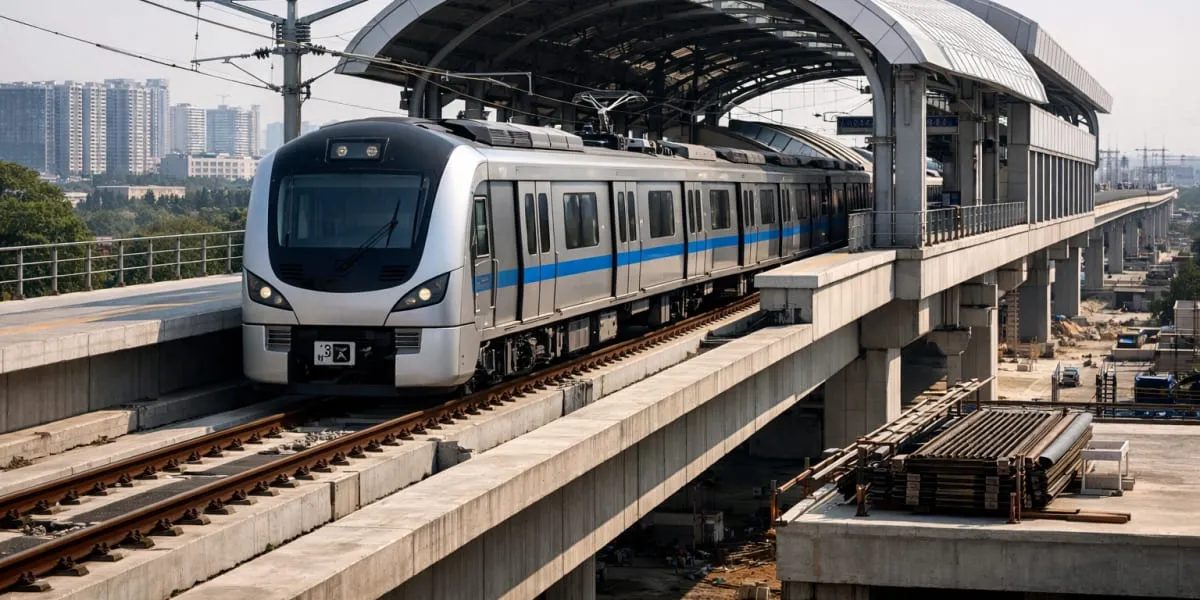
The Hinjewadi-Shivajinagar metro line in Pune is approaching completion, with 94 per cent of the 23-kilometre route reported finished and 13 stations declared fully ready for passenger travel. Construction work at between 15 and 17 stations is said to be more than 90 per cent complete, reducing the scope of remaining civil and systems works. The project is being delivered in collaboration with Pune IT City Metro Rail Limited and overseen by the Pune Metropolitan Region Development Authority (PMRDA).

Trial runs are currently underway across the entire corridor as authorities conduct exhaustive technical and operational checks to certify safety and reliability before opening to the public. Officials have set an internal target to complete outstanding works by April 2026, while making final approvals conditional on receipt of a clearance letter from the concessionaire. Once that approval arrives, authorities will determine whether to launch services along the full line immediately or to introduce operations in phases by opening selected stations first.

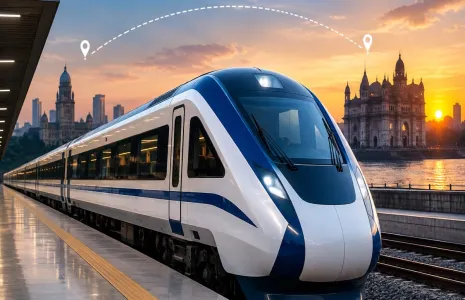
When operational, the line is expected to provide a direct rapid transit link between Hinjewadi and Shivajinagar, significantly shortening commute times for IT employees and other daily travellers and offering a more sustainable alternative to road transport. Integration at Shivajinagar with the existing Pune Metro network will allow seamless transfers and expand the reach of rail services across the city. The service is being positioned as a lifeline that will help ease congestion and support wider urban mobility objectives.

Authorities have emphasised that comprehensive safety and systems inspections will be completed prior to revenue operations, with a focus on signalling, power, track works and station systems. The completion of the line is expected to mark a major step in Pune’s urban transport infrastructure, delivering capacity and speed improvements for thousands of passengers each day while reducing environmental impacts associated with private vehicles. Officials will continue to publish updates as tests conclude and formal approvals are received.

The Hinjewadi-Shivajinagar metro line in Pune is approaching completion, with 94 per cent of the 23-kilometre route reported finished and 13 stations declared fully ready for passenger travel. Construction work at between 15 and 17 stations is said to be more than 90 per cent complete, reducing the scope of remaining civil and systems works. The project is being delivered in collaboration with Pune IT City Metro Rail Limited and overseen by the Pune Metropolitan Region Development Authority (PMRDA). Trial runs are currently underway across the entire corridor as authorities conduct exhaustive technical and operational checks to certify safety and reliability before opening to the public. Officials have set an internal target to complete outstanding works by April 2026, while making final approvals conditional on receipt of a clearance letter from the concessionaire. Once that approval arrives, authorities will determine whether to launch services along the full line immediately or to introduce operations in phases by opening selected stations first. When operational, the line is expected to provide a direct rapid transit link between Hinjewadi and Shivajinagar, significantly shortening commute times for IT employees and other daily travellers and offering a more sustainable alternative to road transport. Integration at Shivajinagar with the existing Pune Metro network will allow seamless transfers and expand the reach of rail services across the city. The service is being positioned as a lifeline that will help ease congestion and support wider urban mobility objectives. Authorities have emphasised that comprehensive safety and systems inspections will be completed prior to revenue operations, with a focus on signalling, power, track works and station systems. The completion of the line is expected to mark a major step in Pune’s urban transport infrastructure, delivering capacity and speed improvements for thousands of passengers each day while reducing environmental impacts associated with private vehicles. Officials will continue to publish updates as tests conclude and formal approvals are received.

Next Story
Infrastructure Urban

Implementation Status of Jal Jeevan Mission

Since August 2019 the Government has implemented Jal Jeevan Mission to provide assured potable water through household tap connections in rural India. At the start of the mission only 32.3 million (mn) rural households, representing 16.7 per cent, were reported to have tap water connections. States and union territories have reported that 125.8 mn additional rural households have since been provided with tap connections. As a result, of about 193.6 mn rural households roughly 158.2 mn, or 81.71 per cent, are reported to have tap water supply at home.\n\nThe State, district and village level st..

Next Story
Infrastructure Urban

Jal Jeevan Mission Reaches Eighty One Per Cent Rural Coverage

The Government reported substantial progress under the Jal Jeevan Mission, launched in August 2019 to provide tap water to every rural household. At launch only 32.3 million (mn) rural households had tap connections and states and Union territories reported provision of 125.8 mn additional households by March 2026. Consequently, out of about 193.6 mn rural households around 158.2 mn, or 81.71 per cent, are reported to have tap water at home. The Finance Minister announced extension of the mission until 2028 in the 2025-26 budget speech. The Swachh Bharat Mission Grameen, launched in October 20..

Next Story
Infrastructure Urban

Empowering Local Governance for Sustainable Rural Water Supply

The Ministry of Jal Shakti has aligned the Jal Jeevan Mission (JJM) with the 73rd Amendment to strengthen village level planning and community ownership of water supply. Gram Panchayats, village water and sanitation committees and Pani Samitis are to plan, implement, manage and maintain piped water systems, with gram sabha processes formalising handover and oversight. Implementation support agencies including non government organisations, community based organisations and self help groups have been empanelled to train local committees and promote women participation. Under JJM, the department ..

Advertisement

Subscribe to Our Newsletter

Get daily newsletters around different themes from Construction world.

STAY CONNECTED

Advertisement

Advertisement

Advertisement