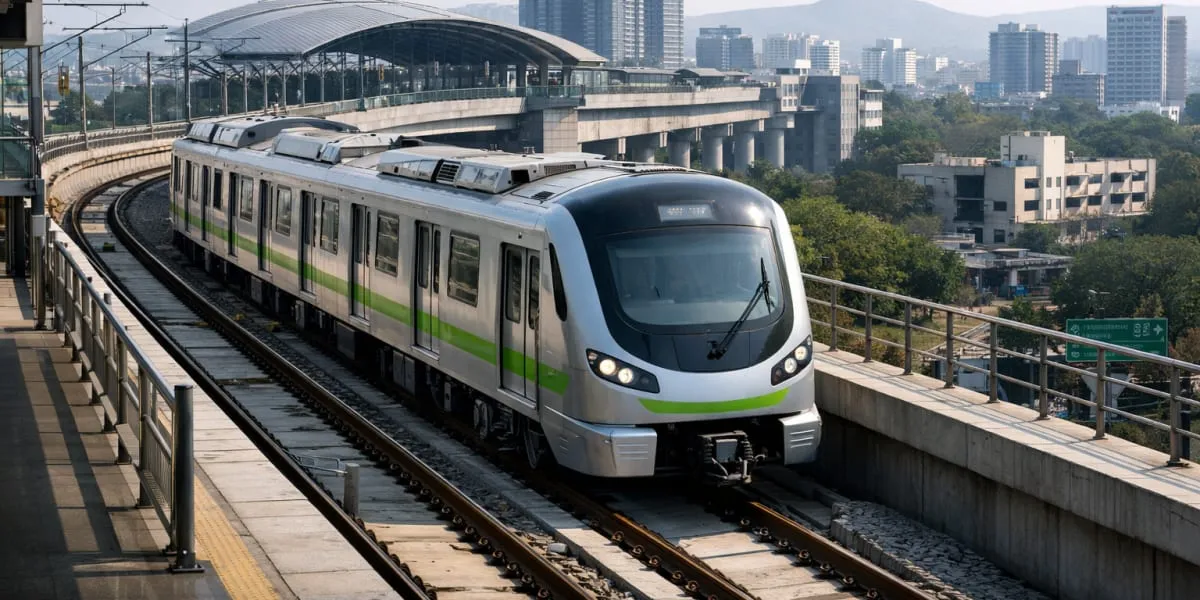
Pune Metro Line Three Nears Launch With 12 Stations in June
RAILWAYS & METRO RAIL

Pune Metro Line Three Nears Launch With 12 Stations in June

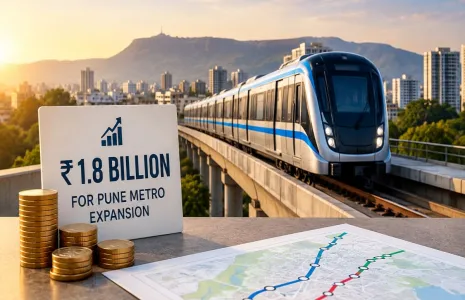
The first phase of the Maan–Hinjewadi to Shivajinagar stretch of Pune Metro Line 3, comprising 12 stations, is expected to become operational by June after a recent review by the Pune Metropolitan Region Development Authority. The authority is aiming to complete the required works by the end of May under the supervision of its newly appointed commissioner, Abhijit Chaudhari. The review identified remaining tasks and set firm timelines for completion of station works and associated passenger access. Officials have emphasised adherence to safety and quality standards as the project moves towards commissioning.

While 12 stations are anticipated to be ready by the end of May, work on the remaining 11 stations is progressing in parallel and the full 23.2-km elevated corridor is likely to be operational by September. Progress has been hindered at some locations by delays in completing entry and exit points together with passenger access infrastructure. The authority has prioritised completion of these elements to enable safe and efficient passenger movement.

PMRDA has directed the concessionaire, Tata Group, to accelerate construction and to align resources to meet the schedule. The Line 3 project, which will improve connectivity to Hinjewadi IT Park, is in its final stages with about 94.2 per cent of the overall work completed. Signalling trials are currently under way alongside inspections of systems and facilities to ensure operational readiness. Contractors have been instructed to expedite remaining civil and electromechanical works without compromising inspection protocols.

Officials indicated priority is being given to station access, passenger facilities and operational systems ahead of the planned June rollout and contingency measures are being reviewed to mitigate weather related risks. The line is expected to ease traffic congestion on the Hinjewadi–Shivajinagar corridor and significantly reduce commute times for thousands of IT professionals who currently face lengthy journeys. Some commuters remain sceptical about the June launch and have pointed to the approaching monsoon and pending work as potential causes for delay. The authority has signalled continued monitoring and a mission mode approach to fast track execution in line with state direction.

The first phase of the Maan–Hinjewadi to Shivajinagar stretch of Pune Metro Line 3, comprising 12 stations, is expected to become operational by June after a recent review by the Pune Metropolitan Region Development Authority. The authority is aiming to complete the required works by the end of May under the supervision of its newly appointed commissioner, Abhijit Chaudhari. The review identified remaining tasks and set firm timelines for completion of station works and associated passenger access. Officials have emphasised adherence to safety and quality standards as the project moves towards commissioning. While 12 stations are anticipated to be ready by the end of May, work on the remaining 11 stations is progressing in parallel and the full 23.2-km elevated corridor is likely to be operational by September. Progress has been hindered at some locations by delays in completing entry and exit points together with passenger access infrastructure. The authority has prioritised completion of these elements to enable safe and efficient passenger movement. PMRDA has directed the concessionaire, Tata Group, to accelerate construction and to align resources to meet the schedule. The Line 3 project, which will improve connectivity to Hinjewadi IT Park, is in its final stages with about 94.2 per cent of the overall work completed. Signalling trials are currently under way alongside inspections of systems and facilities to ensure operational readiness. Contractors have been instructed to expedite remaining civil and electromechanical works without compromising inspection protocols. Officials indicated priority is being given to station access, passenger facilities and operational systems ahead of the planned June rollout and contingency measures are being reviewed to mitigate weather related risks. The line is expected to ease traffic congestion on the Hinjewadi–Shivajinagar corridor and significantly reduce commute times for thousands of IT professionals who currently face lengthy journeys. Some commuters remain sceptical about the June launch and have pointed to the approaching monsoon and pending work as potential causes for delay. The authority has signalled continued monitoring and a mission mode approach to fast track execution in line with state direction.

Next Story
Infrastructure Transport

AFCONS & Navayuga set world records with Missing Link Expressway

Maharashtra’s most ambitious greenfield bypass — a 13.3-km alignment carrying twin record-setting tunnels and India’s tallest cable-stayed road bridge — was thrown open to traffic on Maharashtra Day, finally completing the Mumbai–Pune Expressway after a 23-year wait. CW reports…The 650-m cable-stayed bridge over Tiger Valley at sunset — the package executed by Afcons Infrastructure Ltd carries 182-m pylons, the tallest on any Indian road bridge.On 1 May 2026, Chief Minister Devendra Fadnavis, flanked by Deputy Chief Ministers Eknath Shinde and Sunetra Pawar (representing the late..

Next Story
Infrastructure Transport

Mumbai–Pune Missing Link boosts realty prospects

The recently opened ‘missing link’ on the Mumbai–Pune Expressway is set to significantly transform connectivity between the two cities by reducing travel time and bypassing the challenging ghat section. The new alignment, featuring tunnels and viaducts, is designed to improve safety, ease congestion and ensure a smoother, faster commute for both passenger and commercial traffic.With improved travel efficiency, the corridor is expected to strengthen intercity movement, encouraging more frequent travel for work, leisure and logistics. This enhanced accessibility is likely to benefit real e..

Next Story
Infrastructure Urban

How Hormuz is Hijacking Indian Highways

At the recently held RAHSTA Round Table on 29th April in Pune, and earlier during our webinars for Cement Expo by Indian Cement Review and by FIRST Construction Council on manufacturing construction equipment for the world, one thread lay common: the industry is being subjected to a cost-push chain reaction moving from crude oil → freight/insurance → steel, cement fuel, bitumen, polymers, packaging, logistics and finally project margins. Indeed, the West Asia crisis caused by the war and the Hormuz Strait blockade, which does not directly concern us, has turned around and hit us. If the wa..

Advertisement

Subscribe to Our Newsletter

Get daily newsletters around different themes from Construction world.

STAY CONNECTED

Advertisement

Advertisement

Advertisement