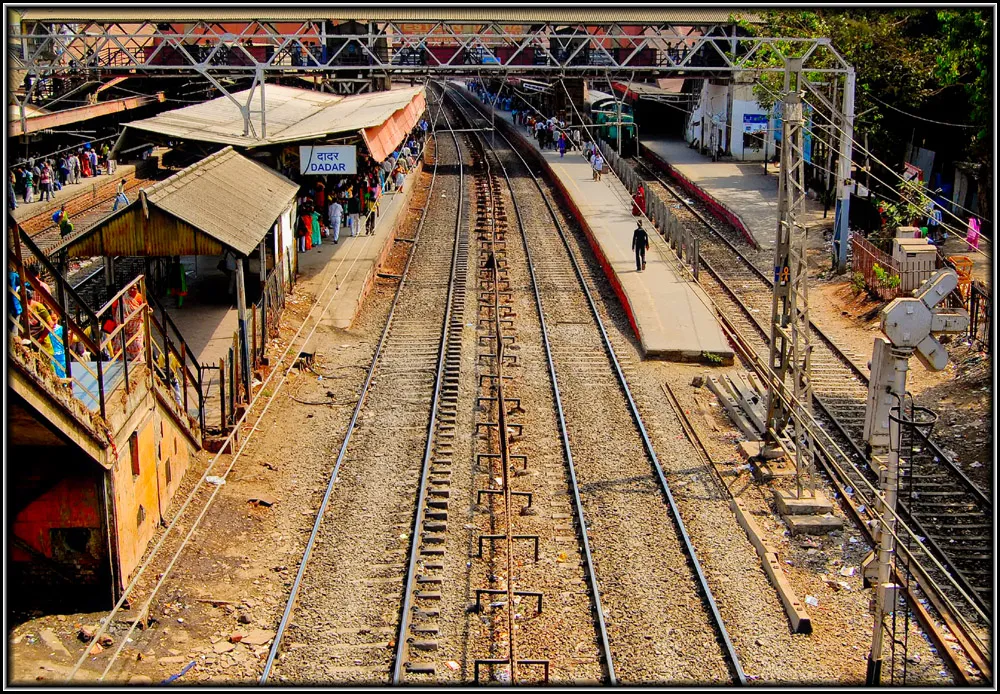
Western Railway Plans Rs 700 Mn Upgrade to Turn Dadar into Midtown Terminus
RAILWAYS & METRO RAIL

Western Railway Plans Rs 700 Mn Upgrade to Turn Dadar into Midtown Terminus


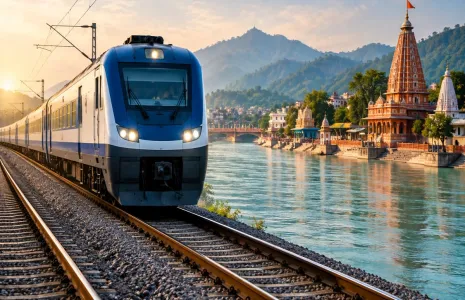
Western Railway has proposed a Rs 700 million capacity-augmentation plan to transform Dadar into a larger midtown railway terminus, a move aimed at accommodating more express services and reducing congestion at Mumbai Central. The project marks the most extensive remodelling of Dadar station in several decades.

According to railway officials, the proposal includes the addition of new rail lines, extension of platforms, comprehensive yard remodelling, and major upgrades to overhead equipment (OHE) and signalling systems. The redevelopment is designed to integrate Dadar station with the upcoming fifth and sixth lines, which are intended to segregate long-distance mail and express trains from suburban services.

At present, Dadar functions as a terminal for a limited number of platform-return express trains—services that arrive and depart from the same platform. The station currently has only two terminal lines, from which nine such platform-return trains are operated daily.

However, railway planners warned that the existing infrastructure is approaching saturation. With the sixth line project set to absorb one of the two terminal tracks, the remaining capacity will be insufficient to handle planned traffic growth. Western Railway is considering the introduction of at least eight additional platform-return express services in the coming years.

“With more platform-return services in the pipeline, the current layout would soon become unmanageable,” a senior Western Railway official said. “The proposed new Line No. 8 is critical to sustaining future operations and ensuring smoother handling of express traffic.”

Once implemented, the expansion is expected to significantly enhance Dadar’s role as a midtown terminus, improve operational flexibility, and help decongest Mumbai’s busy long-distance rail hubs.

News source: Mid-Day

Western Railway has proposed a Rs 700 million capacity-augmentation plan to transform Dadar into a larger midtown railway terminus, a move aimed at accommodating more express services and reducing congestion at Mumbai Central. The project marks the most extensive remodelling of Dadar station in several decades.According to railway officials, the proposal includes the addition of new rail lines, extension of platforms, comprehensive yard remodelling, and major upgrades to overhead equipment (OHE) and signalling systems. The redevelopment is designed to integrate Dadar station with the upcoming fifth and sixth lines, which are intended to segregate long-distance mail and express trains from suburban services.At present, Dadar functions as a terminal for a limited number of platform-return express trains—services that arrive and depart from the same platform. The station currently has only two terminal lines, from which nine such platform-return trains are operated daily.However, railway planners warned that the existing infrastructure is approaching saturation. With the sixth line project set to absorb one of the two terminal tracks, the remaining capacity will be insufficient to handle planned traffic growth. Western Railway is considering the introduction of at least eight additional platform-return express services in the coming years.“With more platform-return services in the pipeline, the current layout would soon become unmanageable,” a senior Western Railway official said. “The proposed new Line No. 8 is critical to sustaining future operations and ensuring smoother handling of express traffic.”Once implemented, the expansion is expected to significantly enhance Dadar’s role as a midtown terminus, improve operational flexibility, and help decongest Mumbai’s busy long-distance rail hubs.News source: Mid-Day

Next Story
Infrastructure Transport

MMRDA advances 250 m on Orange Gate–Marine Drive tunnel

The Mumbai Metropolitan Region Development Authority (MMRDA) has completed 250 m of underground tunnelling for the Orange Gate–Marine Drive Urban Road Tunnel using India’s largest slurry shield tunnel boring machine (TBM) deployed for an urban road project.The project involves twin tunnels extending over 7 km beneath critical transport corridors, including Central Railway, Western Railway and Metro Line 3. The work requires high-precision engineering to navigate densely developed urban infrastructure.Once completed, the tunnel is expected to reduce travel time between Orange Gate and Marin..

Next Story
Infrastructure Urban

Hindustan Zinc Pays Rs 188.46 Billion in FY26

Hindustan Zinc contributed Rs 188.46 billion to the public exchequer in FY 2025-26, according to its 9th Tax Transparency Report. The contribution, equivalent to 46 per cent of the company’s revenue, included direct and indirect taxes, government royalties, dividends to the Government of India, withholding taxes and other statutory levies.The company’s five-year cumulative contribution to the exchequer stood at Rs 915.72 billion. In FY26, Hindustan Zinc reported revenue of Rs 408.44 billion, EBITDA of Rs 221.62 billion and profit after tax of Rs 138.32 billion. It also achieved its highest..

Next Story
Infrastructure Urban

World of Concrete India 2026 Opens in Mumbai

Informa Markets in India will host the 12th edition of World of Concrete India 2026 from 3–5 June 2026 at the Bombay Exhibition Centre, Mumbai. The specialised B2B exhibition will bring together manufacturers, suppliers, contractors, developers, architects, consultants, infrastructure companies, project leaders and government stakeholders.The event is expected to feature over 350 brands and more than 18,000 trade professionals. It will cover concrete and cement, dry mortar, precast technologies, formwork, construction chemicals, industrial and commercial flooring, scaffolding, safety solutio..

Advertisement

Subscribe to Our Newsletter

Get daily newsletters around different themes from Construction world.

STAY CONNECTED

Advertisement

Advertisement

Advertisement