CBL International Enables First LNG Bunkering at Xiaomo Port
PORTS & SHIPPING

CBL International Enables First LNG Bunkering at Xiaomo Port

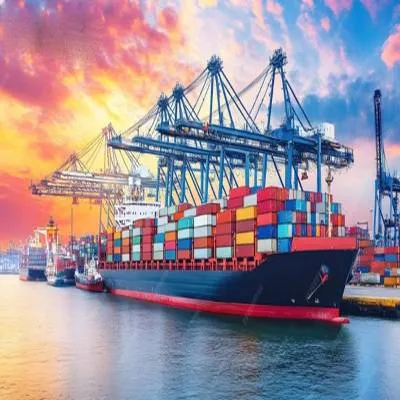
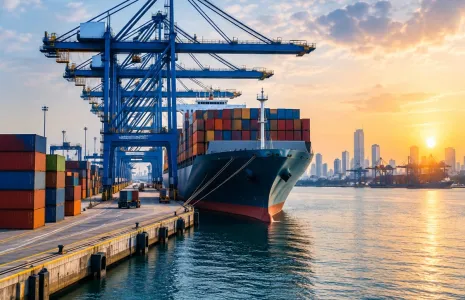
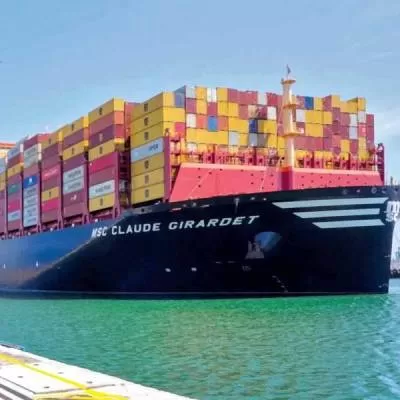
CBL International recently completed the first-ever LNG bunkering operation at Xiaomo Port, supplying liquefied natural gas to vessels operated by BYD in support of its maritime decarbonisation strategy. The operation was facilitated through a physical supplier in collaboration with China National Offshore Oil Corporation (CNOOC), which supported the port’s inaugural LNG bunkering activity.

The milestone represents a strategic expansion of CBL International's sustainable fuel offerings beyond biofuels, while also diversifying revenue streams. As global shipping intensifies efforts to cut emissions, LNG is increasingly viewed as a mainstream marine clean energy solution, capable of reducing greenhouse gas emissions by around 20 per cent, virtually eliminating sulphur oxides and particulate matter, and lowering fuel costs by an estimated 25–30 per cent.

The development aligns with evolving regulatory frameworks such as FuelEU Maritime and the International Maritime Organization’s 2030 and 2050 decarbonisation targets. By enabling LNG bunkering at Xiaomo Port, CBL International Limited is strengthening its role in facilitating cleaner energy transitions across the maritime sector.

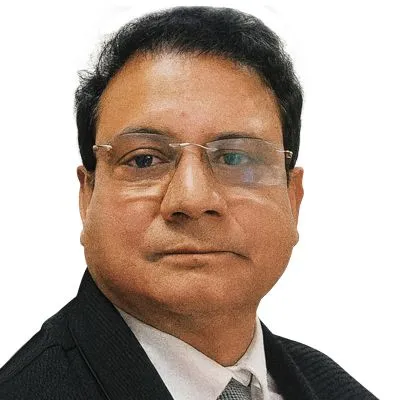
Dr Teck Lim Chia, Chairman and Chief Executive Officer of CBL International, said the initiative marks “a strategic step in our journey to become a comprehensive marine energy services partner”, while acknowledging the collaboration with BYD and CNOOC.

CBL International, the listed entity of Banle Group, serves nine of the world’s top twelve container liner companies and operates across 65 major ports globally, reinforcing its position as a specialised partner in complex marine fuel logistics.

CBL International recently completed the first-ever LNG bunkering operation at Xiaomo Port, supplying liquefied natural gas to vessels operated by BYD in support of its maritime decarbonisation strategy. The operation was facilitated through a physical supplier in collaboration with China National Offshore Oil Corporation (CNOOC), which supported the port’s inaugural LNG bunkering activity. The milestone represents a strategic expansion of CBL International's sustainable fuel offerings beyond biofuels, while also diversifying revenue streams. As global shipping intensifies efforts to cut emissions, LNG is increasingly viewed as a mainstream marine clean energy solution, capable of reducing greenhouse gas emissions by around 20 per cent, virtually eliminating sulphur oxides and particulate matter, and lowering fuel costs by an estimated 25–30 per cent. The development aligns with evolving regulatory frameworks such as FuelEU Maritime and the International Maritime Organization’s 2030 and 2050 decarbonisation targets. By enabling LNG bunkering at Xiaomo Port, CBL International Limited is strengthening its role in facilitating cleaner energy transitions across the maritime sector. Dr Teck Lim Chia, Chairman and Chief Executive Officer of CBL International, said the initiative marks “a strategic step in our journey to become a comprehensive marine energy services partner”, while acknowledging the collaboration with BYD and CNOOC. CBL International, the listed entity of Banle Group, serves nine of the world’s top twelve container liner companies and operates across 65 major ports globally, reinforcing its position as a specialised partner in complex marine fuel logistics.

Next Story
Real Estate

A Paradigm Shift

The Indian real-estate and construction sector, which employs a significant number of organised and unorganised workers in the country, has embarked on a paradigm shift in its regulatory framework from an employment law perspective. With the four Labour Codes – the Code on Wages, 2019 (Wage Code); the Industrial Relations Code, 2020 (IR Code); the Code on Social Security, 2020 (SS Code) and the Occupational Safety, Health and Working Conditions Code, 2020 (OSH Code) – coming into effect in India from November 21, 2025, the industry is shifting away from a fragmented, contractor- driven com..

Next Story
Technology

We offer end-to-end traceability at scale

mjunction has evolved from an e-auction pioneer into a multi-vertical digital commerce platform with deep expertise in complex steel and coal supply chains. Its end-to-end, AI-led architecture focuses on price discovery, traceability, compliance and scalability, enabling transparent procurement, efficient logistics and data-driven decision-making across geographies. Vinaya Varma, MD, shares more about the company in conversation with CW.From a technology standpoint, what are the core USPs of mjunction today that differentiate it in steel and coal supply chains?mjunction has evolved b..

Next Story
Infrastructure Urban

Henkel, Rotary Recycle PoP Ganesha Idols Under Project HARMONY

Henkel India, in partnership with the Rotary Club of Navi Mumbai – Joy of Giving and with support from the Navi Mumbai Municipal Corporation (NMMC), has advanced circular sustainability through Project HARMONY by recycling Plaster of Paris (PoP) Ganesha idols into community learning assets. The initiative highlights an integrated approach to environmental restoration and social impact.As part of the project, materials collected after Ganesh Visarjan 2025 at Nerul were responsibly diverted from land and water bodies and processed at an authorised recycling facility, with on-ground execution s..

Advertisement

Subscribe to Our Newsletter

Get daily newsletters around different themes from Construction world.

STAY CONNECTED

Advertisement

Advertisement

Advertisement

Advertisement

Open In App