

+
Great Nicobar Port Phase One To Begin By 2028
PORTS & SHIPPING

Great Nicobar Port Phase One To Begin By 2028

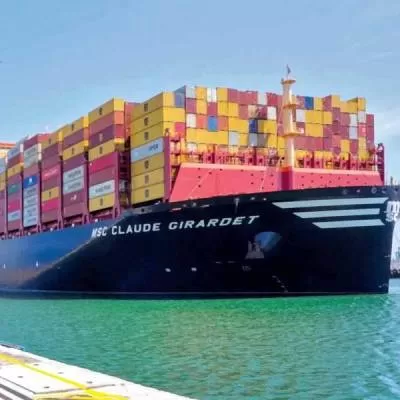
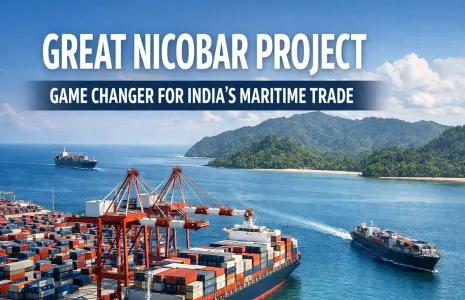
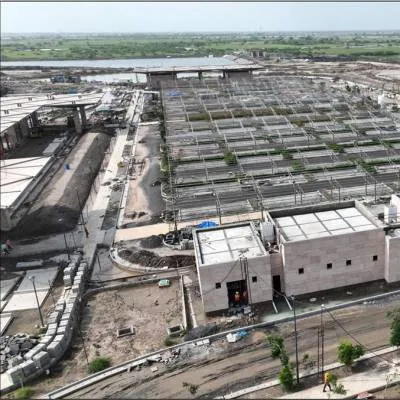
The central government will proceed with the Galathea Bay International Container Transshipment Terminal project and plans to commence Phase one by 2028, Shipping Minister Sarbananda Sonowal said. The project has been cleared at an estimated cost of Rs 488.62 billion (bn) and will require viability gap funding of Rs 122.30 bn. It is awaiting Cabinet approval after clearance by the finance ministry’s PPPAC.

The Congress has campaigned against the project on environmental and tribal grounds, with party leader Jairam Ramesh seeking clarifications on the proposed ownership structure and Leader of Opposition in Lok Sabha Rahul Gandhi alleging that coral maps were redrawn and consultative processes were bypassed. Opposition criticism has focused on protection of rainforests, coral reefs and tribal rights, intensifying public scrutiny of approvals. The dispute has underscored tensions between infrastructure ambitions and conservation obligations.

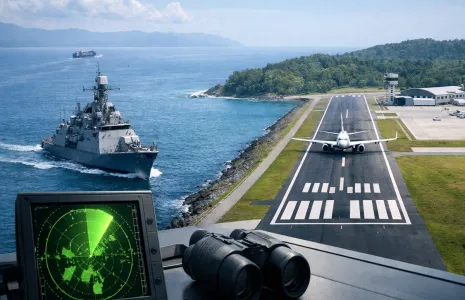
Sonowal said he had consulted local communities and that many island residents welcomed development, including an international airport, the port and a township, to improve economic opportunities. He conveyed that the environment ministry had examined the proposals and cleared the project after considering concerns, and that measures would protect leatherback turtle breeding zones and sensitive coral areas. The government plans to carry out compensatory afforestation in Haryana because local afforestation is not feasible.

Officials estimate the project will divert one point eight two per cent of the total forest cover of the Andaman and Nicobar Islands. The islands contain around one point eight six million (mn) trees and the maximum number expected to be felled is 711,000 within 49.86 square kilometres of forest, according to government figures. Since the archipelago already has over 75 per cent forest cover, local compensatory planting is not proposed.

The port will be developed as a joint venture, with 55 per cent held by an Indian-controlled entity and 45 per cent by select central government ports, with developer chosen on lowest VGF. The government says the scheme will establish an Indian presence near the Strait of Malacca, where around three quarters of India’s transshipment cargo is routed.

The central government will proceed with the Galathea Bay International Container Transshipment Terminal project and plans to commence Phase one by 2028, Shipping Minister Sarbananda Sonowal said. The project has been cleared at an estimated cost of Rs 488.62 billion (bn) and will require viability gap funding of Rs 122.30 bn. It is awaiting Cabinet approval after clearance by the finance ministry’s PPPAC. The Congress has campaigned against the project on environmental and tribal grounds, with party leader Jairam Ramesh seeking clarifications on the proposed ownership structure and Leader of Opposition in Lok Sabha Rahul Gandhi alleging that coral maps were redrawn and consultative processes were bypassed. Opposition criticism has focused on protection of rainforests, coral reefs and tribal rights, intensifying public scrutiny of approvals. The dispute has underscored tensions between infrastructure ambitions and conservation obligations. Sonowal said he had consulted local communities and that many island residents welcomed development, including an international airport, the port and a township, to improve economic opportunities. He conveyed that the environment ministry had examined the proposals and cleared the project after considering concerns, and that measures would protect leatherback turtle breeding zones and sensitive coral areas. The government plans to carry out compensatory afforestation in Haryana because local afforestation is not feasible. Officials estimate the project will divert one point eight two per cent of the total forest cover of the Andaman and Nicobar Islands. The islands contain around one point eight six million (mn) trees and the maximum number expected to be felled is 711,000 within 49.86 square kilometres of forest, according to government figures. Since the archipelago already has over 75 per cent forest cover, local compensatory planting is not proposed. The port will be developed as a joint venture, with 55 per cent held by an Indian-controlled entity and 45 per cent by select central government ports, with developer chosen on lowest VGF. The government says the scheme will establish an Indian presence near the Strait of Malacca, where around three quarters of India’s transshipment cargo is routed.

Related Stories

Gold Stories
Next Story
Infrastructure Urban

KONE Opens India's First Digital Experience Centre in Pune

KONE, a global elevator and escalator manufacturer, has inaugurated its first Digital Experience Centre (DEC) in India, located in Pune. The facility aims to showcase how artificial intelligence (AI), connectivity and data-driven technologies can enhance customer experiences and improve building operations.The centre was inaugurated by Jussi Herlin, Executive Vice Chair, KONE Corporation; Philippe Delorme, President and CEO, KONE; and Nandan Nilekani, Co-founder and Chairman of the Board, Infosys.Designed as an interactive customer environment, the facility demonstrates digital solutions cover..

Next Story
Infrastructure Urban

CII GreenCo Launches Circularity Guidelines for Indian Industry

The Confederation of Indian Industry (CII) GreenCo Council has launched the CII GreenCo Circularity Guidelines – Pilot Version at the 17th CII GreenCo Waste & Resource Management Summit 2026 in Chennai. The initiative aims to strengthen resource efficiency, waste reduction and circular economy practices across Indian manufacturing and process industries.The guidelines introduce a structured framework with circularity indices covering raw materials, consumables, packaging and other resource inputs. These indicators will help industries assess existing practices, identify opportunities to ..

Next Story
Infrastructure Energy

Global Electronics Association Launches IPC-1783-CO2E Standard

The Global Electronics Association has introduced IPC-1783-CO2E, a new international standard aimed at improving consistency, transparency and comparability in product carbon footprint reporting across the electronics manufacturing industry.The standard, titled International Standard for Data Collection and Reporting of CO2 Equivalent (CO2e) Emissions for the Electronics Manufacturing Supply Chain, provides industry-specific guidance for collecting, estimating and reporting carbon emissions data.With increasing regulatory requirements and customer expectations, electronics manufacturers face c..

Advertisement

Subscribe to Our Newsletter

Get daily newsletters around different themes from Construction world.

STAY CONNECTED

Advertisement

SPECIAL OFFER
QR Code