India Eyes Nuclear Power In Andaman Islands
POWER & RENEWABLE ENERGY

India Eyes Nuclear Power In Andaman Islands

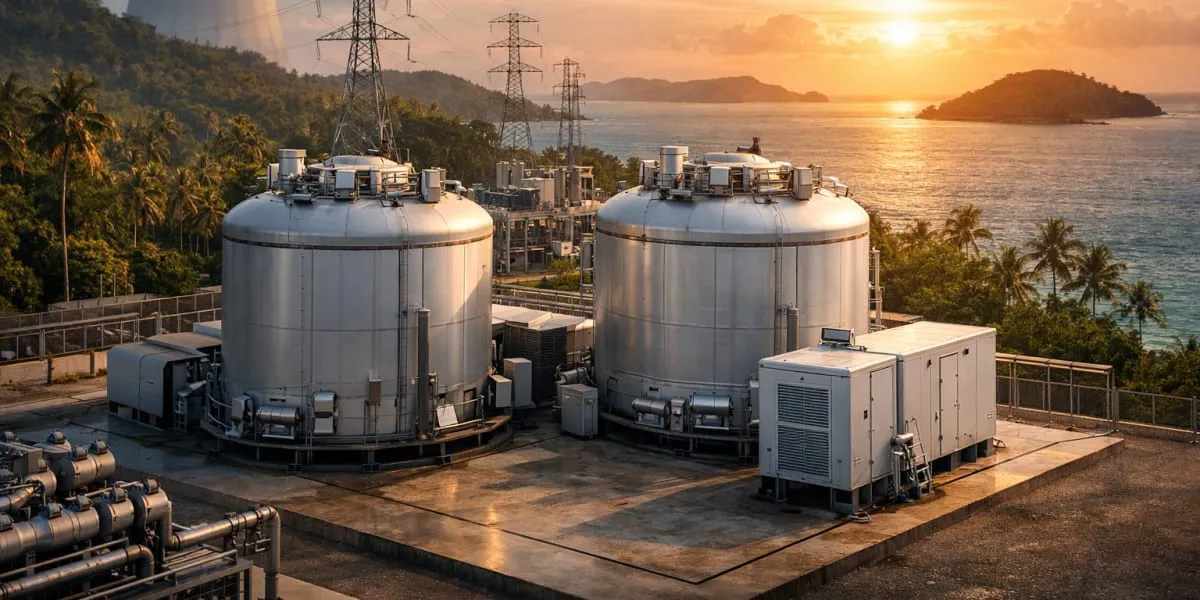
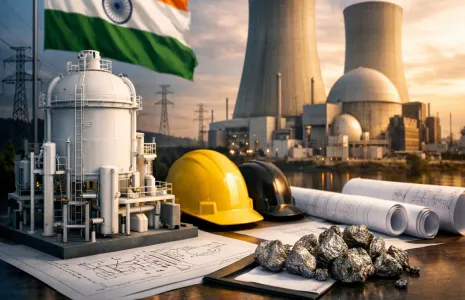
Small Modular Reactors (SMRs) are nuclear reactors designed with smaller power output and modular construction for use where large conventional plants are difficult to establish. India has connected SMR development with remote power supply, strategic infrastructure and long-term energy planning, viewing modular reactors as a way to deploy nuclear capacity incrementally. The modular nature is presented as easing construction, allowing factory fabrication and staged installation nearer to demand centres.

The Andaman and Nicobar Islands currently operate no conventional power stations and rely predominantly on diesel generator sets that use fuel shipped from the Indian mainland. Earlier proposals for an offshore LNG re-gasification facility and for geothermal projects have not reached operational viability, leaving the archipelago dependent on transported fuel and constrained by high logistics costs. Introducing modular nuclear units is framed as a potential alternative to reduce diesel dependence, enhance energy security and lower operating fuel logistics over time.

The proposed nuclear initiative is being discussed in connection with the electricity needs of the Great Nicobar Project, which envisages a greenfield international airport and an International Container Transhipment Terminal at Galathea Bay. The islands' proximity to the Strait of Malacca, a key maritime corridor in the Indian Ocean region, is cited in strategic assessments as increasing the importance of resilient local power for infrastructure and maritime services. Modular solutions are noted for their suitability to remote sites and phased capacity additions.

In policy terms the Finance Minister delivered a Union Budget speech on 23 July 2024 that signalled a shift toward involving private sector partners and international collaborators in SMR development, with Russia named among potential co-operation partners. The Bhabha Atomic Research Centre (BARC) remains the principal nuclear research institution under the Department of Atomic Energy, while the Lieutenant Governor also serves as Vice-Chairman of the Islands Development Agency that coordinates development planning for the archipelago.

Small Modular Reactors (SMRs) are nuclear reactors designed with smaller power output and modular construction for use where large conventional plants are difficult to establish. India has connected SMR development with remote power supply, strategic infrastructure and long-term energy planning, viewing modular reactors as a way to deploy nuclear capacity incrementally. The modular nature is presented as easing construction, allowing factory fabrication and staged installation nearer to demand centres. The Andaman and Nicobar Islands currently operate no conventional power stations and rely predominantly on diesel generator sets that use fuel shipped from the Indian mainland. Earlier proposals for an offshore LNG re-gasification facility and for geothermal projects have not reached operational viability, leaving the archipelago dependent on transported fuel and constrained by high logistics costs. Introducing modular nuclear units is framed as a potential alternative to reduce diesel dependence, enhance energy security and lower operating fuel logistics over time. The proposed nuclear initiative is being discussed in connection with the electricity needs of the Great Nicobar Project, which envisages a greenfield international airport and an International Container Transhipment Terminal at Galathea Bay. The islands' proximity to the Strait of Malacca, a key maritime corridor in the Indian Ocean region, is cited in strategic assessments as increasing the importance of resilient local power for infrastructure and maritime services. Modular solutions are noted for their suitability to remote sites and phased capacity additions. In policy terms the Finance Minister delivered a Union Budget speech on 23 July 2024 that signalled a shift toward involving private sector partners and international collaborators in SMR development, with Russia named among potential co-operation partners. The Bhabha Atomic Research Centre (BARC) remains the principal nuclear research institution under the Department of Atomic Energy, while the Lieutenant Governor also serves as Vice-Chairman of the Islands Development Agency that coordinates development planning for the archipelago.

Related Stories

Gold Stories

Next Story
Resources

Kalpataru Projects International elevates Amit Uplenchwar as Joint MD and CEO

Kalpataru Projects International (KPIL) has elevated Amit Uplenchwar as Joint Managing Director and CEO (designate), following approval by its board on 5 November 2026. He will take charge as Additional Director, Joint Managing Director and CEO from 1 January 2027 for a five-year term ending 31 December 2031, subject to shareholders' approval.Uplenchwar brings over three decades of experience in corporate strategy, business operations, business development, mergers and acquisitions, and international business management. His experience spans transportation, power, water, oil and gas, aerospace..

Next Story
Resources

HCC appoints Vivek Singhal as CEO

Hindustan Construction Company (HCC) has appointed Vivek Singhal as Chief Executive Officer, effective 5 November 2026. He brings over four decades of experience in infrastructure and engineering, procurement and construction (EPC), covering project execution, business leadership, business development and profit and loss management.Singhal has spent 16 years in international markets, delivering projects and managing assets worth approximately Rs 285 billion across five countries. His experience spans airports, metro rail, urban transport, hydropower, bridges and other infrastructure sectors.He..
Next Story
Infrastructure Energy

Essar Signs PPA for 300 MW Hybrid Renewable Energy Project

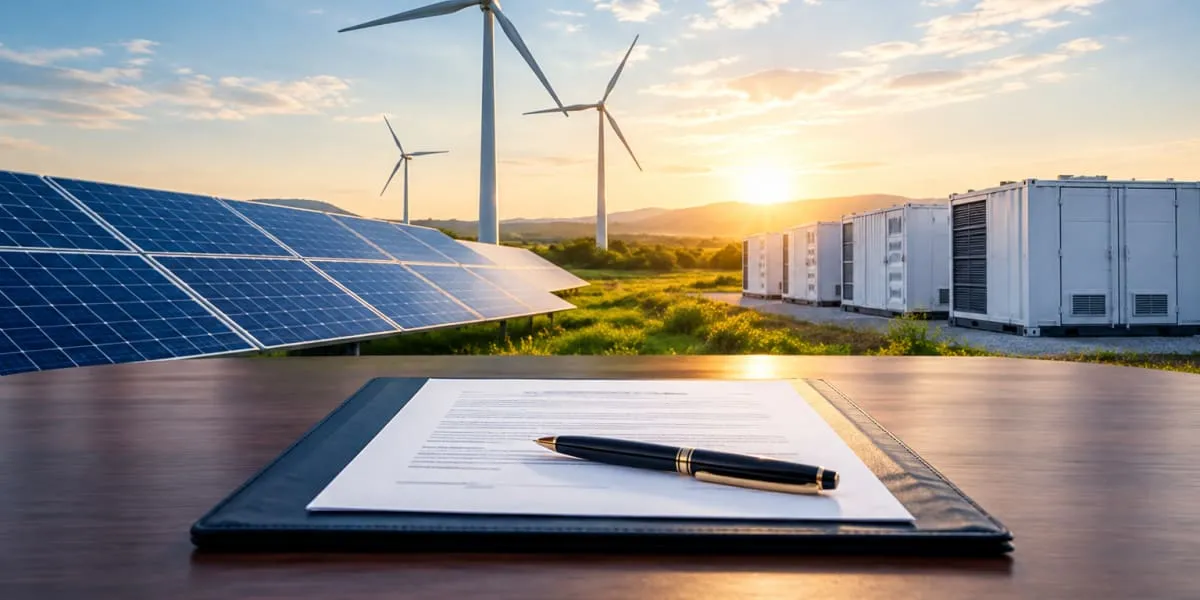
Essar Renewables, the renewable energy arm of Essar Power, has signed a Power Purchase Agreement (PPA) with NHPC for a 300 MW renewable energy project in Andhra Pradesh. The agreement follows the company’s successful bid for the project two years ago. Essar Power will invest approximately Rs. 45 bn in the development. The project will combine solar and wind generation with Battery Energy Storage Systems (BESS), enabling the supply of reliable and dispatchable renewable power. It forms part of Essar Power’s plan to build a diversified energy portfolio of approximately 5 GW across renewable,..

Advertisement

Subscribe to Our Newsletter

Get daily newsletters around different themes from Construction world.

STAY CONNECTED

Advertisement

SPECIAL OFFER
QR Code