Gujarat Pipavav Port plans Rs 170 billion investment with GMB
PORTS & SHIPPING

Gujarat Pipavav Port plans Rs 170 billion investment with GMB

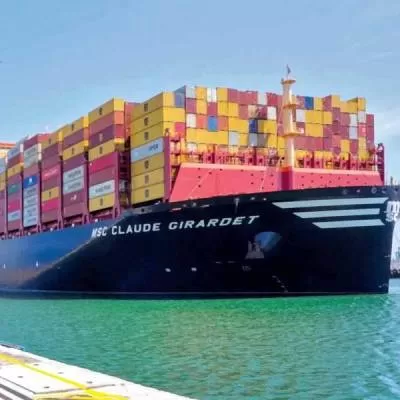
Gujarat Pipavav Port Limited (APM Terminals Pipavav) has signed a non-binding Memorandum of Understanding (MoU) with the Gujarat Maritime Board (GMB) on 29 October 2025, outlining potential future investments worth Rs 170 billion at Pipavav Port. The investment plan is contingent upon the long-term extension of the port’s existing concession, which is currently valid until September 2028.

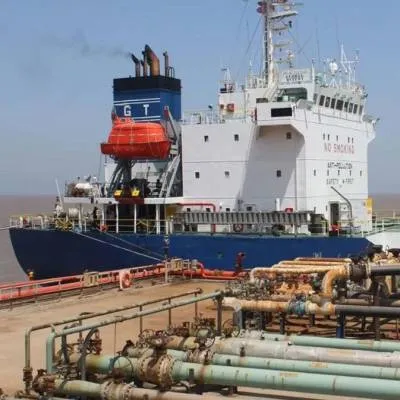
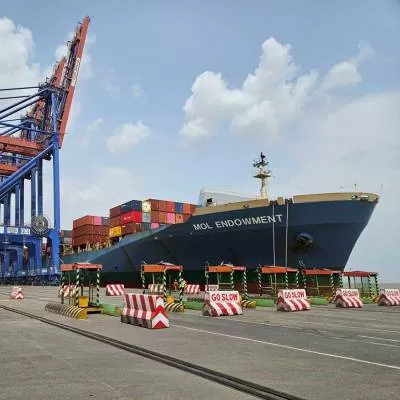
The proposed expansion aims to enhance Pipavav Port’s capacity and infrastructure to meet rising maritime logistics demand in India. Under the MoU, the company plans to develop facilities for handling containers, liquid cargo, and roll-on/roll-off (RoRo) operations.

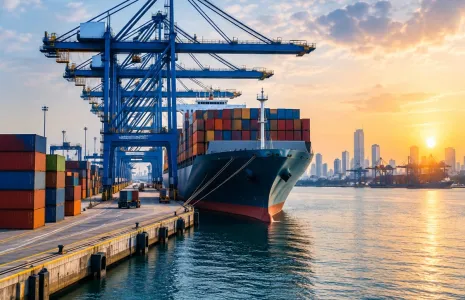
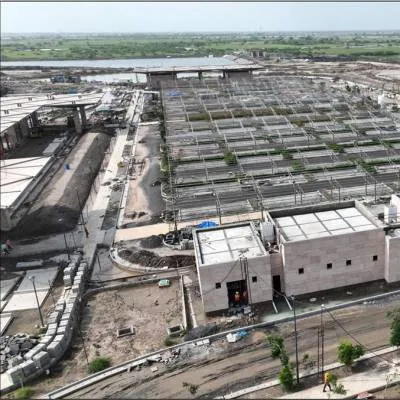
Planned upgrades include expanded storage areas, increased rail siding capacity, specialised cargo-handling equipment, and a deeper waterfront to accommodate larger vessels. The investment roadmap aligns with the company’s vision of transforming Pipavav Port into a leading multimodal logistics hub connecting ocean, rail, and road networks across north-western India.

The initiative also focuses on improving operational efficiency through strategic partnerships and advanced maritime technology, thereby strengthening regional and national supply chain systems.

Execution of the proposed projects will depend on securing a long-term extension of the current concession agreement between Gujarat Pipavav Port and GMB. The extension would establish a framework for implementing capacity expansion and infrastructure modernisation initiatives over the next few years.

On 29 October 2025, Gujarat Pipavav Port’s share price opened at Rs 160.00 on the NSE, up from the previous close of Rs 158.99. The stock rose to Rs 167.00 and dipped to Rs 159.16 during the day, trading at Rs 164.51 at 11:49 AM — a gain of 3.47 per cent. Over the past week, the stock increased by 2.79 per cent, by 4.64 per cent over the past month, and by 5.88 per cent in the last three months.

The signing of this non-binding MoU marks a pivotal step in Gujarat’s maritime infrastructure development. With potential investments totalling Rs 170 billion, Pipavav Port aims to evolve into a world-class trade and logistics hub, enhancing India’s coastal and inland connectivity for global commerce.

Gujarat Pipavav Port Limited (APM Terminals Pipavav) has signed a non-binding Memorandum of Understanding (MoU) with the Gujarat Maritime Board (GMB) on 29 October 2025, outlining potential future investments worth Rs 170 billion at Pipavav Port. The investment plan is contingent upon the long-term extension of the port’s existing concession, which is currently valid until September 2028. The proposed expansion aims to enhance Pipavav Port’s capacity and infrastructure to meet rising maritime logistics demand in India. Under the MoU, the company plans to develop facilities for handling containers, liquid cargo, and roll-on/roll-off (RoRo) operations. Planned upgrades include expanded storage areas, increased rail siding capacity, specialised cargo-handling equipment, and a deeper waterfront to accommodate larger vessels. The investment roadmap aligns with the company’s vision of transforming Pipavav Port into a leading multimodal logistics hub connecting ocean, rail, and road networks across north-western India. The initiative also focuses on improving operational efficiency through strategic partnerships and advanced maritime technology, thereby strengthening regional and national supply chain systems. Execution of the proposed projects will depend on securing a long-term extension of the current concession agreement between Gujarat Pipavav Port and GMB. The extension would establish a framework for implementing capacity expansion and infrastructure modernisation initiatives over the next few years. On 29 October 2025, Gujarat Pipavav Port’s share price opened at Rs 160.00 on the NSE, up from the previous close of Rs 158.99. The stock rose to Rs 167.00 and dipped to Rs 159.16 during the day, trading at Rs 164.51 at 11:49 AM — a gain of 3.47 per cent. Over the past week, the stock increased by 2.79 per cent, by 4.64 per cent over the past month, and by 5.88 per cent in the last three months. The signing of this non-binding MoU marks a pivotal step in Gujarat’s maritime infrastructure development. With potential investments totalling Rs 170 billion, Pipavav Port aims to evolve into a world-class trade and logistics hub, enhancing India’s coastal and inland connectivity for global commerce.

Next Story
Infrastructure Urban

Mount Expands Tumkur Facility with New Automated Panel, PEB Lines

Mount Roofing & Structures Private Limited, one of India's fastest-growing manufacturers in PUF and a leading solutions provider across pre-engineered building (PEB) and polycarbonate sheets, simultaneously inaugurated its second fully automated continuous sandwich panel manufacturing line and a new PEB manufacturing plant at its integrated campus in Tumkur.The milestone expansion, part of a total investment of Rs 250 crore, marks a significant advancement in the company's commitment to engineered performance, manufacturing scale, and industrial growth. The integrated facility spans approx..

Next Story
Infrastructure Transport

India Becomes First to Produce Bio-Bitumen for Roads

India has become the first country in the world to commercially produce bio-bitumen for use in road construction, according to Road, Transport and Highways Minister Nitin Gadkari. Bitumen, a black and viscous hydrocarbon derived from crude oil, is a key binding material in road building, and the bio-based alternative is expected to significantly improve the sector’s environmental footprint.Addressing the CSIR Technology Transfer Ceremony in New Delhi, Mr Gadkari congratulated Council of Scientific and Industrial Research on achieving the milestone, noting that the initiative would help curb ..

Next Story
Infrastructure Urban

HILT Policy Seen Boosting Telangana Revenue Sharply

The Hyderabad Industrial Land Transformation (HILT) Policy is expected to generate around Rs 1.08 billion in revenue for the Telangana state exchequer, according to Deputy Chief Minister Bhatti Vikramarka Mallu. Speaking in the Telangana Legislative Assembly, he said the policy would be implemented within a six-month timeframe in a transparent manner, with uniform rules applicable to all stakeholders. Mr Vikramarka noted that without the HILT Policy, the state would have earned only about Rs 1.2 million per acre. Under the new framework, however, revenue is projected to rise sharply to Rs 70 ..

Advertisement

Subscribe to Our Newsletter

Get daily newsletters around different themes from Construction world.

STAY CONNECTED

Advertisement

Advertisement

Advertisement

Advertisement

Open In App