+
IRFC Signs MoU For Outer Harbour Development At Tuticorin Port
PORTS & SHIPPING

IRFC Signs MoU For Outer Harbour Development At Tuticorin Port

Indian Railway Finance Corporation (IRFC) has signed a memorandum of understanding to support outer harbour development at Tuticorin Port. The agreement is intended to facilitate coordinated planning and financing for the expansion of port infrastructure to handle increased maritime traffic. IRFC will work with port stakeholders to align rail connectivity and logistics support. The arrangement will seek to prioritise coordinated scheduling of freight corridors and optimisation of hinterland links.

The memorandum outlines collaboration on project studies, financing structures and phased implementation with an emphasis on improving multimodal links. The parties will evaluate options for enhancing rail freight integration, draught capacity and cargo handling efficiency to support trade flows. The partnership is expected to explore funding mechanisms that leverage public sector resources and long term lending instruments. Technical studies will assess environmental impacts, operational feasibility and infrastructure readiness as part of preparatory work.

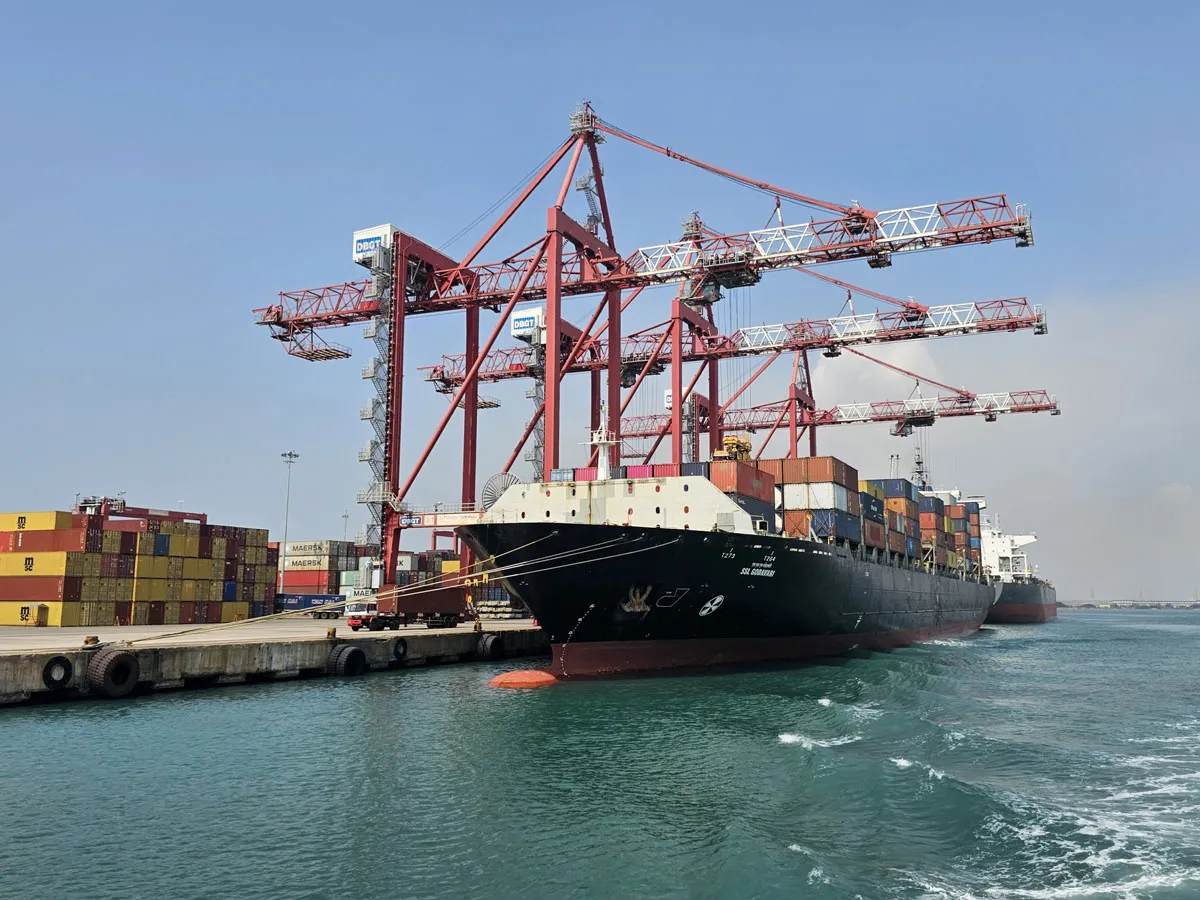
Tuticorin Port is a key gateway for southern maritime trade and the outer harbour development has been identified as critical to accommodate larger vessels and increased throughput. Enhanced rail connectivity is expected to reduce logistical bottlenecks and improve turnaround times for freight operators. Stakeholders anticipate that the project will contribute to regional economic activity and strengthen supply chain resilience. Local industry representatives and logistics providers are expected to be consulted during planning to align capacity with demand.

Next steps include detailed feasibility studies, regulatory clearances and phased mobilisation of resources with timelines to be decided by the participating agencies. IRFC will assess financing parameters while coordinating with port authorities and central agencies to ensure regulatory compliance and alignment with national infrastructure priorities. The memorandum frames a cooperation model that could be replicated at other coastal hubs to strengthen multimodal trade corridors. Timely coordination among finance, regulatory and operational stakeholders will be crucial for staged delivery and investor confidence.

Indian Railway Finance Corporation (IRFC) has signed a memorandum of understanding to support outer harbour development at Tuticorin Port. The agreement is intended to facilitate coordinated planning and financing for the expansion of port infrastructure to handle increased maritime traffic. IRFC will work with port stakeholders to align rail connectivity and logistics support. The arrangement will seek to prioritise coordinated scheduling of freight corridors and optimisation of hinterland links. The memorandum outlines collaboration on project studies, financing structures and phased implementation with an emphasis on improving multimodal links. The parties will evaluate options for enhancing rail freight integration, draught capacity and cargo handling efficiency to support trade flows. The partnership is expected to explore funding mechanisms that leverage public sector resources and long term lending instruments. Technical studies will assess environmental impacts, operational feasibility and infrastructure readiness as part of preparatory work. Tuticorin Port is a key gateway for southern maritime trade and the outer harbour development has been identified as critical to accommodate larger vessels and increased throughput. Enhanced rail connectivity is expected to reduce logistical bottlenecks and improve turnaround times for freight operators. Stakeholders anticipate that the project will contribute to regional economic activity and strengthen supply chain resilience. Local industry representatives and logistics providers are expected to be consulted during planning to align capacity with demand. Next steps include detailed feasibility studies, regulatory clearances and phased mobilisation of resources with timelines to be decided by the participating agencies. IRFC will assess financing parameters while coordinating with port authorities and central agencies to ensure regulatory compliance and alignment with national infrastructure priorities. The memorandum frames a cooperation model that could be replicated at other coastal hubs to strengthen multimodal trade corridors. Timely coordination among finance, regulatory and operational stakeholders will be crucial for staged delivery and investor confidence.

Next Story
Infrastructure Urban

Implementation Status of Jal Jeevan Mission

Since August 2019 the Government has implemented Jal Jeevan Mission to provide assured potable water through household tap connections in rural India. At the start of the mission only 32.3 million (mn) rural households, representing 16.7 per cent, were reported to have tap water connections. States and union territories have reported that 125.8 mn additional rural households have since been provided with tap connections. As a result, of about 193.6 mn rural households roughly 158.2 mn, or 81.71 per cent, are reported to have tap water supply at home.\n\nThe State, district and village level st..

Next Story
Infrastructure Urban

Jal Jeevan Mission Reaches Eighty One Per Cent Rural Coverage

The Government reported substantial progress under the Jal Jeevan Mission, launched in August 2019 to provide tap water to every rural household. At launch only 32.3 million (mn) rural households had tap connections and states and Union territories reported provision of 125.8 mn additional households by March 2026. Consequently, out of about 193.6 mn rural households around 158.2 mn, or 81.71 per cent, are reported to have tap water at home. The Finance Minister announced extension of the mission until 2028 in the 2025-26 budget speech. The Swachh Bharat Mission Grameen, launched in October 20..

Next Story
Infrastructure Urban

Empowering Local Governance for Sustainable Rural Water Supply

The Ministry of Jal Shakti has aligned the Jal Jeevan Mission (JJM) with the 73rd Amendment to strengthen village level planning and community ownership of water supply. Gram Panchayats, village water and sanitation committees and Pani Samitis are to plan, implement, manage and maintain piped water systems, with gram sabha processes formalising handover and oversight. Implementation support agencies including non government organisations, community based organisations and self help groups have been empanelled to train local committees and promote women participation. Under JJM, the department ..

Advertisement

Subscribe to Our Newsletter

Get daily newsletters around different themes from Construction world.

STAY CONNECTED

Advertisement

Advertisement

Advertisement