

Kandla Port Reclaims Top Spot Among Major Ports
PORTS & SHIPPING

Kandla Port Reclaims Top Spot Among Major Ports

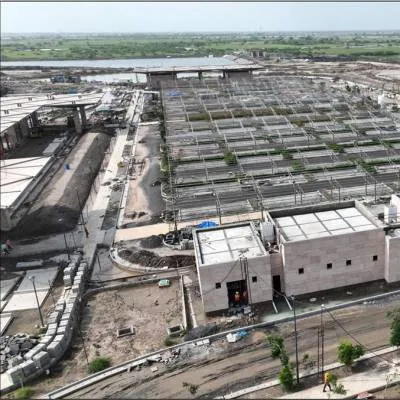
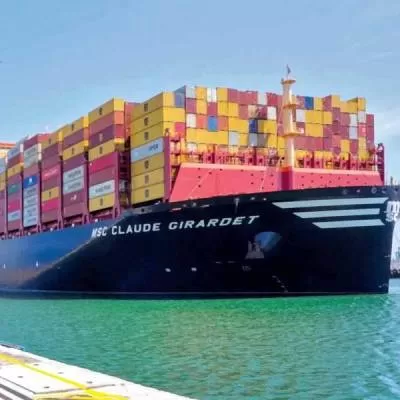
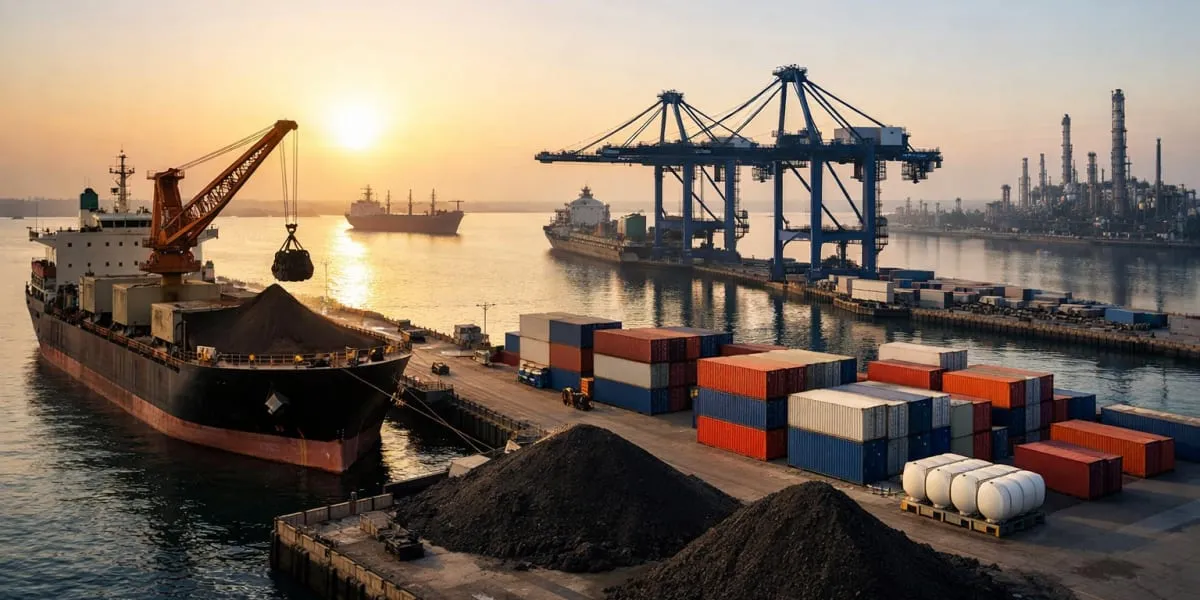
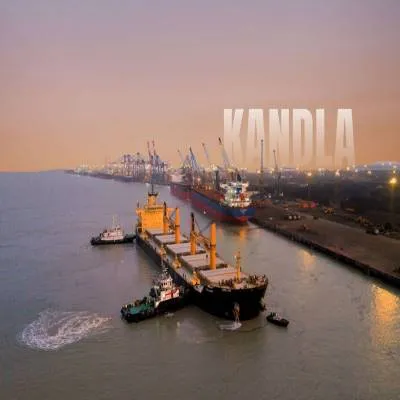
Kandla Port has overtaken Paradip to reclaim the top position among major Indian ports after handling 160.11 million tonnes (mn t) of cargo in financial year 2026. The shift marks a return to the highest cargo throughput for the port, which regained precedence after a period in which Paradip led totals. Authorities attributed the rise to sustained throughput at key berths and steady traffic in energy and bulk commodities including dry and liquid bulk.

Port officials indicated that container and bulk handling facilities sustained higher utilisation during the year, supporting overall growth without disclosing detailed segmental figures. Improved hinterland connectivity and incremental operational efficiencies were reported as contributing factors. Stakeholders noted that streamlined berthing and faster turnaround helped absorb seasonal demand and improve supply chain reliability. Operators also highlighted ongoing investments in mechanisation and digital systems to reduce dwell time and improve cargo visibility.

The change in ranking is likely to influence freight flows and investment priorities across the western and eastern corridors, with shippers revisiting routing decisions to optimise cost and time. Terminal operators signalled plans to continue enhancing draft and berth capacity while coordinating with rail and road agencies to ease last mile movements. Analysts noted that consistent performance at major ports is critical for maintaining import and export competitiveness. The development could have wider implications for regional trade dynamics and port competition over the medium term.

The outcome emphasises the strategic role of port infrastructure in supporting trade growth and resilience in logistics networks. Policymakers and port authorities are expected to monitor throughput trends to prioritise capacity additions and regulatory support. Market participants suggested that sustained focus on operational discipline will be necessary to preserve gains and meet future cargo demand. Industry sources said coordinated planning between central and state agencies would be key to sustaining throughput gains.

Kandla Port has overtaken Paradip to reclaim the top position among major Indian ports after handling 160.11 million tonnes (mn t) of cargo in financial year 2026. The shift marks a return to the highest cargo throughput for the port, which regained precedence after a period in which Paradip led totals. Authorities attributed the rise to sustained throughput at key berths and steady traffic in energy and bulk commodities including dry and liquid bulk. Port officials indicated that container and bulk handling facilities sustained higher utilisation during the year, supporting overall growth without disclosing detailed segmental figures. Improved hinterland connectivity and incremental operational efficiencies were reported as contributing factors. Stakeholders noted that streamlined berthing and faster turnaround helped absorb seasonal demand and improve supply chain reliability. Operators also highlighted ongoing investments in mechanisation and digital systems to reduce dwell time and improve cargo visibility. The change in ranking is likely to influence freight flows and investment priorities across the western and eastern corridors, with shippers revisiting routing decisions to optimise cost and time. Terminal operators signalled plans to continue enhancing draft and berth capacity while coordinating with rail and road agencies to ease last mile movements. Analysts noted that consistent performance at major ports is critical for maintaining import and export competitiveness. The development could have wider implications for regional trade dynamics and port competition over the medium term. The outcome emphasises the strategic role of port infrastructure in supporting trade growth and resilience in logistics networks. Policymakers and port authorities are expected to monitor throughput trends to prioritise capacity additions and regulatory support. Market participants suggested that sustained focus on operational discipline will be necessary to preserve gains and meet future cargo demand. Industry sources said coordinated planning between central and state agencies would be key to sustaining throughput gains.

Next Story
Infrastructure Transport

Large Format Store Planned At M G Road Metro Station

M G Road station in Bengaluru is set to host the city’s first large-format commercial and experience space, with planning led by Bangalore Metro Rail Corporation Limited. BMRCL has invited proposals to develop and operate a central business district destination at the Purple?Pink Line interchange. The plan positions the station as a commercial hub designed to serve a broad commuter base across the city. The proposal is part of a broader effort to activate transit nodes commercially. Tender documents set a minimum monthly rental of Rs 0.944 million (mn), inclusive of GST, for the large-format..

Next Story
Infrastructure Energy

Government Cancels Auction Of Eleven Critical Mineral Blocks

The government has cancelled the auction of 11 critical and strategic mineral blocks after receiving a poor investor response and failing to attract a sufficient number of qualified bidders. The decision represents a setback to plans to ramp up domestic exploration and production of critical minerals amid global supply chain disruptions and rising demand for materials used in clean energy and advanced technologies. The mines ministry issued an annulment notice setting out the reasons for the cancellations. The annulment notice indicated that the auction process for five mineral blocks was canc..

Next Story
Infrastructure Energy

Gujarat Pushes Biogas Growth With 193 Operational Units

Gujarat has operationalised 193 biogas plants across the state and is planning to add 60 more units as part of a broader push to scale up clean and sustainable energy solutions. The existing plants, established under various government-supported schemes, process organic waste including cattle dung and agricultural residue to produce biogas and a nutrient-rich slurry. The output is mainly used for cooking and other energy needs in rural and semi-urban communities, while also improving local waste management practices. The Gujarat Energy Development Agency (GEDA) is leading the initiative and is..

Advertisement

Subscribe to Our Newsletter

Get daily newsletters around different themes from Construction world.

STAY CONNECTED

Advertisement

Advertisement

Advertisement