Mumbai Port Seeks Nod to Reclaim Sea at Jawahar Dweep
PORTS & SHIPPING

Mumbai Port Seeks Nod to Reclaim Sea at Jawahar Dweep

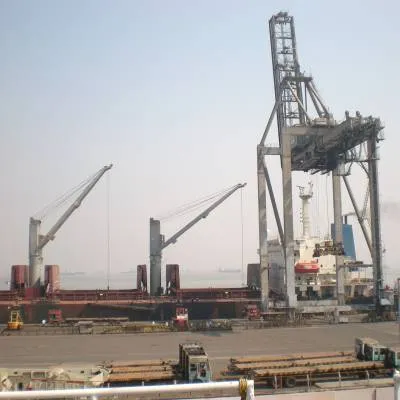
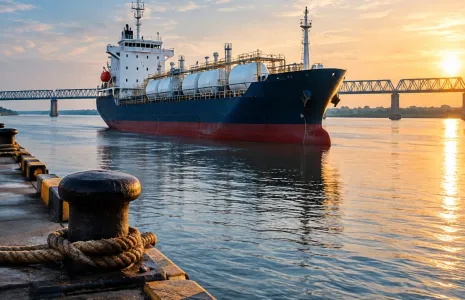
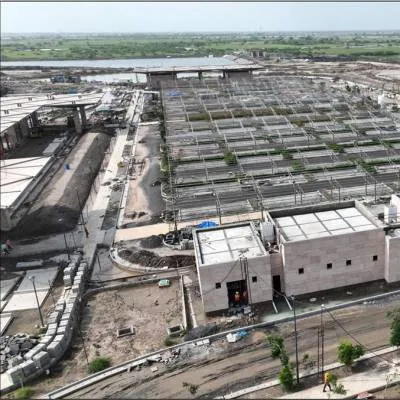
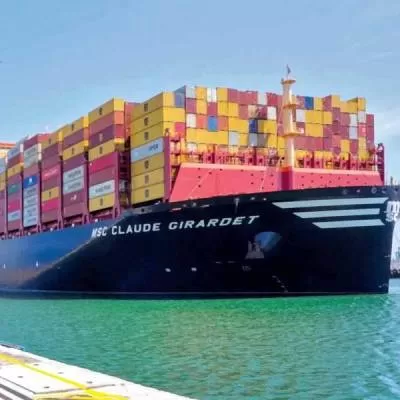
The Mumbai Port Authority (MbPA) has proposed reclaiming 4.14 hectares of sea at Jawahar Dweep, also known as Butcher Island, to build additional crude oil storage facilities. The proposal, which will be placed before the Maharashtra Coastal Zone Management Authority for clearance, aims to improve turnaround times for ships handling petroleum and chemical cargo.

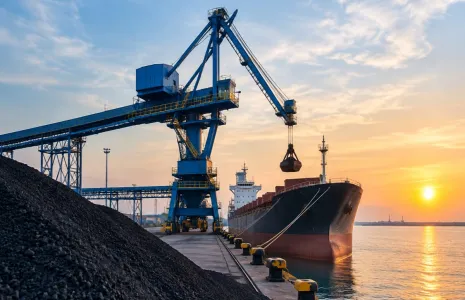
Officials argue that the move is essential, as liquid petroleum and chemicals account for nearly 70 per cent of the port’s cargo. Currently, oil unloaded at Mumbai Port is piped to refineries in Mahul, but limited storage capacity has been slowing operations. The first phase of reclamation will require about three lakh cubic metres of soil, which officials said would be sourced from excavated material from the Mumbai coastal road tunnel project.

The cost of reclamation is estimated at Rs 25 crore, with the facility expected to be ready in two years. Officials said the project would enhance efficiency and strengthen Mumbai Port’s standing as India’s largest bulk cargo port, which already handles 8.61 per cent of the nation’s seaborne trade.

However, environmental groups have opposed the move. Activist D Stalin of NGO Vanshakti said, “Instead of reclaiming the sea, MbPA should use its vast tracts of unused land. These actions will increase the pressure on Mumbai’s shoreline and heighten the risk of flooding.”

Despite these concerns, MbPA maintains that the expansion is crucial to meet the growing demands of oil PSUs like BPCL and HPCL, which rely heavily on Jawahar Dweep for crude imports.

The Mumbai Port Authority (MbPA) has proposed reclaiming 4.14 hectares of sea at Jawahar Dweep, also known as Butcher Island, to build additional crude oil storage facilities. The proposal, which will be placed before the Maharashtra Coastal Zone Management Authority for clearance, aims to improve turnaround times for ships handling petroleum and chemical cargo.Officials argue that the move is essential, as liquid petroleum and chemicals account for nearly 70 per cent of the port’s cargo. Currently, oil unloaded at Mumbai Port is piped to refineries in Mahul, but limited storage capacity has been slowing operations. The first phase of reclamation will require about three lakh cubic metres of soil, which officials said would be sourced from excavated material from the Mumbai coastal road tunnel project.The cost of reclamation is estimated at Rs 25 crore, with the facility expected to be ready in two years. Officials said the project would enhance efficiency and strengthen Mumbai Port’s standing as India’s largest bulk cargo port, which already handles 8.61 per cent of the nation’s seaborne trade.However, environmental groups have opposed the move. Activist D Stalin of NGO Vanshakti said, “Instead of reclaiming the sea, MbPA should use its vast tracts of unused land. These actions will increase the pressure on Mumbai’s shoreline and heighten the risk of flooding.”Despite these concerns, MbPA maintains that the expansion is crucial to meet the growing demands of oil PSUs like BPCL and HPCL, which rely heavily on Jawahar Dweep for crude imports.

Next Story
Infrastructure Transport

MMRDA advances 250 m on Orange Gate–Marine Drive tunnel

The Mumbai Metropolitan Region Development Authority (MMRDA) has completed 250 m of underground tunnelling for the Orange Gate–Marine Drive Urban Road Tunnel using India’s largest slurry shield tunnel boring machine (TBM) deployed for an urban road project.The project involves twin tunnels extending over 7 km beneath critical transport corridors, including Central Railway, Western Railway and Metro Line 3. The work requires high-precision engineering to navigate densely developed urban infrastructure.Once completed, the tunnel is expected to reduce travel time between Orange Gate and Marin..

Next Story
Infrastructure Urban

Hindustan Zinc Pays Rs 188.46 Billion in FY26

Hindustan Zinc contributed Rs 188.46 billion to the public exchequer in FY 2025-26, according to its 9th Tax Transparency Report. The contribution, equivalent to 46 per cent of the company’s revenue, included direct and indirect taxes, government royalties, dividends to the Government of India, withholding taxes and other statutory levies.The company’s five-year cumulative contribution to the exchequer stood at Rs 915.72 billion. In FY26, Hindustan Zinc reported revenue of Rs 408.44 billion, EBITDA of Rs 221.62 billion and profit after tax of Rs 138.32 billion. It also achieved its highest..

Next Story
Infrastructure Urban

World of Concrete India 2026 Opens in Mumbai

Informa Markets in India will host the 12th edition of World of Concrete India 2026 from 3–5 June 2026 at the Bombay Exhibition Centre, Mumbai. The specialised B2B exhibition will bring together manufacturers, suppliers, contractors, developers, architects, consultants, infrastructure companies, project leaders and government stakeholders.The event is expected to feature over 350 brands and more than 18,000 trade professionals. It will cover concrete and cement, dry mortar, precast technologies, formwork, construction chemicals, industrial and commercial flooring, scaffolding, safety solutio..

Advertisement

Subscribe to Our Newsletter

Get daily newsletters around different themes from Construction world.

STAY CONNECTED

Advertisement

Advertisement

Advertisement