
Mumbai Port Unveils Integrated Master Plan 2047
PORTS & SHIPPING

Mumbai Port Unveils Integrated Master Plan 2047

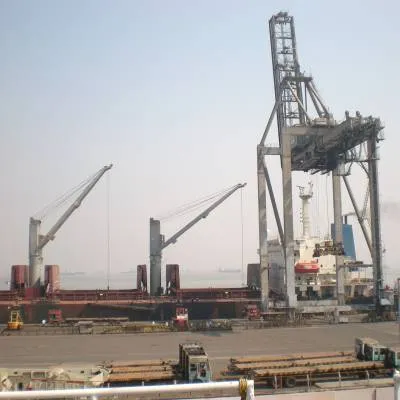
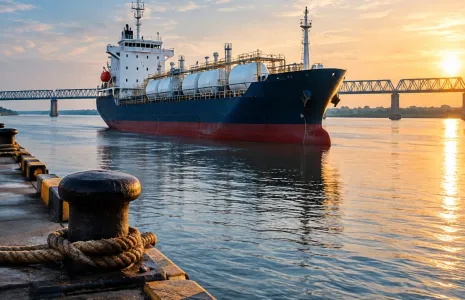
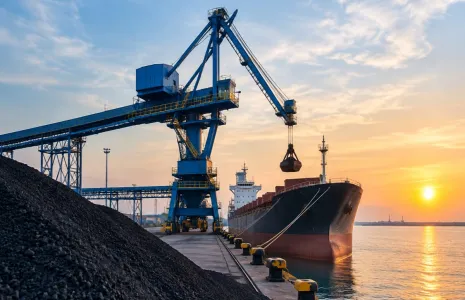
Mumbai Port Authority has launched its Integrated Port Master Plan 2047, outlining a long-term strategy to expand capacity, modernise infrastructure and improve operational efficiency over the next two decades.

The plan targets cargo handling capacity of over 100 million tonnes per annum and includes upgrades to liquid bulk handling and chemical infrastructure. It also focuses on redeveloping underutilised port land into high-value maritime and urban districts, supporting broader economic growth in the Mumbai region.

The roadmap is supported by a traffic assessment conducted by CRISIL, which projects total port traffic to rise from 68.3 million tonnes per annum to 106.2 million tonnes per annum by 2053. Liquid bulk cargo transported through pipelines is expected to increase from 39.0 million tonnes per annum to 56.5 million tonnes per annum.

In addition, the plan anticipates steady growth in coastal shipping and road-based transport for commodities such as steel, cement, fertilisers, chemicals and automobiles. The strategy is designed to address competitive pressures from the neighbouring Nhava Sheva port and persistent traffic congestion in Mumbai, while reinforcing Mumbai Port’s role as a critical national maritime gateway.

Mumbai Port Authority has launched its Integrated Port Master Plan 2047, outlining a long-term strategy to expand capacity, modernise infrastructure and improve operational efficiency over the next two decades. The plan targets cargo handling capacity of over 100 million tonnes per annum and includes upgrades to liquid bulk handling and chemical infrastructure. It also focuses on redeveloping underutilised port land into high-value maritime and urban districts, supporting broader economic growth in the Mumbai region. The roadmap is supported by a traffic assessment conducted by CRISIL, which projects total port traffic to rise from 68.3 million tonnes per annum to 106.2 million tonnes per annum by 2053. Liquid bulk cargo transported through pipelines is expected to increase from 39.0 million tonnes per annum to 56.5 million tonnes per annum. In addition, the plan anticipates steady growth in coastal shipping and road-based transport for commodities such as steel, cement, fertilisers, chemicals and automobiles. The strategy is designed to address competitive pressures from the neighbouring Nhava Sheva port and persistent traffic congestion in Mumbai, while reinforcing Mumbai Port’s role as a critical national maritime gateway.

Next Story
Infrastructure Urban

Powerplay Rolls Out Procurement-Linked Credit for Contractors

Powerplay has announced the launch of Powerplay Credit, a project-linked working capital solution aimed at easing cash flow pressures faced by contractors during active construction execution. The solution has gone live across key markets in South India, with a wider national rollout planned for 2026.The launch comes amid rising activity in India’s construction sector across infrastructure, housing, industrial corridors, renewable energy and urban redevelopment. Contractors executing large corporate and government projects often face extended payment cycles, stage-based billing and delayed r..

Next Story
Infrastructure Urban

Jyoti Structures Commissions Galvanisation at Second Nashik Unit

Jyoti Structures has commissioned galvanisation operations at its second tower manufacturing unit in Nashik, strengthening its in-house capabilities across critical stages of power transmission infrastructure production. The listed Engineering, Procurement and Construction (EPC) company operates globally and has delivered projects for customers across more than 50 countries.The second Nashik unit, with an annual manufacturing capacity of 36,000 metric tonnes, has become operational following the completion of installation, testing and readiness of the new galvanising facilities. With this deve..

Next Story
Infrastructure Energy

Rosatom Connects First Kursk NPP-2 Unit to National Grid

Rosatom has launched the first power unit of the Kursk Nuclear Power Plant-2 (Kursk NPP-2) into Russia’s Unified Energy System, marking a key milestone in the country’s nuclear energy programme. The initial grid connection took place at the end of the year, bringing a new source of low-carbon electricity online for the Kursk region and the broader Central Energy System.The newly commissioned unit is the first implementation of the VVER-TOI reactor design, which incorporates advanced safety and performance features. With an installed capacity of 1,250 MW, it is the most powerful nuclear pow..

Advertisement

Subscribe to Our Newsletter

Get daily newsletters around different themes from Construction world.

STAY CONNECTED

Advertisement

Advertisement

Advertisement

Advertisement

Open In App