New Mangalore Port Approves Berth Nine Redevelopment
PORTS & SHIPPING

New Mangalore Port Approves Berth Nine Redevelopment

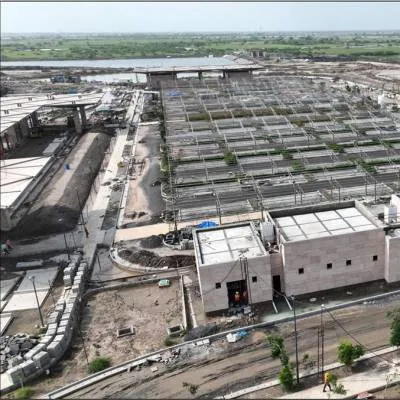
The central government has approved a proposal from the New Mangalore Port Authority to redevelop Berth No. 9 for liquid bulk on a public?private partnership under the design?build?finance?operate?transfer (DBFOT) model, with approval conveyed on 25 March 2026. The minister for ports, shipping and waterways said the project reflects national leadership priorities and will replace ageing facilities with modern marine infrastructure while positioning Indian ports to meet future energy and trade demands. The work will be awarded to a private concessionaire selected through an open competitive bidding process using a single?stage, two?envelope system.

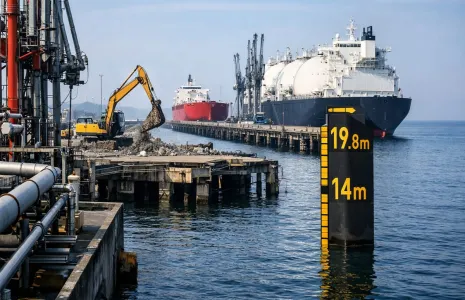
The scheme envisages dismantling legacy structures and raising the berth draft from 10.5 metres to 14 metres, with a future?ready provision up to 19.8 metres to accommodate vessels up to 200,000 DWT including Very Large Gas Carriers. The berth will handle crude oil, petroleum products and LPG and is designed for a cargo handling capacity of 10.90 million tonnes (mn t) per annum, with a minimum guaranteed cargo of seven point six three mn t by the fifth year. The construction phase is scheduled for two years and the concession period is 30 years inclusive of construction.

With an estimated cost of Rs 4,382.9 mn, financial terms include fixed royalty payments linked to cargo volumes and mandatory minimum cargo guarantees to ensure revenue stability. The redevelopment will replace nearly fifty?year?old structures with modern marine works designed for a 50?year structural life to improve long?term sustainability and resilience. Operational performance is expected to improve through mechanisation, including high?capacity marine unloading arms and automated mooring systems.

By enabling the handling of larger vessels and gas carriers, the port will gain economies of scale that should reduce logistics costs and enhance competitiveness for the Karnataka and Kerala hinterlands, facilitating trade and supporting industrial growth. Advanced safety and compliance systems such as modern firefighting infrastructure, nitrogen generation skids and integrated control systems are included to ensure safer handling of hazardous liquid cargo and to strengthen regional energy supply chain resilience over the concession period.

The central government has approved a proposal from the New Mangalore Port Authority to redevelop Berth No. 9 for liquid bulk on a public?private partnership under the design?build?finance?operate?transfer (DBFOT) model, with approval conveyed on 25 March 2026. The minister for ports, shipping and waterways said the project reflects national leadership priorities and will replace ageing facilities with modern marine infrastructure while positioning Indian ports to meet future energy and trade demands. The work will be awarded to a private concessionaire selected through an open competitive bidding process using a single?stage, two?envelope system. The scheme envisages dismantling legacy structures and raising the berth draft from 10.5 metres to 14 metres, with a future?ready provision up to 19.8 metres to accommodate vessels up to 200,000 DWT including Very Large Gas Carriers. The berth will handle crude oil, petroleum products and LPG and is designed for a cargo handling capacity of 10.90 million tonnes (mn t) per annum, with a minimum guaranteed cargo of seven point six three mn t by the fifth year. The construction phase is scheduled for two years and the concession period is 30 years inclusive of construction. With an estimated cost of Rs 4,382.9 mn, financial terms include fixed royalty payments linked to cargo volumes and mandatory minimum cargo guarantees to ensure revenue stability. The redevelopment will replace nearly fifty?year?old structures with modern marine works designed for a 50?year structural life to improve long?term sustainability and resilience. Operational performance is expected to improve through mechanisation, including high?capacity marine unloading arms and automated mooring systems. By enabling the handling of larger vessels and gas carriers, the port will gain economies of scale that should reduce logistics costs and enhance competitiveness for the Karnataka and Kerala hinterlands, facilitating trade and supporting industrial growth. Advanced safety and compliance systems such as modern firefighting infrastructure, nitrogen generation skids and integrated control systems are included to ensure safer handling of hazardous liquid cargo and to strengthen regional energy supply chain resilience over the concession period.

Next Story
Infrastructure Transport

Large Format Store Planned At M G Road Metro Station

M G Road station in Bengaluru is set to host the city’s first large-format commercial and experience space, with planning led by Bangalore Metro Rail Corporation Limited. BMRCL has invited proposals to develop and operate a central business district destination at the Purple?Pink Line interchange. The plan positions the station as a commercial hub designed to serve a broad commuter base across the city. The proposal is part of a broader effort to activate transit nodes commercially. Tender documents set a minimum monthly rental of Rs 0.944 million (mn), inclusive of GST, for the large-format..

Next Story
Infrastructure Energy

Government Cancels Auction Of Eleven Critical Mineral Blocks

The government has cancelled the auction of 11 critical and strategic mineral blocks after receiving a poor investor response and failing to attract a sufficient number of qualified bidders. The decision represents a setback to plans to ramp up domestic exploration and production of critical minerals amid global supply chain disruptions and rising demand for materials used in clean energy and advanced technologies. The mines ministry issued an annulment notice setting out the reasons for the cancellations. The annulment notice indicated that the auction process for five mineral blocks was canc..

Next Story
Infrastructure Energy

Gujarat Pushes Biogas Growth With 193 Operational Units

Gujarat has operationalised 193 biogas plants across the state and is planning to add 60 more units as part of a broader push to scale up clean and sustainable energy solutions. The existing plants, established under various government-supported schemes, process organic waste including cattle dung and agricultural residue to produce biogas and a nutrient-rich slurry. The output is mainly used for cooking and other energy needs in rural and semi-urban communities, while also improving local waste management practices. The Gujarat Energy Development Agency (GEDA) is leading the initiative and is..

Advertisement

Subscribe to Our Newsletter

Get daily newsletters around different themes from Construction world.

STAY CONNECTED

Advertisement

Advertisement

Advertisement