Port restrictions due to India’s Covid wave developing crew change crisis
PORTS & SHIPPING

Port restrictions due to India’s Covid wave developing crew change crisis

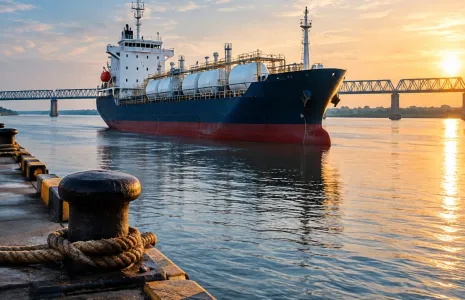
The second wave of Covid-19 in India has further affected the crew change crisis globally, instilling fears in the ports and shipping industry of a situation worse than the Suez Canal blockage.

Last week, the port of Singapore banned vessels changing crew who had been in India within the past 14 days, with similar restrictions at the UAE’s Fujairah, a major bunkering hub, and Zhoushan in China. According to the International Chamber of Shipping, there are around 2,40,000 Indian crew members at sea a year, of 1.6 million worldwide, and concerns are rising that numbers stuck on vessels could rise from the current 2,00,000 to the peak of 4,00,000 last seen in September 2020.

India has advised its seafarers not to sign off from vessels after completing their contracts for at least the next month or until the situation improves.

The International Maritime Organisation (IMO) has launched a due diligence tool to help businesses uphold their responsibility to protect human rights at sea.

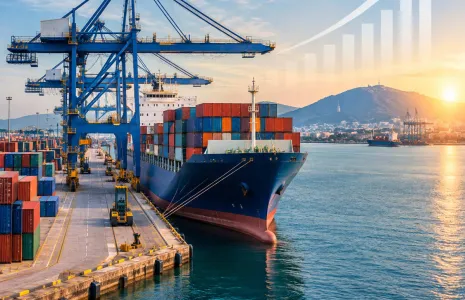
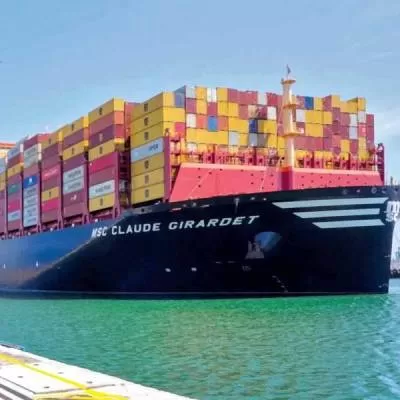
As well as worsening the plight of Indian seafarers stuck at sea, the port restrictions could disrupt vessel schedules. According to the shipping industry, the supply chain disruption after the Suez Canal blockage would be nothing in comparison to the disruption coming from being unable to change crews. A container vessel has already been delayed. According to vessel-tracking service Fleetmon, the ONE-operated Athens Bridge was denied entry into Malaysia, Singapore and Vietnam after departing India on 22 April. The ship was finally allowed to dock in Manila for emergency medical aid on 6 May after two crew members were suspected of having Covid-19.

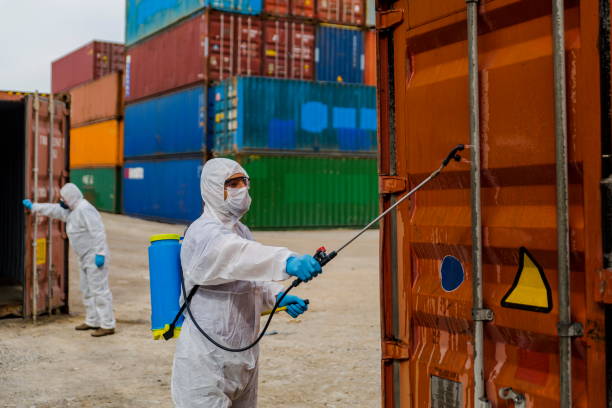
The supply of empty containers to India could be impacted yet again, this time by India's new Covid-19 surge.

Image Source


Also read: ICMR Head: Most of India should be under lockdown for 6-8 weeks

Also read: INS Kalinga: Indian Navy sets up Covid-19 care centre at Bheemunipatnam

The second wave of Covid-19 in India has further affected the crew change crisis globally, instilling fears in the ports and shipping industry of a situation worse than the Suez Canal blockage. Last week, the port of Singapore banned vessels changing crew who had been in India within the past 14 days, with similar restrictions at the UAE’s Fujairah, a major bunkering hub, and Zhoushan in China. According to the International Chamber of Shipping, there are around 2,40,000 Indian crew members at sea a year, of 1.6 million worldwide, and concerns are rising that numbers stuck on vessels could rise from the current 2,00,000 to the peak of 4,00,000 last seen in September 2020. India has advised its seafarers not to sign off from vessels after completing their contracts for at least the next month or until the situation improves. The International Maritime Organisation (IMO) has launched a due diligence tool to help businesses uphold their responsibility to protect human rights at sea. As well as worsening the plight of Indian seafarers stuck at sea, the port restrictions could disrupt vessel schedules. According to the shipping industry, the supply chain disruption after the Suez Canal blockage would be nothing in comparison to the disruption coming from being unable to change crews. A container vessel has already been delayed. According to vessel-tracking service Fleetmon, the ONE-operated Athens Bridge was denied entry into Malaysia, Singapore and Vietnam after departing India on 22 April. The ship was finally allowed to dock in Manila for emergency medical aid on 6 May after two crew members were suspected of having Covid-19. The supply of empty containers to India could be impacted yet again, this time by India's new Covid-19 surge. Image SourceAlso read: ICMR Head: Most of India should be under lockdown for 6-8 weeks Also read: INS Kalinga: Indian Navy sets up Covid-19 care centre at Bheemunipatnam

Next Story
Infrastructure Transport

MMRDA advances 250 m on Orange Gate–Marine Drive tunnel

The Mumbai Metropolitan Region Development Authority (MMRDA) has completed 250 m of underground tunnelling for the Orange Gate–Marine Drive Urban Road Tunnel using India’s largest slurry shield tunnel boring machine (TBM) deployed for an urban road project.The project involves twin tunnels extending over 7 km beneath critical transport corridors, including Central Railway, Western Railway and Metro Line 3. The work requires high-precision engineering to navigate densely developed urban infrastructure.Once completed, the tunnel is expected to reduce travel time between Orange Gate and Marin..

Next Story
Infrastructure Urban

Hindustan Zinc Pays Rs 188.46 Billion in FY26

Hindustan Zinc contributed Rs 188.46 billion to the public exchequer in FY 2025-26, according to its 9th Tax Transparency Report. The contribution, equivalent to 46 per cent of the company’s revenue, included direct and indirect taxes, government royalties, dividends to the Government of India, withholding taxes and other statutory levies.The company’s five-year cumulative contribution to the exchequer stood at Rs 915.72 billion. In FY26, Hindustan Zinc reported revenue of Rs 408.44 billion, EBITDA of Rs 221.62 billion and profit after tax of Rs 138.32 billion. It also achieved its highest..

Next Story
Infrastructure Urban

World of Concrete India 2026 Opens in Mumbai

Informa Markets in India will host the 12th edition of World of Concrete India 2026 from 3–5 June 2026 at the Bombay Exhibition Centre, Mumbai. The specialised B2B exhibition will bring together manufacturers, suppliers, contractors, developers, architects, consultants, infrastructure companies, project leaders and government stakeholders.The event is expected to feature over 350 brands and more than 18,000 trade professionals. It will cover concrete and cement, dry mortar, precast technologies, formwork, construction chemicals, industrial and commercial flooring, scaffolding, safety solutio..

Advertisement

Subscribe to Our Newsletter

Get daily newsletters around different themes from Construction world.

STAY CONNECTED

Advertisement

Advertisement

Advertisement