Can Data Cut India’s Logistics Carbon Footprint?
WAREHOUSING & LOGISTICS

Can Data Cut India’s Logistics Carbon Footprint?

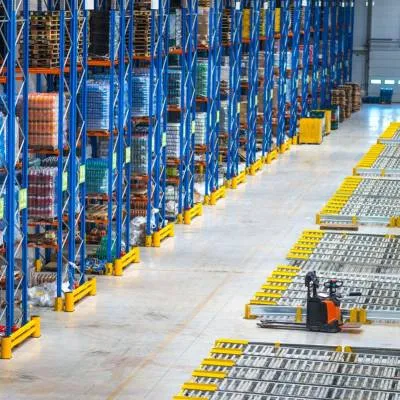
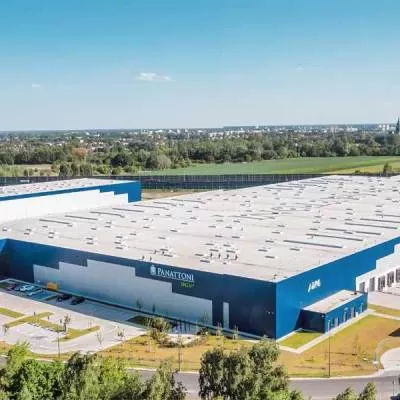
India’s logistics sector is a major enabler of economic growth, but it also contributes significantly to the country’s carbon emissions due to heavy reliance on road transport, fragmented networks and inefficient routing. As manufacturing and e-commerce expand, improving sustainability without compromising efficiency has become critical.

Data-driven technologies are emerging as a powerful solution, enabling better route planning, multimodal integration, real-time tracking and improved asset utilisation. Government initiatives such as the National Logistics Policy and ULIP are creating a digital backbone that supports evidence-based carbon reduction strategies.

By standardising emissions measurement and improving coordination across transport modes, data-led logistics can lower fuel consumption, reduce unnecessary trips and enhance reliability. Beyond environmental benefits, these efficiencies strengthen profitability, competitiveness and India’s position in sustainable global supply chains.

India’s logistics sector is a major enabler of economic growth, but it also contributes significantly to the country’s carbon emissions due to heavy reliance on road transport, fragmented networks and inefficient routing. As manufacturing and e-commerce expand, improving sustainability without compromising efficiency has become critical. Data-driven technologies are emerging as a powerful solution, enabling better route planning, multimodal integration, real-time tracking and improved asset utilisation. Government initiatives such as the National Logistics Policy and ULIP are creating a digital backbone that supports evidence-based carbon reduction strategies. By standardising emissions measurement and improving coordination across transport modes, data-led logistics can lower fuel consumption, reduce unnecessary trips and enhance reliability. Beyond environmental benefits, these efficiencies strengthen profitability, competitiveness and India’s position in sustainable global supply chains.

Next Story
Infrastructure Urban

Mitsubishi Corp Enters US Shale Gas With Aethon Buyout

Mitsubishi Corporation has agreed to acquire all equity interests in Aethon III LLC, Aethon United LP and related entities, marking its entry into the US shale gas sector across the value chain. The acquisition involves an equity investment of about USD 5.2 billion and is expected to close in the first quarter of Japan’s FY 2026, subject to regulatory approvals. The assets, operated by Aethon Energy Management, are located in the Haynesville shale across Louisiana and Texas and produce around 2.1 billion cubic feet per day of natural gas. The region offers strong access to LNG export termin..

Next Story
Infrastructure Urban

KiddeFenwal Unveils NATURA Micro for Compact Asset Fire Safety

KiddeFenwal has recently launched NATURA Micro, expanding its inert gas fire suppression portfolio with a compact, object-level solution designed to protect high-value, small-sized commercial and industrial assets. Introduced under the Kidde Fire Systems brand, the system delivers rapid, zero-residue fire suppression while remaining eco-friendly and low maintenance. The launch coincided with the unveiling of enhancements to the NATURA total flood system, including sound- and vibration-dampening acoustic nozzles for sensitive environments, a faster refill programme reducing system re-arming ti..

Next Story
Infrastructure Urban

Tech-Enabled Logistics Cut Intra-City Costs for MSMEs

A recent study by the Centre for Digital Economy Policy Research (C-DEP), conducted in collaboration with IIT Delhi, highlights the role of technology-enabled goods transportation services in reducing intra-city logistics costs and improving efficiency for MSMEs. The report was released in New Delhi and examines how digital platforms are becoming integral to daily MSME operations. MSMEs, which contribute nearly 30 per cent of India’s GDP and 45 per cent of industrial output, continue to face challenges such as high transport costs, unreliable vehicle availability and delivery delays. Based ..

Advertisement

Subscribe to Our Newsletter

Get daily newsletters around different themes from Construction world.

STAY CONNECTED

Advertisement

Advertisement

Advertisement

Advertisement

Open In App