Godrej Enterprises Drives India’s Smart Green Logistics Shift
WAREHOUSING & LOGISTICS

Godrej Enterprises Drives India’s Smart Green Logistics Shift

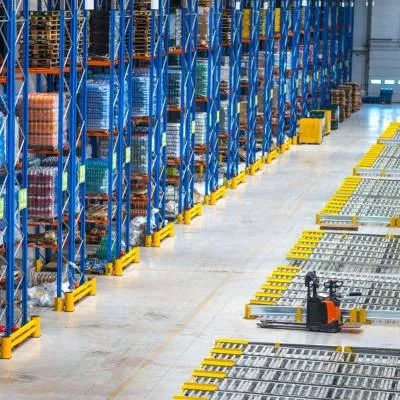
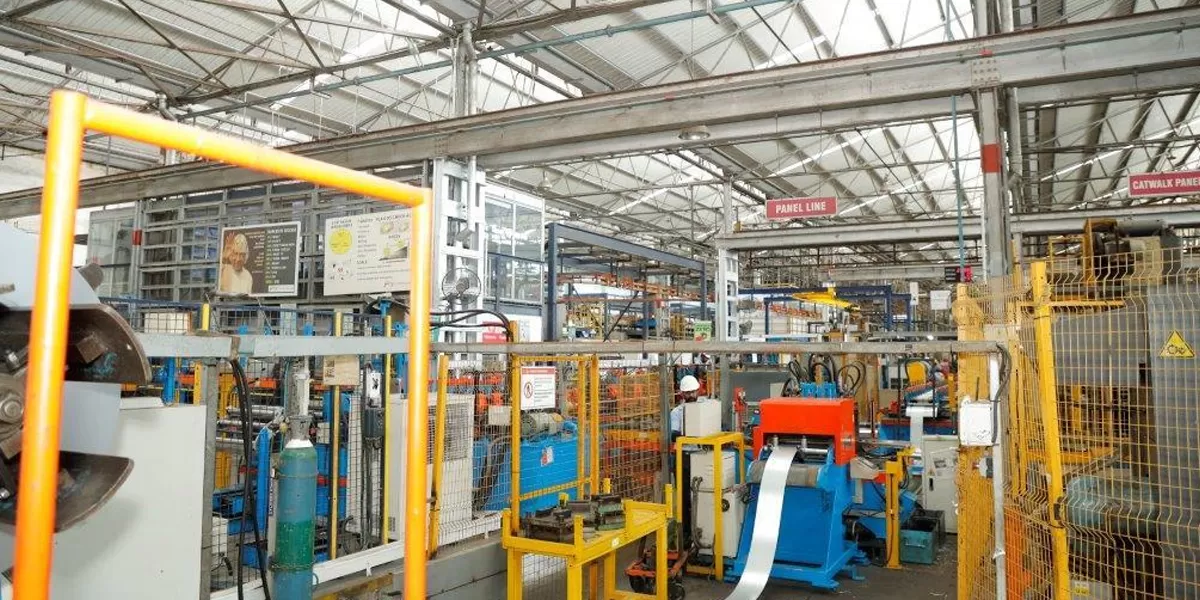
As India accelerates its transformation into a global manufacturing and logistics hub, Godrej Enterprises Group (GEG) is taking the lead with its smart, sustainable intralogistics solutions. Through its Material Handling Equipment (MHE) and Storage Solutions businesses, GEG is redefining operational efficiency in modern warehouses and factories using IoT, automation, and AI. 

GEG has consistently maintained a 20–25 per cent market share in the intralogistics sector over the past three years. Today, over 37 per cent of GEG’s revenues come from its Good & Green portfolio, and its network of eco-aligned partners has grown by 30 per cent over the last three years. Around 85 per cent of its procurement value is sourced domestically, underscoring its commitment to Atmanirbhar Bharat and responsible value chains. 

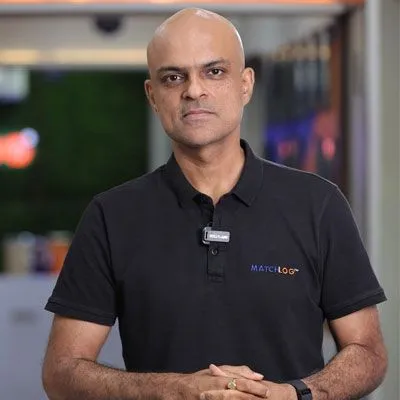
“Our work in intralogistics goes far beyond internal optimisation, it’s about enabling a logistics sector that is more robust and future-ready,” said Vikas Choudaha, Business Head, Storage Solutions, GEG. “We’re helping 3PLs, quick commerce players and manufacturers build warehouse ecosystems that lower costs and speed up delivery. Today, there’s a touch of Godrej in every third delivery you receive at home.” 

Anil Lingayat, Business Head, MHE, added, “Efficient logistics starts inside the warehouse. Every second saved compounds across the supply chain. Our digital-first, sustainable solutions—from electric and lithium-ion forklifts to automated, telematics-enabled racking platforms—are transforming operations.” He also noted that IoT-enabled forklifts will be launched in July to further enhance performance and efficiency. 

GEG is enabling high-growth sectors such as e-commerce, FMCG, consumer durables, cold chain logistics, and retail with future-ready solutions that align with the National Logistics Policy. These solutions focus on sustainability, cost efficiency and digital integration. 

The Storage Solutions facility in Chennai is a green manufacturing leader, achieving 3x water positivity, reducing carbon emissions by 30 per cent using piped natural gas, and operating with real-time energy and water monitoring systems. The plant is also a signatory to EP100 and is progressing towards a zero waste to landfill goal. Products manufactured here comply with RoHS standards, and the facility has doubled its energy productivity while reducing specific energy consumption by 60 per cent. 

At the Vikhroli facility in Mumbai, the MHE division has embedded sustainable practices such as renewable energy adoption, carbon footprint reduction, and water conservation. As pioneers in India’s electric forklift space, the division has recently introduced the country’s first lithium-ion battery-powered forklift with an indigenously developed Battery Management System (BMS). This BMS enhances safety, performance and battery life, especially under demanding Indian conditions. Currently, over 82 per cent of its forklift portfolio comprises electric models. 

India’s logistics costs currently represent 14–18 per cent of GDP, with a national target to bring this figure down to single digits. GEG is well-positioned to lead this transition by delivering a logistics ecosystem that is agile, intelligent, and sustainable, reinforcing its position as a key enabler of India's green industrial growth. 

As India accelerates its transformation into a global manufacturing and logistics hub, Godrej Enterprises Group (GEG) is taking the lead with its smart, sustainable intralogistics solutions. Through its Material Handling Equipment (MHE) and Storage Solutions businesses, GEG is redefining operational efficiency in modern warehouses and factories using IoT, automation, and AI. GEG has consistently maintained a 20–25 per cent market share in the intralogistics sector over the past three years. Today, over 37 per cent of GEG’s revenues come from its Good & Green portfolio, and its network of eco-aligned partners has grown by 30 per cent over the last three years. Around 85 per cent of its procurement value is sourced domestically, underscoring its commitment to Atmanirbhar Bharat and responsible value chains. “Our work in intralogistics goes far beyond internal optimisation, it’s about enabling a logistics sector that is more robust and future-ready,” said Vikas Choudaha, Business Head, Storage Solutions, GEG. “We’re helping 3PLs, quick commerce players and manufacturers build warehouse ecosystems that lower costs and speed up delivery. Today, there’s a touch of Godrej in every third delivery you receive at home.” Anil Lingayat, Business Head, MHE, added, “Efficient logistics starts inside the warehouse. Every second saved compounds across the supply chain. Our digital-first, sustainable solutions—from electric and lithium-ion forklifts to automated, telematics-enabled racking platforms—are transforming operations.” He also noted that IoT-enabled forklifts will be launched in July to further enhance performance and efficiency. GEG is enabling high-growth sectors such as e-commerce, FMCG, consumer durables, cold chain logistics, and retail with future-ready solutions that align with the National Logistics Policy. These solutions focus on sustainability, cost efficiency and digital integration. The Storage Solutions facility in Chennai is a green manufacturing leader, achieving 3x water positivity, reducing carbon emissions by 30 per cent using piped natural gas, and operating with real-time energy and water monitoring systems. The plant is also a signatory to EP100 and is progressing towards a zero waste to landfill goal. Products manufactured here comply with RoHS standards, and the facility has doubled its energy productivity while reducing specific energy consumption by 60 per cent. At the Vikhroli facility in Mumbai, the MHE division has embedded sustainable practices such as renewable energy adoption, carbon footprint reduction, and water conservation. As pioneers in India’s electric forklift space, the division has recently introduced the country’s first lithium-ion battery-powered forklift with an indigenously developed Battery Management System (BMS). This BMS enhances safety, performance and battery life, especially under demanding Indian conditions. Currently, over 82 per cent of its forklift portfolio comprises electric models. India’s logistics costs currently represent 14–18 per cent of GDP, with a national target to bring this figure down to single digits. GEG is well-positioned to lead this transition by delivering a logistics ecosystem that is agile, intelligent, and sustainable, reinforcing its position as a key enabler of India's green industrial growth. 

Related Stories

Gold Stories

Next Story
Resources

Schindler named among Forbes’ World’s Best Employers 2026

Schindler has been named among Forbes’ World’s Best Employers 2026, a global ranking recognising companies for their workplace environments.Compiled by Forbes in partnership with Statista, the ranking is based on independent employee feedback, including whether employees would recommend their organisation to friends and family.The company said the recognition reflected its focus on creating a workplace where employees can develop their expertise and build careers. ..
Next Story
Infrastructure Urban

India needs an export-execution mindset: Vishesh Jain

Interview with Vishesh Jain, Founder & CEO, EximpleWhat gaps in India’s global trade ecosystem led you to build Eximple, and what problem did you see businesses struggling with most?Eximple came out of a problem that all three founders had seen from different choke points in the trade ecosystem. India has millions of MSMEs and manufacturers, and many of them can make products that are genuinely competitive on quality. Yet only a small fraction is able to build meaningful international businesses. In our experience, the gap is usually not manufacturing capability; it is the ability to exe..

Next Story
Building Material

Nuvoco reports 13.5% revenue growth in Q2 FY27

Nuvoco Vistas Corp. Ltd. reported consolidated revenue of Rs 27.9 billion for Q2 FY27, up 13.5% year on year. Cement sales volume rose 9% to 4.7 million tonnes (MMT), while EBITDA increased 11% to Rs 4.11 billion.The company said it began its cement operations in 2014 with a 2.3 MMT per annum (MMTPA) operation at Nimbol. It now aims to reach 35 MMTPA of cement capacity by FY28, nearly 15 times its initial capacity. Its portfolio spans cement, ready-mix concrete and modern building materials.On sustainability and cost efficiency, Nuvoco partnered with CleanMax for a 46.4 MW wind-solar hybrid re..

Advertisement

Subscribe to Our Newsletter

Get daily newsletters around different themes from Construction world.

STAY CONNECTED

Advertisement

SPECIAL OFFER
QR Code