India Turns To US And Iran For LPG As Supply Chains Shift
WAREHOUSING & LOGISTICS

India Turns To US And Iran For LPG As Supply Chains Shift

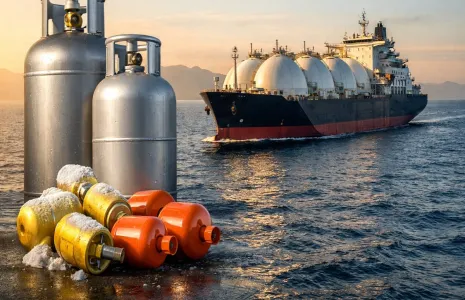
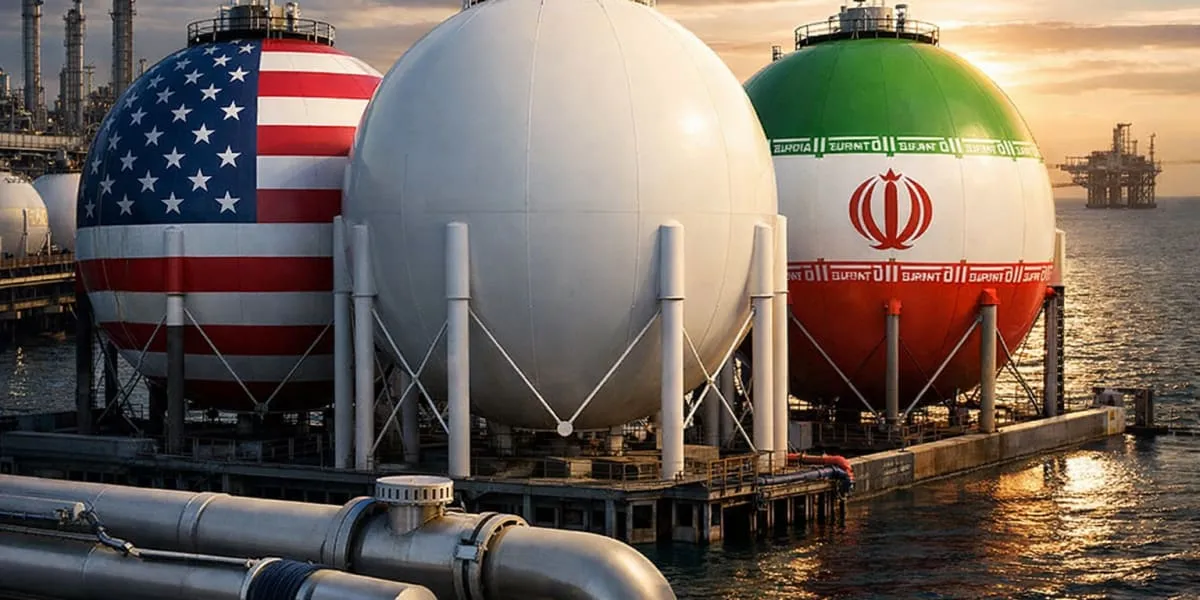
India's liquefied petroleum gas (LPG) import basket underwent a notable shift in May as the United States (US) emerged as the country's largest supplier and Iran re-entered after a seven-year pause, reflecting a wider reshaping of supply chains amid heightened geopolitical tensions. The change came as disruptions in West Asia prompted state and private buyers to seek alternative sources to secure household and industrial fuel deliveries. The movement marks a significant reorientation from long-standing reliance on traditional Gulf suppliers.

Shipments from the US more than doubled to 666,000 tonnes (t) in May compared with February levels, accounting for 55 per cent of India's total imports during the month according to energy cargo tracker Kpler. The increase followed annual purchase agreements signed by Indian state refiners with American suppliers that cover roughly 10 per cent of national LPG requirements, with initial shipments beginning in January. Analysts attributed the acceleration to the near closure of the Strait of Hormuz after attacks and escalations, which prompted buyers to tap alternative routes and cargo sources.

Before the disruption, Saudi Arabia and Kuwait together supplied nearly 90 per cent of India's LPG needs, but their share fell sharply after the conflict escalated on 28 February. In response, New Delhi resumed imports from Iran in March following the earlier halt in energy trade under external pressure, while also sourcing smaller cargoes from non-traditional suppliers such as Australia, Russia, Argentina, Congo, Angola, Nigeria and Cameroon to diversify procurement. The broader supplier mix aimed to strengthen supply security and reduce reliance on any single region.

Iran supplied 145,000 tonnes (t) in May, making it the second-largest supplier and accounting for nearly 12 per cent of overall imports, while overall Indian LPG imports rose by 25 per cent month-on-month in May. The shift has implications for shipping routes, inventory management and domestic pricing, and it underlines the role of long term contracts in ensuring continuity of supply during regional disruptions. Authorities and refiners continue to monitor freight risks and cargo availability as markets adjust.

"Join industry leaders at RAHSTA Expo, India's premier platform for roads, highways and traffic infrastructure. Register now to explore innovations, network with experts and shape the future of mobility."

India's liquefied petroleum gas (LPG) import basket underwent a notable shift in May as the United States (US) emerged as the country's largest supplier and Iran re-entered after a seven-year pause, reflecting a wider reshaping of supply chains amid heightened geopolitical tensions. The change came as disruptions in West Asia prompted state and private buyers to seek alternative sources to secure household and industrial fuel deliveries. The movement marks a significant reorientation from long-standing reliance on traditional Gulf suppliers. Shipments from the US more than doubled to 666,000 tonnes (t) in May compared with February levels, accounting for 55 per cent of India's total imports during the month according to energy cargo tracker Kpler. The increase followed annual purchase agreements signed by Indian state refiners with American suppliers that cover roughly 10 per cent of national LPG requirements, with initial shipments beginning in January. Analysts attributed the acceleration to the near closure of the Strait of Hormuz after attacks and escalations, which prompted buyers to tap alternative routes and cargo sources. Before the disruption, Saudi Arabia and Kuwait together supplied nearly 90 per cent of India's LPG needs, but their share fell sharply after the conflict escalated on 28 February. In response, New Delhi resumed imports from Iran in March following the earlier halt in energy trade under external pressure, while also sourcing smaller cargoes from non-traditional suppliers such as Australia, Russia, Argentina, Congo, Angola, Nigeria and Cameroon to diversify procurement. The broader supplier mix aimed to strengthen supply security and reduce reliance on any single region. Iran supplied 145,000 tonnes (t) in May, making it the second-largest supplier and accounting for nearly 12 per cent of overall imports, while overall Indian LPG imports rose by 25 per cent month-on-month in May. The shift has implications for shipping routes, inventory management and domestic pricing, and it underlines the role of long term contracts in ensuring continuity of supply during regional disruptions. Authorities and refiners continue to monitor freight risks and cargo availability as markets adjust.

Next Story
Products

Window Magic Opens Luxury Fenestration Experience Centre

Window Magic has launched Window Magic Atelier, a luxury fenestration experience centre in New Delhi, alongside WM AURA, its new ultra-luxury range of aluminium window, door and façade systems developed in collaboration with a European architectural systems specialist.The experience centre has been designed as an interactive space for architects, developers, interior designers and homeowners to explore premium aluminium and uPVC fenestration solutions through curated display zones showcasing the company's latest products and design capabilities.The newly launched WM AURA range features alumin..

Next Story
Real Estate

Peninsula Land Launches Villa Plot Project in Alibaug

Peninsula Land has launched Peninsula Estates, Alibaug ONE, an 11-acre plotted development offering 92 villa-ready plots in Alibaug, targeting homebuyers seeking low-density living within reach of Mumbai.The project offers plots ranging from 2,454 sq ft to 5,000 sq ft and is positioned around the concept of enabling buyers to build customised bungalows in one of the Mumbai Metropolitan Region's emerging growth corridors.According to the company, infrastructure projects such as the Mumbai Trans Harbour Link (Atal Setu), the upcoming Navi Mumbai International Airport, the Virar–Alibaug Multimo..

Next Story
Products

Durakraft uPVC Profiles Receive BIS Certification

Durakraft Extrusions has received the Bureau of Indian Standards (BIS) certification for its uPVC profiles used in windows and doors, reinforcing the company's compliance with Indian quality, safety and performance standards.The certification confirms that the company's uPVC profiles meet the prescribed requirements under the relevant Indian Standards, validating its manufacturing processes, quality control systems and regulatory compliance.“BIS certification marks an important milestone, demonstrating Durakraft's commitment to quality products, robust quality systems and manufacturing excel..

Advertisement

Subscribe to Our Newsletter

Get daily newsletters around different themes from Construction world.

STAY CONNECTED

Advertisement

Advertisement

Advertisement