



+
BMC Speeds Up Waste-to-Energy Plant After Delays
WATER & WASTE

BMC Speeds Up Waste-to-Energy Plant After Delays

After facing criticism over delays, the Brihanmumbai Municipal Corporation (BMC) has accelerated efforts to commission the long-awaited waste-to-energy (WTE) plant at Deonar by October 2025. The civic body has also revised its original plan, increasing the plant’s power generation capacity from 4 MW to 7 MW. The facility will process 600 metric tonnes (MT) of waste daily while generating sustainable energy.

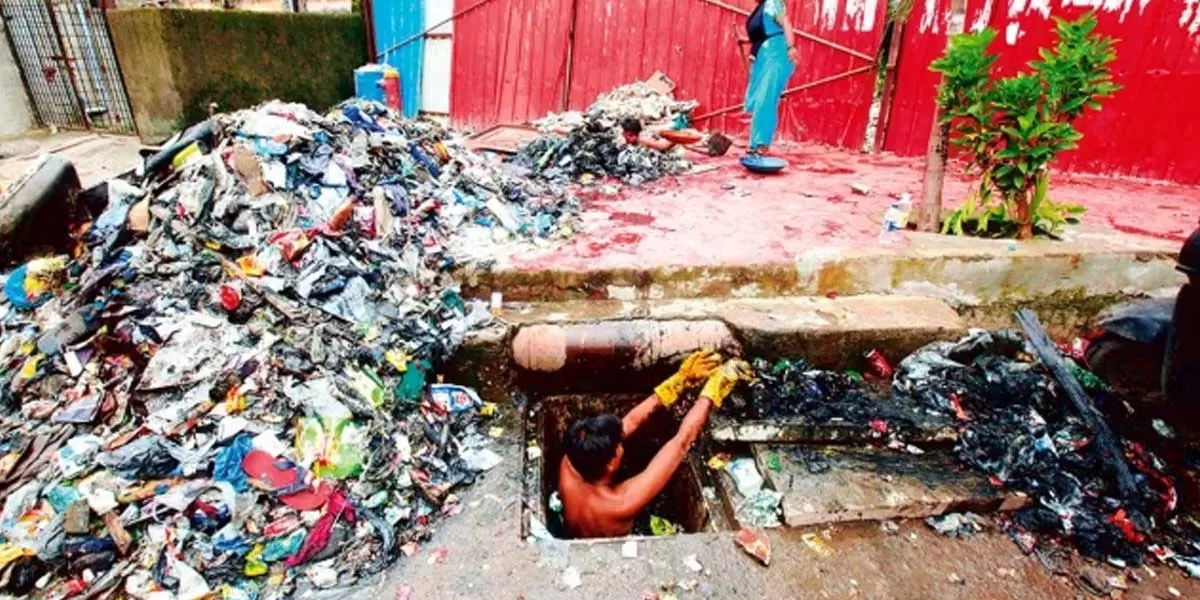
Mumbai produces around 6,300 MT of waste per day, with 10% still being dumped at the Deonar landfill, which spans 311 acres and has been in use since 1927. The BMC has requested the Revenue Department’s chief secretary to allocate part of the landfill for its use, while the rest will be reserved for the Dharavi Redevelopment Project.

The WTE plant is a critical step toward addressing the nearly 20 million MT of waste accumulated at Deonar. However, the project has faced setbacks, including a failed attempt to attract bidders for processing 3,000 MT of waste per day. After nearly six years of delays, construction finally began in June 2022.

M/s Chennai MSW Pvt Ltd was awarded the Rs 6.48 billion contract, which includes a 40-month design and build phase and a 15-year operation and maintenance period. The project was criticized in a special audit report by the Comptroller and Auditor General (CAG) for BMC’s lack of monitoring and prolonged delays in obtaining necessary approvals.

After facing criticism over delays, the Brihanmumbai Municipal Corporation (BMC) has accelerated efforts to commission the long-awaited waste-to-energy (WTE) plant at Deonar by October 2025. The civic body has also revised its original plan, increasing the plant’s power generation capacity from 4 MW to 7 MW. The facility will process 600 metric tonnes (MT) of waste daily while generating sustainable energy. Mumbai produces around 6,300 MT of waste per day, with 10% still being dumped at the Deonar landfill, which spans 311 acres and has been in use since 1927. The BMC has requested the Revenue Department’s chief secretary to allocate part of the landfill for its use, while the rest will be reserved for the Dharavi Redevelopment Project. The WTE plant is a critical step toward addressing the nearly 20 million MT of waste accumulated at Deonar. However, the project has faced setbacks, including a failed attempt to attract bidders for processing 3,000 MT of waste per day. After nearly six years of delays, construction finally began in June 2022. M/s Chennai MSW Pvt Ltd was awarded the Rs 6.48 billion contract, which includes a 40-month design and build phase and a 15-year operation and maintenance period. The project was criticized in a special audit report by the Comptroller and Auditor General (CAG) for BMC’s lack of monitoring and prolonged delays in obtaining necessary approvals.

Related Stories

Gold Stories

Next Story
Infrastructure Urban

KONE Opens India's First Digital Experience Centre in Pune

KONE, a global elevator and escalator manufacturer, has inaugurated its first Digital Experience Centre (DEC) in India, located in Pune. The facility aims to showcase how artificial intelligence (AI), connectivity and data-driven technologies can enhance customer experiences and improve building operations.The centre was inaugurated by Jussi Herlin, Executive Vice Chair, KONE Corporation; Philippe Delorme, President and CEO, KONE; and Nandan Nilekani, Co-founder and Chairman of the Board, Infosys.Designed as an interactive customer environment, the facility demonstrates digital solutions cover..

Next Story
Infrastructure Urban

CII GreenCo Launches Circularity Guidelines for Indian Industry

The Confederation of Indian Industry (CII) GreenCo Council has launched the CII GreenCo Circularity Guidelines – Pilot Version at the 17th CII GreenCo Waste & Resource Management Summit 2026 in Chennai. The initiative aims to strengthen resource efficiency, waste reduction and circular economy practices across Indian manufacturing and process industries.The guidelines introduce a structured framework with circularity indices covering raw materials, consumables, packaging and other resource inputs. These indicators will help industries assess existing practices, identify opportunities to ..

Next Story
Infrastructure Energy

Global Electronics Association Launches IPC-1783-CO2E Standard

The Global Electronics Association has introduced IPC-1783-CO2E, a new international standard aimed at improving consistency, transparency and comparability in product carbon footprint reporting across the electronics manufacturing industry.The standard, titled International Standard for Data Collection and Reporting of CO2 Equivalent (CO2e) Emissions for the Electronics Manufacturing Supply Chain, provides industry-specific guidance for collecting, estimating and reporting carbon emissions data.With increasing regulatory requirements and customer expectations, electronics manufacturers face c..

Advertisement

Subscribe to Our Newsletter

Get daily newsletters around different themes from Construction world.

STAY CONNECTED

Advertisement

SPECIAL OFFER
QR Code