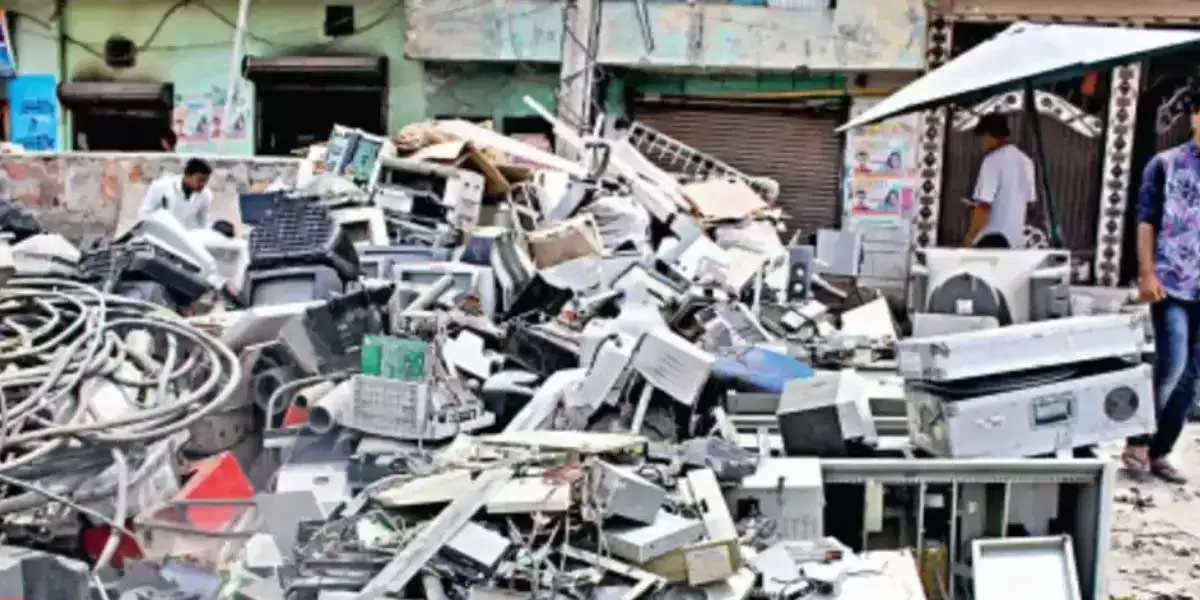
Cuttack Corporation plans eco park for e-waste recycling
WATER & WASTE

Cuttack Corporation plans eco park for e-waste recycling

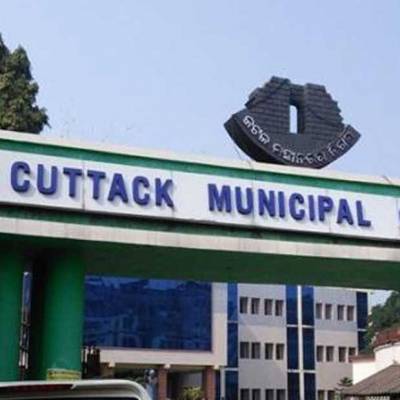
The Cuttack Municipal Corporation announced its plans to establish an eco park aimed at facilitating the recycling of electronic waste (e-waste) by the end of June. It was stated by the CMC commissioner Bijay Dash that at the eco park, environmentally hazardous waste such as e-waste and other waste would be recycled, and the precious metals from the waste would be retrieved for reuse.

Dash mentioned that the city's e-waste had seen a rapid increase due to the pervasive presence of technology and gadgets in daily life, leading to high waste generation. However, he noted the absence of a proper platform for dumping or recycling this waste. He further stated that land had been identified for the purpose, a design had been finalised, and a team had been engaged to carry out the construction work. The construction was in its final stages, and the eco park was expected to commence operations by the end of June.

According to Dash, the eco park would receive all types of electronic waste, and a recycling plant had been set up to process the materials. He emphasized that within the park, the e-waste would be dismantled, refurbished, recycled, and manufactured in a manner that was both scientifically and environmentally sound, ensuring proper reuse.

The establishment of this e-waste eco park was anticipated to significantly reduce the pollution caused by e-waste in the city.

Additionally, recent articles were published, including one detailing a method for extracting gold from e-waste using old milk. It was reported that scientists at ETH Zurich had developed an innovative method utilising milk-derived aerogel for extracting gold from e-waste, presenting a sustainable solution. This advancement not only revolutionized gold recovery but also aligned with principles of the circular economy for responsible waste management.

The Cuttack Municipal Corporation announced its plans to establish an eco park aimed at facilitating the recycling of electronic waste (e-waste) by the end of June. It was stated by the CMC commissioner Bijay Dash that at the eco park, environmentally hazardous waste such as e-waste and other waste would be recycled, and the precious metals from the waste would be retrieved for reuse. Dash mentioned that the city's e-waste had seen a rapid increase due to the pervasive presence of technology and gadgets in daily life, leading to high waste generation. However, he noted the absence of a proper platform for dumping or recycling this waste. He further stated that land had been identified for the purpose, a design had been finalised, and a team had been engaged to carry out the construction work. The construction was in its final stages, and the eco park was expected to commence operations by the end of June. According to Dash, the eco park would receive all types of electronic waste, and a recycling plant had been set up to process the materials. He emphasized that within the park, the e-waste would be dismantled, refurbished, recycled, and manufactured in a manner that was both scientifically and environmentally sound, ensuring proper reuse. The establishment of this e-waste eco park was anticipated to significantly reduce the pollution caused by e-waste in the city. Additionally, recent articles were published, including one detailing a method for extracting gold from e-waste using old milk. It was reported that scientists at ETH Zurich had developed an innovative method utilising milk-derived aerogel for extracting gold from e-waste, presenting a sustainable solution. This advancement not only revolutionized gold recovery but also aligned with principles of the circular economy for responsible waste management.

Next Story
Infrastructure Transport

MMRDA advances 250 m on Orange Gate–Marine Drive tunnel

The Mumbai Metropolitan Region Development Authority (MMRDA) has completed 250 m of underground tunnelling for the Orange Gate–Marine Drive Urban Road Tunnel using India’s largest slurry shield tunnel boring machine (TBM) deployed for an urban road project.The project involves twin tunnels extending over 7 km beneath critical transport corridors, including Central Railway, Western Railway and Metro Line 3. The work requires high-precision engineering to navigate densely developed urban infrastructure.Once completed, the tunnel is expected to reduce travel time between Orange Gate and Marin..

Next Story
Infrastructure Urban

Hindustan Zinc Pays Rs 188.46 Billion in FY26

Hindustan Zinc contributed Rs 188.46 billion to the public exchequer in FY 2025-26, according to its 9th Tax Transparency Report. The contribution, equivalent to 46 per cent of the company’s revenue, included direct and indirect taxes, government royalties, dividends to the Government of India, withholding taxes and other statutory levies.The company’s five-year cumulative contribution to the exchequer stood at Rs 915.72 billion. In FY26, Hindustan Zinc reported revenue of Rs 408.44 billion, EBITDA of Rs 221.62 billion and profit after tax of Rs 138.32 billion. It also achieved its highest..

Next Story
Infrastructure Urban

World of Concrete India 2026 Opens in Mumbai

Informa Markets in India will host the 12th edition of World of Concrete India 2026 from 3–5 June 2026 at the Bombay Exhibition Centre, Mumbai. The specialised B2B exhibition will bring together manufacturers, suppliers, contractors, developers, architects, consultants, infrastructure companies, project leaders and government stakeholders.The event is expected to feature over 350 brands and more than 18,000 trade professionals. It will cover concrete and cement, dry mortar, precast technologies, formwork, construction chemicals, industrial and commercial flooring, scaffolding, safety solutio..

Advertisement

Subscribe to Our Newsletter

Get daily newsletters around different themes from Construction world.

STAY CONNECTED

Advertisement

Advertisement

Advertisement