
+
Delhi To Expand Biomedical Waste Treatment Capacity
WATER & WASTE

Delhi To Expand Biomedical Waste Treatment Capacity

Delhi authorities have announced plans to establish additional biomedical waste treatment plants to ease the burden on existing facilities and improve handling of infectious refuse. The move is intended to enhance capacity across the city and to ensure more timely processing of waste generated by hospitals, clinics and diagnostic centres. Officials indicated that the initiative will include site identification, upgrades to transportation logistics and strengthened oversight to reduce environmental and public health risks.

City administrators explained that existing plants have been operating near maximum capacity for some time, leading to backlogs during peak periods and added strain on collection services. The proposed expansion is expected to distribute processing load more evenly and to shorten the time between collection and safe disposal. Planners will assess environmental clearances, capacity requirements and community impact before finalising locations and operational timelines.

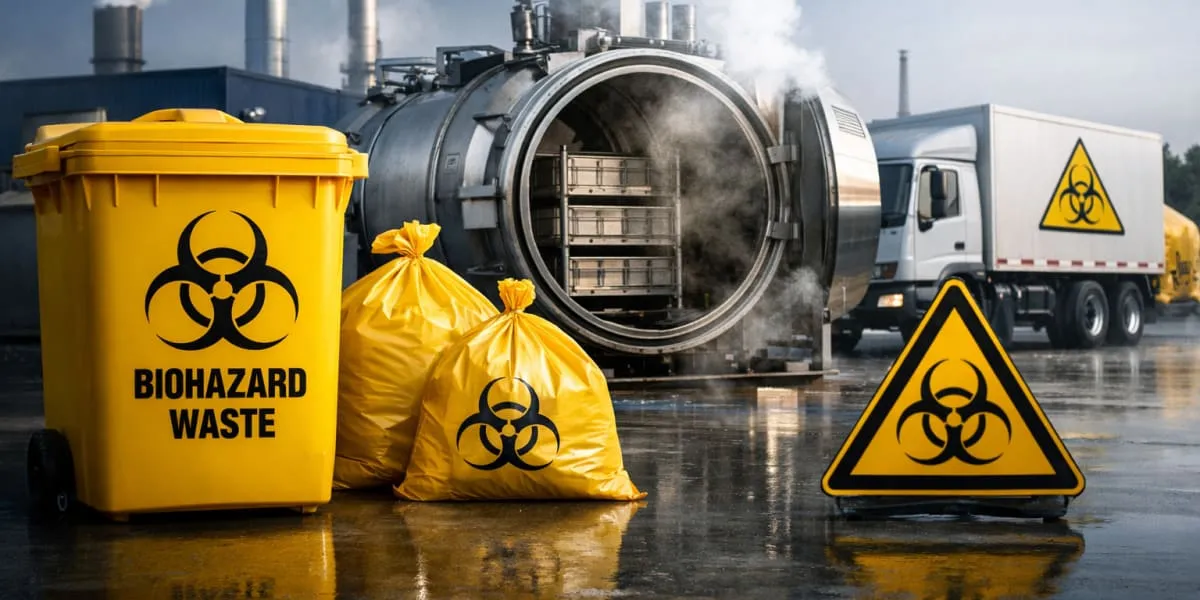
Health department officials have reviewed treatment technologies and are inclined to adopt systems that combine autoclaving, chemical disinfection and secure incineration where necessary to meet regulatory norms and reduce hazardous emissions. The move will be accompanied by increased training for waste handlers and stricter monitoring of segregation at source to prevent infectious material entering general refuse streams. Authorities also plan to engage private contractors under transparent bidding to fast track construction and commissioning of new units.

Community representatives will be consulted to address local concerns about traffic, noise and emissions and to ensure that safety protocols and grievance redressal mechanisms are in place before operations begin. Officials said periodic audits and public reporting will be used to maintain transparency and to build public confidence in biomedical waste management across municipal zones. If implemented as planned, the expansion is expected to improve public health outcomes, reduce illegal dumping and enhance resilience of the city's healthcare infrastructure during health emergencies.

Delhi authorities have announced plans to establish additional biomedical waste treatment plants to ease the burden on existing facilities and improve handling of infectious refuse. The move is intended to enhance capacity across the city and to ensure more timely processing of waste generated by hospitals, clinics and diagnostic centres. Officials indicated that the initiative will include site identification, upgrades to transportation logistics and strengthened oversight to reduce environmental and public health risks. City administrators explained that existing plants have been operating near maximum capacity for some time, leading to backlogs during peak periods and added strain on collection services. The proposed expansion is expected to distribute processing load more evenly and to shorten the time between collection and safe disposal. Planners will assess environmental clearances, capacity requirements and community impact before finalising locations and operational timelines. Health department officials have reviewed treatment technologies and are inclined to adopt systems that combine autoclaving, chemical disinfection and secure incineration where necessary to meet regulatory norms and reduce hazardous emissions. The move will be accompanied by increased training for waste handlers and stricter monitoring of segregation at source to prevent infectious material entering general refuse streams. Authorities also plan to engage private contractors under transparent bidding to fast track construction and commissioning of new units. Community representatives will be consulted to address local concerns about traffic, noise and emissions and to ensure that safety protocols and grievance redressal mechanisms are in place before operations begin. Officials said periodic audits and public reporting will be used to maintain transparency and to build public confidence in biomedical waste management across municipal zones. If implemented as planned, the expansion is expected to improve public health outcomes, reduce illegal dumping and enhance resilience of the city's healthcare infrastructure during health emergencies.

Next Story
Equipment

Kabelschlepp India Installs Robotic VMC in Bengaluru

Kabelschlepp India, part of the Tsubaki Group, has installed a state-of-the-art Vertical Machining Center (VMC) integrated with robotic automation at its Bengaluru facility. The inauguration was held in the presence of Henning Preis, President & CEO, Kabelschlepp Group, Jörg Schulz, Vice President – Production, and Srinivas P. Kamisetty, Managing Director, Kabelschlepp India.The high-precision CNC VMC is designed for advanced milling, drilling, tapping and multi-axis machining. Equipped with a vertical spindle orientation, automatic tool changer and intelligent CNC control system, it en..

Next Story
Infrastructure Transport

Highway Delivery Reset!

Project delays and inefficiencies continue to bedevil the progress of India’s National Highways network. A multi-pronged reform agenda is needed to inject greater transparency and accountability at every stage – from planning and procurement to execution, maintenance and oversight. This article offers key recommendations and reform strategies that government stakeholders – from the Ministry of Road Transport & Highways (MoRTH) and the National Highways Authority of India (NHAI) to state agencies and oversight bodies – should pursue to put highway development on a better track.Decen..

Next Story
Infrastructure Transport

MSIDC Executes ₹37,000 Crore Road Programme

With Rs 37,000 crore worth of road projects under execution across Maharashtra, Maharashtra State Infrastructure Development Corporation (MSIDC) is driving one of the state’s largest infrastructure programmes. Dr Brijesh Dixit, Managing Director, discusses the institutional reforms, execution frameworks, financing strategies and technology adoption enabling timely, high-quality delivery, in conversation with PRATAP PADODE, Editor-in-Chief, CW.With over Rs 37,000 crore worth of road projects underway across districts – many under tight timelines – what institutional and executio..

Advertisement

Subscribe to Our Newsletter

Get daily newsletters around different themes from Construction world.

STAY CONNECTED

Advertisement

Advertisement

Advertisement

Open In App