Govt efforts to turn water conservation into a mass movement
WATER & WASTE

Govt efforts to turn water conservation into a mass movement

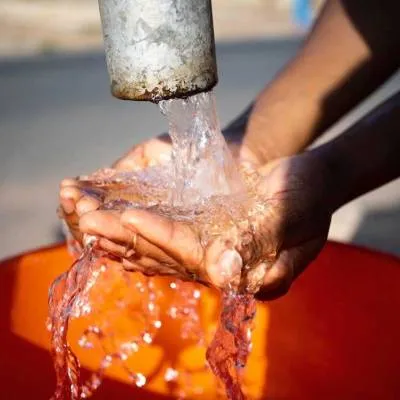
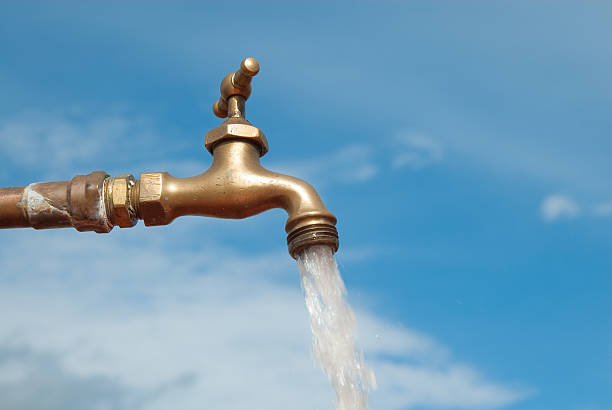
The government led by Prime Minister Narendra Modi is making efforts toward water conservation, making it a mass movement of its own.

The government led by PM Modi has taken multiple steps in forming a focused ministry for water resources to execute a holistic conservation approach.

The government has supported an innovative approach towards schemes with the Pradhan Mantri Krishi Sinchai Yojana (PMKSY), Per Drop More Crop, Namami Gange, and Jal Jeevan Mission (JJM), apart from the river interlinking projects.

Around 90 million households have been provided with similar water connections over the last two years alone with the Jal Jeevan Mission’s launch in 2019, reported Oman Observer.

In 100 districts, around 125,000 villages can boast of adequate infrastructure to have enabled water supply in every household. The newly-launched campaign Catch the Rain is an interesting initiative to support such conservation. Simply put, to design public awareness programs and special action plans for rainwater conservation in the country, the focus is laid on providing arrangements for rainwater harvesting before the onset of the monsoon.

Tree plantation, cleaning, puddle construction, and other awareness-related drives are conducted as part of this campaign to make a mass movement of its own.

Efforts have been made to make proper and judicious water use via the dam safety rehabilitation programs. With about 5000-odd dams in India, these infrastructural tools have the power to play a significant economic, political, geographical, and social role in the region.

However, due to the lack of regular maintenance until now, water was wasted and improperly utilised, life and property were at risk, villages were inundated, and crops were damaged. With that in mind, a Dam Safety Bill has also received approval from the Indian Parliament to ensure that adequate steps towards safety are undertaken, along with better utilisation of water resources.

Image Source

"Join industry leaders at RAHSTA Expo, India's premier platform for roads, highways and traffic infrastructure. Register now to explore innovations, network with experts and shape the future of mobility."

The government led by Prime Minister Narendra Modi is making efforts toward water conservation, making it a mass movement of its own. The government led by PM Modi has taken multiple steps in forming a focused ministry for water resources to execute a holistic conservation approach. The government has supported an innovative approach towards schemes with the Pradhan Mantri Krishi Sinchai Yojana (PMKSY), Per Drop More Crop, Namami Gange, and Jal Jeevan Mission (JJM), apart from the river interlinking projects. Around 90 million households have been provided with similar water connections over the last two years alone with the Jal Jeevan Mission’s launch in 2019, reported Oman Observer. In 100 districts, around 125,000 villages can boast of adequate infrastructure to have enabled water supply in every household. The newly-launched campaign Catch the Rain is an interesting initiative to support such conservation. Simply put, to design public awareness programs and special action plans for rainwater conservation in the country, the focus is laid on providing arrangements for rainwater harvesting before the onset of the monsoon. Tree plantation, cleaning, puddle construction, and other awareness-related drives are conducted as part of this campaign to make a mass movement of its own. Efforts have been made to make proper and judicious water use via the dam safety rehabilitation programs. With about 5000-odd dams in India, these infrastructural tools have the power to play a significant economic, political, geographical, and social role in the region. However, due to the lack of regular maintenance until now, water was wasted and improperly utilised, life and property were at risk, villages were inundated, and crops were damaged. With that in mind, a Dam Safety Bill has also received approval from the Indian Parliament to ensure that adequate steps towards safety are undertaken, along with better utilisation of water resources. Image Source

Next Story
Infrastructure Energy

Centre Prioritising Energy Security With Coal Gasification

Union minister for Coal and Mines G Kishan Reddy said the Centre is prioritising energy security through a strategic shift to coal gasification and has announced incentives totalling Rs 460 billion (bn) to support the effort. He said more than 35 companies will start coal gasification activities in India within two months and that the government is encouraging firms that bring technology to close the domestic technology gap. The minister described the initiative as aimed at reducing import dependence and developing indigenous capacity. India has the fifth-largest coal reserve in the world, and..

Next Story
Infrastructure Urban

BHEL and Coal India Invest Rs 250 bn in Odisha Gasification

Bharat Heavy Electricals (BHEL) and Coal India (CIL) are jointly investing Rs 250 billion in a coal gasification project in Odisha, with the Prime Minister laying the foundation stone in Jharsuguda. Union Coal and Mines Minister G Kishan Reddy described the initiative as a transformative shift in coal utilisation that will open industrial avenues for the state. The project moves coal beyond conventional power generation to industrial feedstocks. Coal gasification will convert coal into synthesis gas, a versatile feedstock for chemicals, fertilisers and synthetic fuels, and the technology is ex..

Next Story
Infrastructure Energy

BCCL Hands Over Dugdha Coal Washery To JSW Steel

Bharat Coking Coal has handed over the Dugdha Coal Washery to JSW Steel, marking the first coal washery asset monetisation under the Ministry of Coal's asset monetisation programme. The handover took place in the presence of senior officials from Bharat Coking Coal Ltd, JSW Steel and JSW Energy. The washery has a capacity of two million tonnes per annum (mn t per annum), and its transfer is intended to introduce private sector practices into coal beneficiation operations. The monetisation is aimed at modernising coal sector assets, improving operational efficiency and enhancing resource utilis..

Advertisement

Subscribe to Our Newsletter

Get daily newsletters around different themes from Construction world.

STAY CONNECTED

Advertisement

Advertisement

Advertisement