Lucknow Passes Rs 43 Billion Budget with Focus on Cleanliness
WATER & WASTE

Lucknow Passes Rs 43 Billion Budget with Focus on Cleanliness

The Lucknow Municipal Corporation (LMC) approved a Rs 43.04 billion budget for FY 2025–26, placing top priority on sanitation, waste management, civic amenities, and digital governance. Despite protests and repeated adjournments, the budget was passed with majority support in the House.

Sanitation and waste management received the lion’s share of the allocation. The estimated expenditure stands at Rs 33.07 billion, offering enough headroom for further development initiatives.

Mayor Sushma Kharakwal and municipal commissioner Inderjit Singh announced a voluntary cut in their discretionary funds. Meanwhile, the ward-wise fund for corporators was increased from Rs 15 million to Rs 21 million (inclusive of GST), aimed at expediting infrastructure works at the grassroots level.

Each ward will receive Rs 15 million for road repairs, Rs 1 million each for patchwork, culvert repair, and street lighting, Rs 500,000 for fogging and pesticide spraying, Rs 500,000 for handcart purchases, Rs 1 million for e-rickshaws and funeral refrigerators, and Rs 1 million for park maintenance.

Protest over Process The budget session was disrupted by dramatic scenes. BJP corporator Mukesh Singh Monty tore a copy of the budget, alleging that the Mayor bypassed the executive committee. “This resolution is fake and illegal,” he shouted while holding a picture of Dr BR Ambedkar. Congress corporators joined in, staging a sit-in inside the well of the House.

In response, Mayor Kharakwal condemned the act, calling the budget a collective decision. She said she would escalate the issue to BJP leadership and demanded an apology. The House was adjourned twice but ultimately passed the budget.

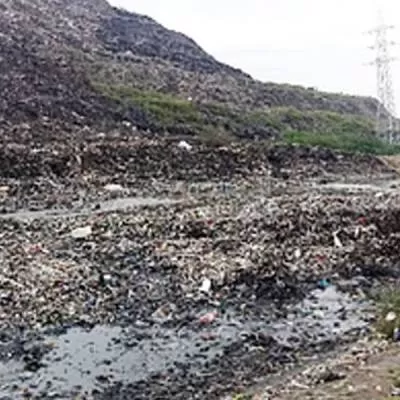
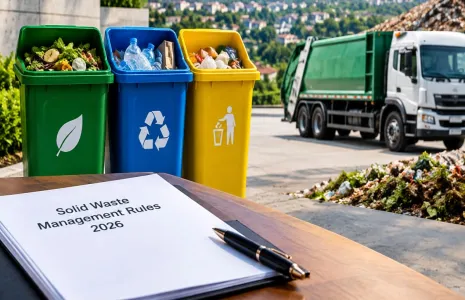
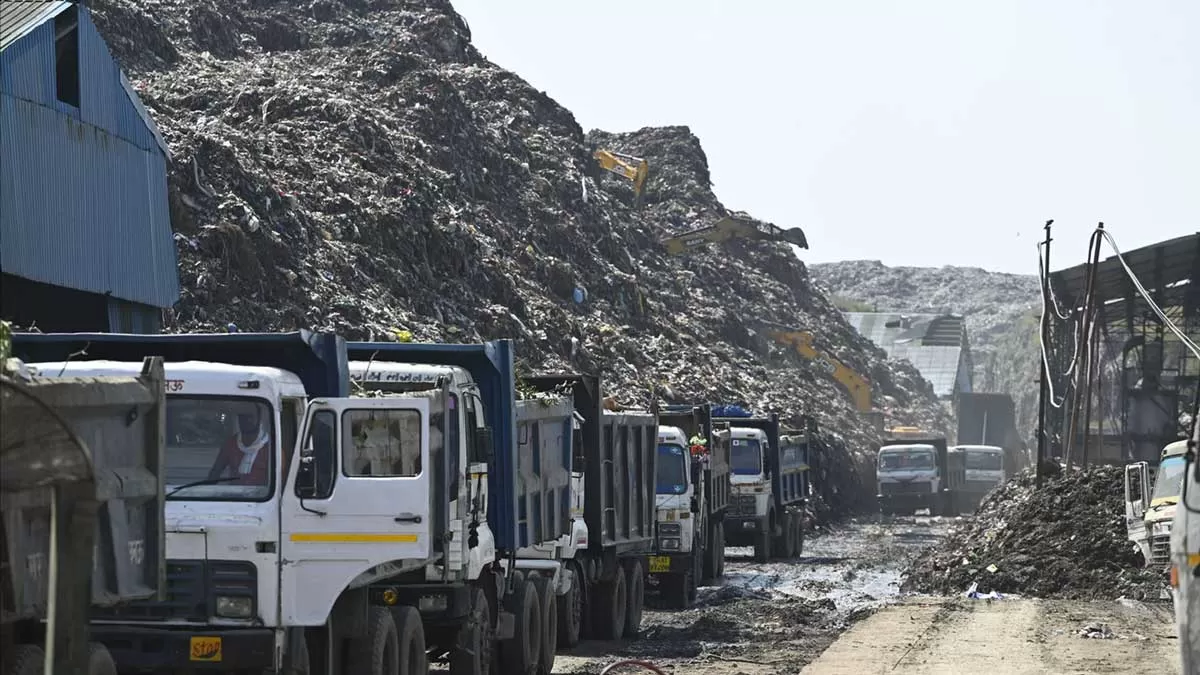
Waste Management Overhaul The sanitation sector, receiving the highest allocation, is set for a revamp. The LMC plans to float a new tender after terminating its contract with a private waste agency for non-compliance and sub-letting work. The new plan includes improving door-to-door collection, solid waste segregation, and upgrading waste transfer stations.

To ensure better revenue, LMC is also considering linking user charges for waste collection with house tax.

BJP corporator Prithvi Gupta raised concerns over poor garbage lifting in his ward, prompting the Mayor to demand answers from the zonal in-charge.

Boost for Parks, Schools, and E-Governance Urban development has received a boost. The e-governance allocation was doubled from Rs 20 million to Rs 40 million to promote digital service delivery. Cremation grounds got a tenfold increase—from Rs 1 million to Rs 10 million. Parks will receive Rs 60 million, up from Rs 20 million, and civic schools will benefit from Rs 50 million in funding, a fivefold rise.

Separate Budget for Jalkal Department The Jalkal department, which manages water supply and sewerage, will operate with a separate Rs 4.07 billion budget. Officials project a surplus of Rs 14.9 million, thanks to improved online billing and controlled expenses.

Out of the total, Rs 2.53 billion is earmarked for operations, salaries, and chemicals used in water treatment. The remaining Rs 1.52 billion will be spent on capital works and energy bills.

Despite overall support, corporators like BJP’s Sushil Kumar Tiwari ‘Pammi’ voiced concerns about unfair fund distribution. Mayor Kharakwal acknowledged the civic body’s Rs 5.5 billion liability and underscored the need for financial discipline.

The Lucknow Municipal Corporation (LMC) approved a Rs 43.04 billion budget for FY 2025–26, placing top priority on sanitation, waste management, civic amenities, and digital governance. Despite protests and repeated adjournments, the budget was passed with majority support in the House. Sanitation and waste management received the lion’s share of the allocation. The estimated expenditure stands at Rs 33.07 billion, offering enough headroom for further development initiatives. Mayor Sushma Kharakwal and municipal commissioner Inderjit Singh announced a voluntary cut in their discretionary funds. Meanwhile, the ward-wise fund for corporators was increased from Rs 15 million to Rs 21 million (inclusive of GST), aimed at expediting infrastructure works at the grassroots level. Each ward will receive Rs 15 million for road repairs, Rs 1 million each for patchwork, culvert repair, and street lighting, Rs 500,000 for fogging and pesticide spraying, Rs 500,000 for handcart purchases, Rs 1 million for e-rickshaws and funeral refrigerators, and Rs 1 million for park maintenance. Protest over Process The budget session was disrupted by dramatic scenes. BJP corporator Mukesh Singh Monty tore a copy of the budget, alleging that the Mayor bypassed the executive committee. “This resolution is fake and illegal,” he shouted while holding a picture of Dr BR Ambedkar. Congress corporators joined in, staging a sit-in inside the well of the House. In response, Mayor Kharakwal condemned the act, calling the budget a collective decision. She said she would escalate the issue to BJP leadership and demanded an apology. The House was adjourned twice but ultimately passed the budget. Waste Management Overhaul The sanitation sector, receiving the highest allocation, is set for a revamp. The LMC plans to float a new tender after terminating its contract with a private waste agency for non-compliance and sub-letting work. The new plan includes improving door-to-door collection, solid waste segregation, and upgrading waste transfer stations. To ensure better revenue, LMC is also considering linking user charges for waste collection with house tax. BJP corporator Prithvi Gupta raised concerns over poor garbage lifting in his ward, prompting the Mayor to demand answers from the zonal in-charge. Boost for Parks, Schools, and E-Governance Urban development has received a boost. The e-governance allocation was doubled from Rs 20 million to Rs 40 million to promote digital service delivery. Cremation grounds got a tenfold increase—from Rs 1 million to Rs 10 million. Parks will receive Rs 60 million, up from Rs 20 million, and civic schools will benefit from Rs 50 million in funding, a fivefold rise. Separate Budget for Jalkal Department The Jalkal department, which manages water supply and sewerage, will operate with a separate Rs 4.07 billion budget. Officials project a surplus of Rs 14.9 million, thanks to improved online billing and controlled expenses. Out of the total, Rs 2.53 billion is earmarked for operations, salaries, and chemicals used in water treatment. The remaining Rs 1.52 billion will be spent on capital works and energy bills. Despite overall support, corporators like BJP’s Sushil Kumar Tiwari ‘Pammi’ voiced concerns about unfair fund distribution. Mayor Kharakwal acknowledged the civic body’s Rs 5.5 billion liability and underscored the need for financial discipline.

Next Story
Real Estate

AI: The New Recruit

From getting ideas to evaluating designs, presenting concepts to clients and tracking projects, artificial intelligence (AI) is helping architects work better and faster.“AI allows architects to spend more time doing what only they can do: think critically, synthesise complexity and design with intent,” says Dikshu C Kukreja, Managing Principal, CP Kukreja Architects. “Every minute reclaimed from repetitive processes can be invested in creativity, contextual understanding, interdisciplinary collaboration and innovation – the qualities that define meaningful architecture.”To read the ..

Next Story
Real Estate

Redevelopment 2.0

In 2017, Mumbai identified 160,000 ageing buildings due for structural audit. Close to half of these were in the Western Suburbs. Redeveloping the oldest and structurally weakest of these would help unlock new housing, much needed given the city’s growing population density and constant developed area of 437.7 sq km. At 30,600 people per sq km in 2024, Mumbai’s density was almost thrice that of Gurugram, and 60 per cent higher than Bengaluru’s.Essentially, Mumbai’s realty market has demand. It has capital. It has realty development potential.Fast forward to 2026. Mumbai has 1,094 regis..

Next Story
Technology

Cost intelligence will become a strategic contributor to project success

As India's construction industry accelerates its digital transformation, integrated platforms, AI and connected data are becoming essential to improving cost certainty, project efficiency and sustainability. Ravi Kumar, Sales Director – India, RIB Software India, shares how digital workflows are reshaping project planning, commercial management and decision-making across the construction value chain.India's construction sector is embracing digital technologies at an unprecedented pace. From your perspective, what are the biggest shifts driving this transformation and how is RIB Software enab..

Advertisement

Subscribe to Our Newsletter

Get daily newsletters around different themes from Construction world.

STAY CONNECTED

Advertisement

Advertisement

Advertisement