Punjab Floods Not Linked To Poor Reservoir Management: Centre
WATER & WASTE

Punjab Floods Not Linked To Poor Reservoir Management: Centre

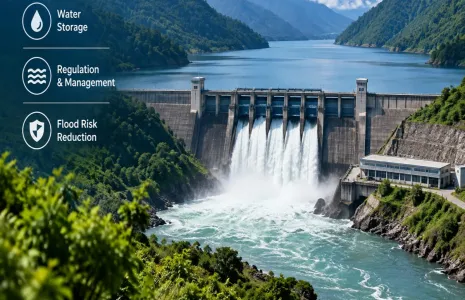
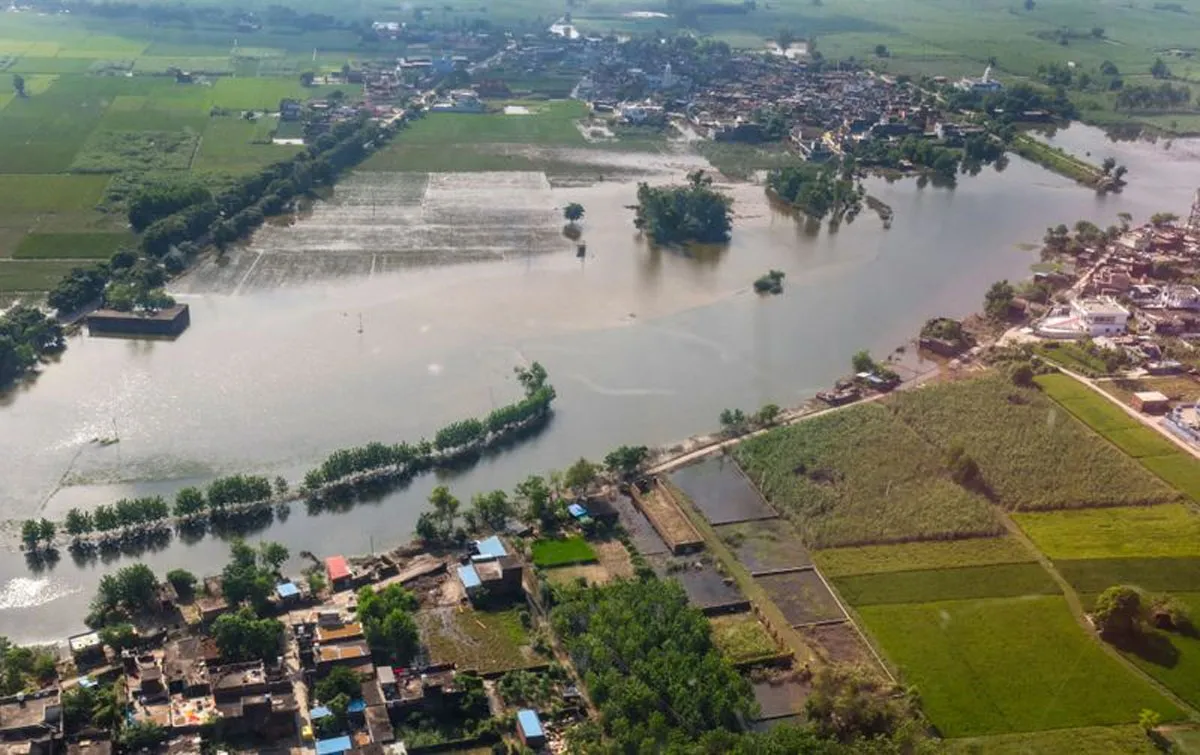
The Central Government has clarified that the recent floods in Punjab were not exacerbated by poor reservoir management at the Pong and Bhakra dams. In 2025, intense rainfall across the catchments of both reservoirs led to substantial inflows of 349,522 cusecs into Pong and 190,603 cusecs into Bhakra.

Reservoir operations were carried out with the objective of maximising flood moderation. Releases were made in accordance with decisions taken by the Technical Committee, which includes representatives from Punjab, Haryana and Rajasthan, along with officials from the Central Water Commission and the Bhakra Beas Management Board. All decisions adhered to the approved rule curve, dam safety requirements and the limited carrying capacity of the Sutlej and Beas rivers downstream. A minimum advance notice of 24 hours is issued before any release from the dams.

The reservoirs maintained adequate buffer storage before the onset of the monsoon, with levels remaining within the normal range.

State Governments are responsible for flood management measures such as strengthening embankments and improving local drainage networks.

Under the Dam Safety Act 2021, the National Dam Safety Authority has directed dam owners to develop early warning systems and ensure real-time sharing of hydrological and meteorological data. Dam operators are required to submit inflow and outflow data every three hours to relevant authorities.

The Act also mandates coordinated operation of cascading dams. Accordingly, the Authority has issued directions to State Dam Safety Organisations and owners of specified dams to maintain effective communication and follow approved rule curves strictly, particularly during high flood periods.

The Ministry of Jal Shakti has encouraged States to implement flood plain zoning as a non-structural approach to flood management. Technical guidelines on flood plain zoning were circulated to all States and Union Territories in August 2025.

The existing Technical Committee mechanism continues to serve as a joint framework between the Centre and States for regulating and managing reservoir operations.

The information was provided by the Minister of State for Jal Shakti, Shri Raj Bhushan Choudhary, in a written reply in the Rajya Sabha.

The Central Government has clarified that the recent floods in Punjab were not exacerbated by poor reservoir management at the Pong and Bhakra dams. In 2025, intense rainfall across the catchments of both reservoirs led to substantial inflows of 349,522 cusecs into Pong and 190,603 cusecs into Bhakra. Reservoir operations were carried out with the objective of maximising flood moderation. Releases were made in accordance with decisions taken by the Technical Committee, which includes representatives from Punjab, Haryana and Rajasthan, along with officials from the Central Water Commission and the Bhakra Beas Management Board. All decisions adhered to the approved rule curve, dam safety requirements and the limited carrying capacity of the Sutlej and Beas rivers downstream. A minimum advance notice of 24 hours is issued before any release from the dams. The reservoirs maintained adequate buffer storage before the onset of the monsoon, with levels remaining within the normal range. State Governments are responsible for flood management measures such as strengthening embankments and improving local drainage networks. Under the Dam Safety Act 2021, the National Dam Safety Authority has directed dam owners to develop early warning systems and ensure real-time sharing of hydrological and meteorological data. Dam operators are required to submit inflow and outflow data every three hours to relevant authorities. The Act also mandates coordinated operation of cascading dams. Accordingly, the Authority has issued directions to State Dam Safety Organisations and owners of specified dams to maintain effective communication and follow approved rule curves strictly, particularly during high flood periods. The Ministry of Jal Shakti has encouraged States to implement flood plain zoning as a non-structural approach to flood management. Technical guidelines on flood plain zoning were circulated to all States and Union Territories in August 2025. The existing Technical Committee mechanism continues to serve as a joint framework between the Centre and States for regulating and managing reservoir operations. The information was provided by the Minister of State for Jal Shakti, Shri Raj Bhushan Choudhary, in a written reply in the Rajya Sabha.

Next Story
Infrastructure Urban

Atal Bhujal Pilot Shows Gains In Karnataka Water Management

Atal Bhujal Yojana, introduced as a pilot initiative for participatory groundwater management, was implemented in priority water-stressed regions across seven States. In Karnataka, the programme covered 1,199 Gram Panchayats across 14 districts, including Bagalkot, Belagavi, Bengaluru Rural, Chamarajanagar, Chikkaballapur, Chikkamagaluru, Chitradurga, Davanagere, Gadag, Hassan, Kolar, Ramanagara, Tumakuru and Vijayanagar. The pilot has significantly improved groundwater governance through sustained community involvement. The establishment of Participatory Groundwater Management Committees, th..

Next Story
Infrastructure Urban

India Expands Digital Tools For Groundwater And Water Mapping

Atal Bhujal Yojana, a community-led groundwater management initiative, was implemented as a pilot across 8,203 priority water-stressed Gram Panchayats in seven States — Gujarat, Haryana, Karnataka, Madhya Pradesh, Maharashtra, Rajasthan and Uttar Pradesh. The scheme sought to improve groundwater management through community participation and demand-side interventions, reinforcing sustainability by strengthening institutions, governance frameworks and offering incentives for conservation at grassroots level. Under the Jal Shakti Abhiyan: Catch the Rain (JSA: CTR) campaign, overseen by the Mi..

Next Story
Infrastructure Urban

Maharashtra Reports Steady Progress On Water Conservation Efforts

Water is a State subject, and the responsibility for the conservation, planning, implementation, funding and execution of water resource management lies primarily with State Governments. The Central Government plays a supplementary role, supporting State-led initiatives. According to information provided by the Government of Maharashtra, the State has been consistently reviewing the progress of its Jal Sanchay Jan Bhagidari initiatives, including the Jal Shakti Abhiyan and the Amrit Sarovar programme. These reviews focus on strengthening community participation and ensuring measurable, on-gro..

Advertisement

Subscribe to Our Newsletter

Get daily newsletters around different themes from Construction world.

STAY CONNECTED

Advertisement

Advertisement

Advertisement

Get CW App