


Vijayawada to revive sewage treatment plants
WATER & WASTE

Vijayawada to revive sewage treatment plants

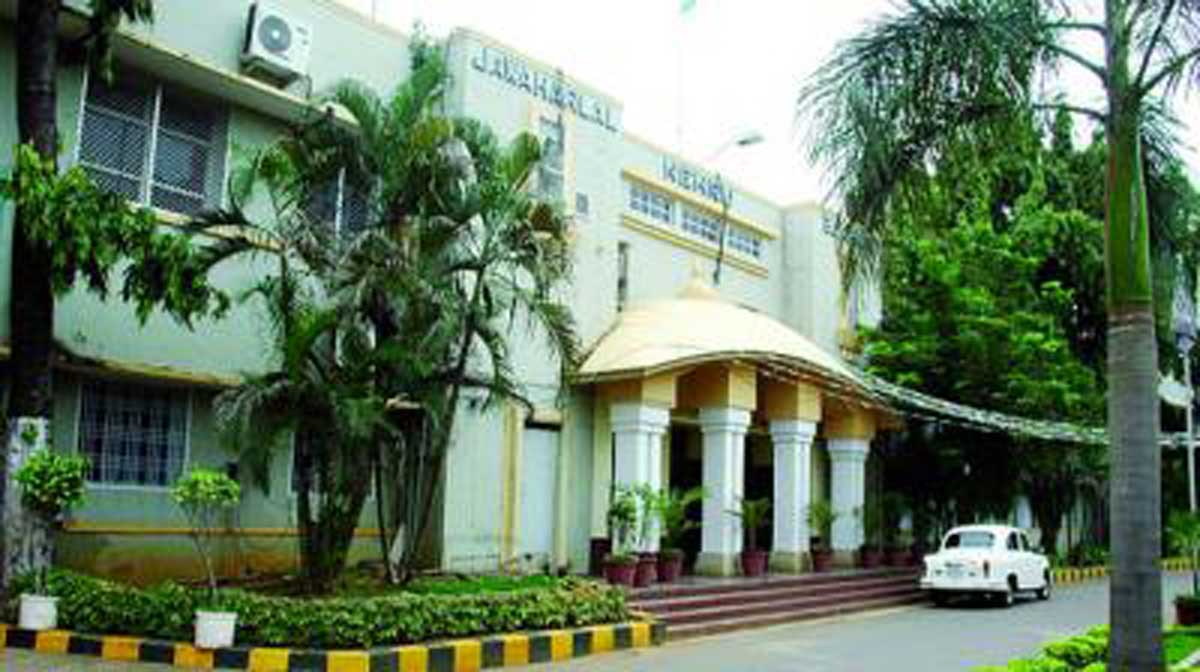
The Vijayawada Municipal Corporation (VMC) has formulated an action plan to revive sewage treatment plants to reduce carbon emissions. This is as part of the Corporation’s efforts to achieve a better rank in the next edition of Swachh Survekshan.

According to VMC officials, the Union Ministry of Housing and Urban Affairs has identified 28 cities in the country under Swachh Bharat Mission. As a pilot project in the Sustainable City category, Vijayawada is among the five selected cities. Special funds will be released by the United Nations Industrial Development Organisation (UNIDO) in the respective cities.

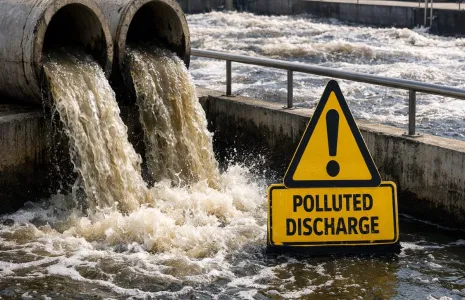
On the other hand, the National Green Tribunal (NGT) has directed the VMC to maintain a biological oxygen demand limit to 10 mg/litre or less and chemical oxygen demand limit to 50 mg/litre in the water released from the sewage treatment plant (STP).

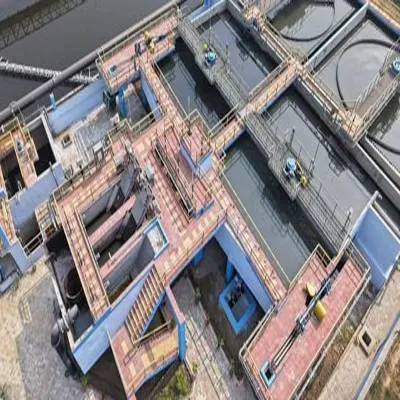
Keeping this in mind, the VMC has taken steps to modernise sewage treatment plants in eight parts of the city. The civic body officials have prepared plans to spend Rs 10 crore released by the UNIDO as the first instalment and Rs 4.93 crore from the Corporation General Fund. Steps are being taken to revive the biogas production at sewage treatment plants in Ajit Singh Nagar (20 and 40 MLD), Jakkampudi (20 MLD, Ramalingeswara Nagar (20 MLD) to reduce carbon emissions and generation of electricity.

The Vijayawada Municipal Corporation (VMC) has formulated an action plan to revive sewage treatment plants to reduce carbon emissions. This is as part of the Corporation’s efforts to achieve a better rank in the next edition of Swachh Survekshan. According to VMC officials, the Union Ministry of Housing and Urban Affairs has identified 28 cities in the country under Swachh Bharat Mission. As a pilot project in the Sustainable City category, Vijayawada is among the five selected cities. Special funds will be released by the United Nations Industrial Development Organisation (UNIDO) in the respective cities. On the other hand, the National Green Tribunal (NGT) has directed the VMC to maintain a biological oxygen demand limit to 10 mg/litre or less and chemical oxygen demand limit to 50 mg/litre in the water released from the sewage treatment plant (STP). Keeping this in mind, the VMC has taken steps to modernise sewage treatment plants in eight parts of the city. The civic body officials have prepared plans to spend Rs 10 crore released by the UNIDO as the first instalment and Rs 4.93 crore from the Corporation General Fund. Steps are being taken to revive the biogas production at sewage treatment plants in Ajit Singh Nagar (20 and 40 MLD), Jakkampudi (20 MLD, Ramalingeswara Nagar (20 MLD) to reduce carbon emissions and generation of electricity.

Next Story
Infrastructure Urban

ABB to Invest Rs 6.25 Billion to Expand India Manufacturing

ABB recently announced plans to invest approximately Rs 6.25 billion ($75 million) in India during 2026 to expand its manufacturing footprint and research and development capabilities. The investment follows more than $35 million spent in 2025 and reflects the company’s continued focus on strengthening its ‘local-for-local’ strategy in the country.The investment will support ABB’s Electrification, Motion and Automation businesses and expand manufacturing capacity for infrastructure sectors such as renewable energy, metro rail, data centres and industrial applications. Approximately 300..

Next Story
Equipment

Six WOLFF Cranes Handle 60,000 m³ Concrete for German Hospital

Six WOLFF tower cranes are playing a key role in constructing a new hospital complex in Memmingen, Germany, supporting large-scale material handling for the project. The facility is being built on a 7.7-hectare site and will feature six floors, around 480 beds and a gross floor area exceeding 75,000 sq m.Building shell works began recently in February 2025. One WOLFF 6531.12 Cross crane supported early site preparation before being dismantled in autumn 2025, while five remaining cranes continue operations. Over an average deployment period of 16 months, the cranes are expected to move approxim..

Next Story
Equipment

REC Funds Rs 115.6 Million CSR Support for Bihar Eye Hospital

REC recently committed Rs 115.6 million under its Corporate Social Responsibility (CSR) programme for the procurement of clinical and non-clinical equipment at Sankara Eye Hospital in Saharsa, Bihar. The initiative aims to strengthen healthcare infrastructure and improve access to specialised eye care services in the region.A Memorandum of Agreement (MoA) was recently signed between Pradeep Fellows, Executive Director (CSR), REC Limited, and Wg Cdr V. Shankar (Retd), Trustee and Executive Director of Sankara Eye Hospital, at the REC office in the SCOPE Complex, New Delhi.The support is expecte..

Advertisement

Subscribe to Our Newsletter

Get daily newsletters around different themes from Construction world.

STAY CONNECTED

Advertisement

Advertisement

Advertisement