Coal India Arm BCCL Targets 54 MT Output, Rs 200 Bn by FY30
COAL & MINING

Coal India Arm BCCL Targets 54 MT Output, Rs 200 Bn by FY30

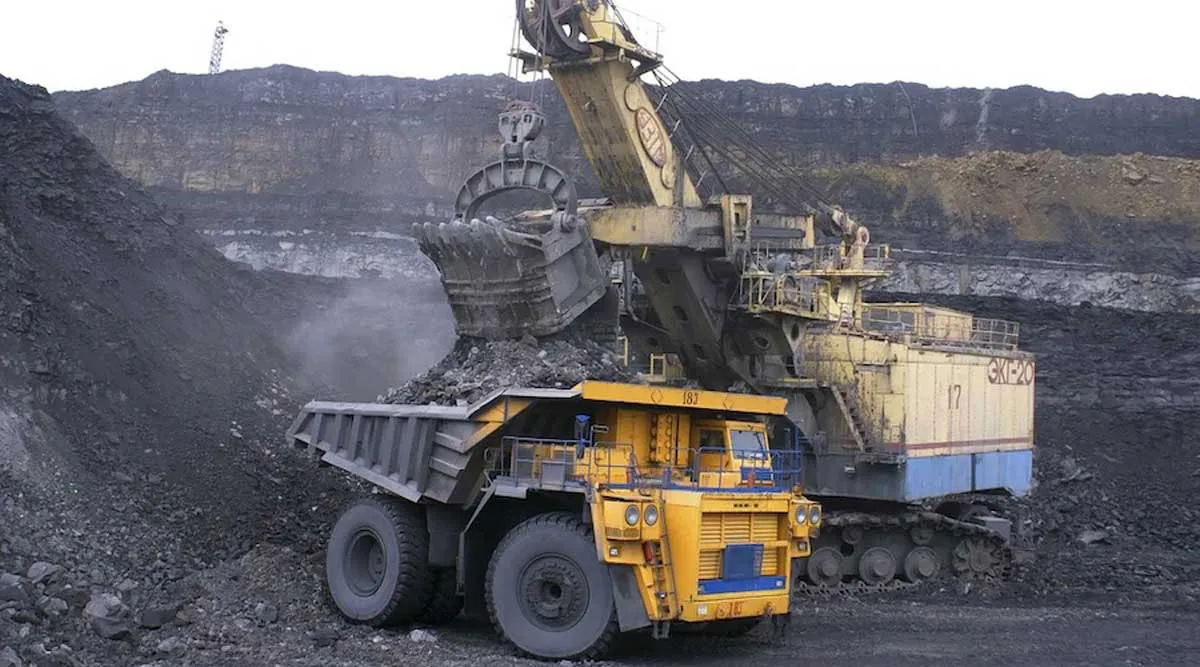
Bharat Coking Coal (BCCL), a subsidiary of Coal India, plans to scale up its coking coal production to 54 million tonnes by FY 2029–30, with the bulk of incremental supplies earmarked for the steel sector. The expansion is expected to drive the company’s revenue close to Rs 200 billion by the end of the decade, senior officials said.

The production push aligns with India’s broader objective of achieving a national coking coal output target of 140 million tonnes to reduce dependence on imports. BCCL currently produces around 40.5 million tonnes of coking coal and contributes nearly 58.5 per cent of the country’s total output. Manoj Kumar Agarwal, Chairman and Managing Director, Bharat Coking Coal, said the company holds reserves of about 8 billion tonnes, ensuring long-term availability. “Demand of coking coal will never come down,” Agarwal said.

To support higher and cleaner supplies to steelmakers, BCCL is also expanding its coal washing capacity. The current washing capacity of 13.65 million tonnes is planned to be increased to 27 million tonnes in the coming years. Agarwal said washed coal remains a critical raw material for steel production, and enhanced capacity will help meet quality requirements of the sector.

Sanjay Kumar Singh, Director (Technical Operations and Projects & Planning), Bharat Coking Coal Limited, said most of the company’s future production growth will be directed toward steel. Supply to the steel sector is expected to rise to around 9–10 million tonnes, nearly a six-fold increase, while supplies to the power sector are likely to remain broadly stable. “Our growth from 40 to 54 million tonnes is focused towards steel,” Singh said.

Mukesh Agrawal, Director (Finance), Coal India, said BCCL’s revenue could rise to about Rs 200 billion by FY30 from around Rs 138 billion earlier, supported by higher output. Singh added that the revenue dip in the first half of the current year was temporary, attributing it to heavy rainfall affecting open-cast operations and lower price realisations linked to softer imported coking coal prices. 

News source: CNBC TV18

Bharat Coking Coal (BCCL), a subsidiary of Coal India, plans to scale up its coking coal production to 54 million tonnes by FY 2029–30, with the bulk of incremental supplies earmarked for the steel sector. The expansion is expected to drive the company’s revenue close to Rs 200 billion by the end of the decade, senior officials said.The production push aligns with India’s broader objective of achieving a national coking coal output target of 140 million tonnes to reduce dependence on imports. BCCL currently produces around 40.5 million tonnes of coking coal and contributes nearly 58.5 per cent of the country’s total output. Manoj Kumar Agarwal, Chairman and Managing Director, Bharat Coking Coal, said the company holds reserves of about 8 billion tonnes, ensuring long-term availability. “Demand of coking coal will never come down,” Agarwal said.To support higher and cleaner supplies to steelmakers, BCCL is also expanding its coal washing capacity. The current washing capacity of 13.65 million tonnes is planned to be increased to 27 million tonnes in the coming years. Agarwal said washed coal remains a critical raw material for steel production, and enhanced capacity will help meet quality requirements of the sector.Sanjay Kumar Singh, Director (Technical Operations and Projects & Planning), Bharat Coking Coal Limited, said most of the company’s future production growth will be directed toward steel. Supply to the steel sector is expected to rise to around 9–10 million tonnes, nearly a six-fold increase, while supplies to the power sector are likely to remain broadly stable. “Our growth from 40 to 54 million tonnes is focused towards steel,” Singh said.Mukesh Agrawal, Director (Finance), Coal India, said BCCL’s revenue could rise to about Rs 200 billion by FY30 from around Rs 138 billion earlier, supported by higher output. Singh added that the revenue dip in the first half of the current year was temporary, attributing it to heavy rainfall affecting open-cast operations and lower price realisations linked to softer imported coking coal prices. News source: CNBC TV18

Next Story
Infrastructure Energy

Tata Power Arm Crosses 10 GW EPC Milestone

Tata Power Renewable Energy Ltd (TPREL) has achieved a major milestone by executing 10 gigawatts of engineering, procurement and construction (EPC) renewable energy projects to date, reinforcing its position in India’s clean energy infrastructure sector. According to the company, the executed portfolio comprises 4.2 gigawatts of in-house projects and 5.8 gigawatts of third-party projects. Of the total 10 gigawatts commissioned so far, 9.7 gigawatts are solar projects and 290 megawatts are wind projects. In the first nine months of FY26, TPREL commissioned 1.88 gigawatts of EPC renewable en..

Next Story
Infrastructure Energy

SCI Seeks Bids for Eight New Gas Carriers

The Shipping Corporation of India (SCI) has invited bids to acquire eight new very large gas carriers (VLGCs), reinforcing its expansion plans while supporting India’s domestic shipbuilding industry. According to the tender, six of the vessels must be constructed in India, while the remaining two can be built by international shipyards. The requirement aligns with the government’s policy push to strengthen local shipbuilding capacity and comply with Press Note 3 regulations governing foreign participation in sensitive sectors. SCI has issued an Expression of Interest (EoI) to identify el..

Next Story
Infrastructure Urban

Union Budget 2026–27 Focuses on Growth, Jobs and Infrastructure

Union Minister for Finance and Corporate Affairs Nirmala Sitharaman recently tabled the Union Budget 2026–27 in Parliament, outlining a growth-led roadmap anchored around three ‘kartavyas’—accelerating economic growth, building people’s capacities, and ensuring inclusive development across regions and sectors.The Budget estimates non-debt receipts at Rs 36.5 lakh crore and total expenditure at Rs 53.5 lakh crore, with capital expenditure at about Rs 11 lakh crore. Public capex is proposed to rise to Rs 12.2 lakh crore in FY27. The fiscal deficit is pegged at 4.3 per cent of GDP, whil..

Advertisement

Subscribe to Our Newsletter

Get daily newsletters around different themes from Construction world.

STAY CONNECTED

Advertisement

Advertisement

Advertisement

Advertisement

Open In App