+
ABB India’s Nelamangala Site Earns AWS Gold Certification
WATER & WASTE

ABB India’s Nelamangala Site Earns AWS Gold Certification

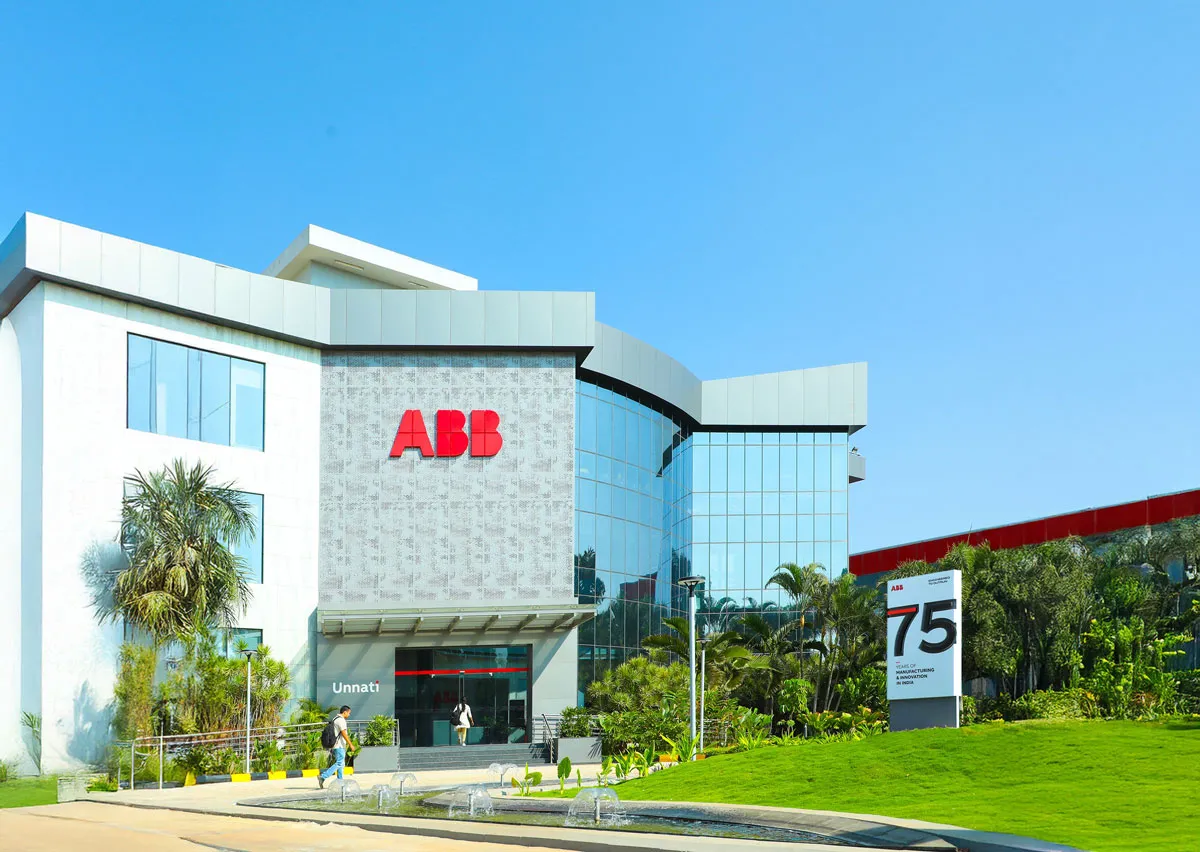
ABB India has secured Gold-level certification under the Alliance for Water Stewardship (AWS) Standard for its manufacturing campus in Nelamangala, marking a major milestone in industrial water stewardship and sustainable manufacturing practices.

The certification aligns with India’s National Water Policy and broader goals to improve industrial water-use efficiency while reducing dependence on groundwater. With this achievement, ABB becomes the fourth company in India—and the first in the automotive, electrical equipment and machinery production sector—to receive the stakeholder-driven recognition.

The certification process involved structured engagement with multiple external stakeholders, including suppliers, non-governmental organisations, local communities, regulatory authorities and neighbouring industries. These interactions supported the assessment of shared water risks and helped align site-level initiatives with community and catchment priorities.

ABB’s Nelamangala campus, which employs more than 1,800 people across several divisions and spans approximately 56,000 sq. m., was evaluated on key parameters such as water governance, sustainable water balance, water quality and shared catchment outcomes. According to The Energy and Resources Institute, industrial water use in India accounts for around 8–10% of total freshwater withdrawal, with demand projected to rise significantly by 2050, highlighting the importance of sustainable practices.

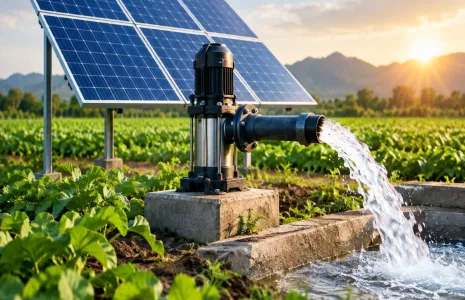
The facility has reported several key achievements, including replenishing nearly 1.25 times more water than it consumes and recycling about 85% of treated water within the plant. It also has an annual rainwater harvesting potential exceeding 200 million litres and has engaged 44 local suppliers in sustainable water management initiatives.

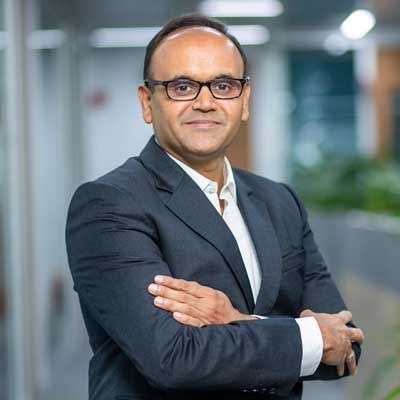
Commenting on the recognition, Saju SR, Senior Vice President, Smart Power Division, ABB India, said the certification reflects the company’s focus on groundwater recharge, transparent governance and stakeholder collaboration, demonstrating that industrial growth can be decoupled from freshwater dependence.

In addition, ABB has partnered with Third Planet Foundation to implement groundwater recharge programmes across 70 villages in Nelamangala, supporting long-term water security for local communities and agriculture while promoting regional water resilience.

ABB India has secured Gold-level certification under the Alliance for Water Stewardship (AWS) Standard for its manufacturing campus in Nelamangala, marking a major milestone in industrial water stewardship and sustainable manufacturing practices.The certification aligns with India’s National Water Policy and broader goals to improve industrial water-use efficiency while reducing dependence on groundwater. With this achievement, ABB becomes the fourth company in India—and the first in the automotive, electrical equipment and machinery production sector—to receive the stakeholder-driven recognition.The certification process involved structured engagement with multiple external stakeholders, including suppliers, non-governmental organisations, local communities, regulatory authorities and neighbouring industries. These interactions supported the assessment of shared water risks and helped align site-level initiatives with community and catchment priorities.ABB’s Nelamangala campus, which employs more than 1,800 people across several divisions and spans approximately 56,000 sq. m., was evaluated on key parameters such as water governance, sustainable water balance, water quality and shared catchment outcomes. According to The Energy and Resources Institute, industrial water use in India accounts for around 8–10% of total freshwater withdrawal, with demand projected to rise significantly by 2050, highlighting the importance of sustainable practices.The facility has reported several key achievements, including replenishing nearly 1.25 times more water than it consumes and recycling about 85% of treated water within the plant. It also has an annual rainwater harvesting potential exceeding 200 million litres and has engaged 44 local suppliers in sustainable water management initiatives.Commenting on the recognition, Saju SR, Senior Vice President, Smart Power Division, ABB India, said the certification reflects the company’s focus on groundwater recharge, transparent governance and stakeholder collaboration, demonstrating that industrial growth can be decoupled from freshwater dependence.In addition, ABB has partnered with Third Planet Foundation to implement groundwater recharge programmes across 70 villages in Nelamangala, supporting long-term water security for local communities and agriculture while promoting regional water resilience.

Related Stories

Gold Stories

Next Story
Infrastructure Urban

Infrastructure Opportunity Outlook by IMPACCT.Info

India’s infrastructure pipeline is witnessing dynamic activity across stages — from immediate bidding to future planning. IMPACCT segments these into three categories: Immediate, 3–6 Month, and Future Opportunities, enabling businesses to identify, prepare, and participate in high-value tenders and projects across sectors.To read full article Click Here ..

Next Story
Real Estate

Glass, Reframed!

Glass façades, quintessential aesthetic building envelopes globally, have been widely adopted in India as well. But when the focus is high-performance building systems that deliver energy efficiency, comfort and architectural identity, glass isn’t the only preference. Combination solutions, involving glass and some other material, improve façade outcomes. Some combinations come at comparable prices, some at a higher price. Here is a selection of performance-oriented solutions...To read the full story Click Here ..

Next Story
Infrastructure Urban

Beyond Building Faster

India’s cities are expanding at an unprecedented pace, bringing new infrastructure and development opportunities while also intensifying challenges around mobility, public spaces, liveability and supporting infrastructure. The question, therefore, is not simply whether India can build faster, but whether it can build cities that work better.At a CW webinar, Are We Designing Better Cities – or Just Building Faster?, moderator Ar. Samir Shaikh, Founding Principal, AR&UD Studio, brought together perspectives from design, development, master planning and technology...To read the full artic..

Advertisement

Subscribe to Our Newsletter

Get daily newsletters around different themes from Construction world.

STAY CONNECTED

Advertisement

SPECIAL OFFER
QR Code