


Government to Launch Coal Gasification Urea Policy
COAL & MINING

Government to Launch Coal Gasification Urea Policy

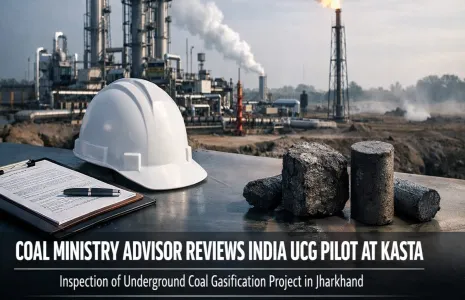
The government will unveil a coal gasification based policy for urea production within one month, aiming to promote the use of domestic coal feedstock in synthetic fertiliser manufacture. The move seeks to enhance self reliance in fertiliser supply and to provide an alternative route to natural gas based synthesis. Officials said the policy will set out technical standards, permitting norms and incentives for projects that adopt coal gasification technology. It will aim to attract investments from both public sector undertakings and private manufacturers.

The scheme will address logistical and economic challenges by linking coal supply arrangements with project financing and long term offtake agreements. Environmental safeguards will be integrated into the approval process to ensure emissions management and compliance with existing pollution standards. The policy framework will also examine the role of carbon capture technologies where feasible and the potential for co producing power or chemicals to improve project economics.

The initiative is aimed at reducing reliance on imported natural gas based urea plants and stabilising domestic fertiliser availability, especially during peak sowing seasons. The ministry intends to provide a clear tariff and incentive regime to improve bankability of projects and to reduce gestation risk for developers. Coordination with state governments will be sought for land, water and infrastructure support.

Industry associations and potential investors are to study the draft and submit project proposals under the new guidelines. Public sector fertiliser producers are positioned to play a role in early adoption to demonstrate feasibility and scale technology deployment. The government will monitor progress and allow periodic adjustments to the policy based on implementation feedback.

Stakeholders will be given a defined timeframe for clearances to reduce lead times and a single window mechanism will be proposed to expedite approvals. The policy is intended to complement broader energy and agricultural objectives nationally.

"Join industry leaders at RAHSTA Expo, India's premier platform for roads, highways and traffic infrastructure. Register now to explore innovations, network with experts and shape the future of mobility."

The government will unveil a coal gasification based policy for urea production within one month, aiming to promote the use of domestic coal feedstock in synthetic fertiliser manufacture. The move seeks to enhance self reliance in fertiliser supply and to provide an alternative route to natural gas based synthesis. Officials said the policy will set out technical standards, permitting norms and incentives for projects that adopt coal gasification technology. It will aim to attract investments from both public sector undertakings and private manufacturers. The scheme will address logistical and economic challenges by linking coal supply arrangements with project financing and long term offtake agreements. Environmental safeguards will be integrated into the approval process to ensure emissions management and compliance with existing pollution standards. The policy framework will also examine the role of carbon capture technologies where feasible and the potential for co producing power or chemicals to improve project economics. The initiative is aimed at reducing reliance on imported natural gas based urea plants and stabilising domestic fertiliser availability, especially during peak sowing seasons. The ministry intends to provide a clear tariff and incentive regime to improve bankability of projects and to reduce gestation risk for developers. Coordination with state governments will be sought for land, water and infrastructure support. Industry associations and potential investors are to study the draft and submit project proposals under the new guidelines. Public sector fertiliser producers are positioned to play a role in early adoption to demonstrate feasibility and scale technology deployment. The government will monitor progress and allow periodic adjustments to the policy based on implementation feedback. Stakeholders will be given a defined timeframe for clearances to reduce lead times and a single window mechanism will be proposed to expedite approvals. The policy is intended to complement broader energy and agricultural objectives nationally.

Next Story
Infrastructure Energy

Centre Prioritising Energy Security With Coal Gasification

Union minister for Coal and Mines G Kishan Reddy said the Centre is prioritising energy security through a strategic shift to coal gasification and has announced incentives totalling Rs 460 billion (bn) to support the effort. He said more than 35 companies will start coal gasification activities in India within two months and that the government is encouraging firms that bring technology to close the domestic technology gap. The minister described the initiative as aimed at reducing import dependence and developing indigenous capacity. India has the fifth-largest coal reserve in the world, and..

Next Story
Infrastructure Urban

BHEL and Coal India Invest Rs 250 bn in Odisha Gasification

Bharat Heavy Electricals (BHEL) and Coal India (CIL) are jointly investing Rs 250 billion in a coal gasification project in Odisha, with the Prime Minister laying the foundation stone in Jharsuguda. Union Coal and Mines Minister G Kishan Reddy described the initiative as a transformative shift in coal utilisation that will open industrial avenues for the state. The project moves coal beyond conventional power generation to industrial feedstocks. Coal gasification will convert coal into synthesis gas, a versatile feedstock for chemicals, fertilisers and synthetic fuels, and the technology is ex..

Next Story
Infrastructure Energy

BCCL Hands Over Dugdha Coal Washery To JSW Steel

Bharat Coking Coal has handed over the Dugdha Coal Washery to JSW Steel, marking the first coal washery asset monetisation under the Ministry of Coal's asset monetisation programme. The handover took place in the presence of senior officials from Bharat Coking Coal Ltd, JSW Steel and JSW Energy. The washery has a capacity of two million tonnes per annum (mn t per annum), and its transfer is intended to introduce private sector practices into coal beneficiation operations. The monetisation is aimed at modernising coal sector assets, improving operational efficiency and enhancing resource utilis..

Advertisement

Subscribe to Our Newsletter

Get daily newsletters around different themes from Construction world.

STAY CONNECTED

Advertisement

Advertisement

Advertisement