New Mines Act to Benefit Jharkhand and Nation, Says Ex-CM
COAL & MINING

New Mines Act to Benefit Jharkhand and Nation, Says Ex-CM

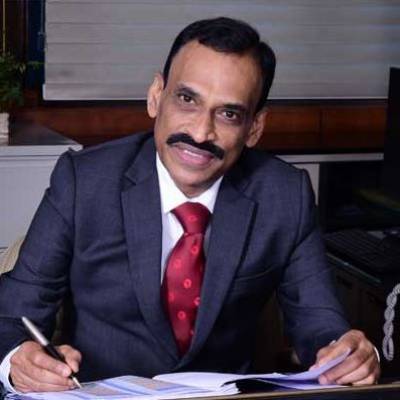
Former Jharkhand chief minister Raghubar Das defended the amended Mines and Minerals (Development and Regulation) Act as advancing the interests of the state and nation and criticised the JMM-Congress for creating confusion. At the BJP headquarters in Ranchi he said the legislation will promote legal mining with greater transparency and curb illegal extraction to ensure the state receives maximum benefit.

Das alleged illegal extraction of coal, sand and stone across districts such as Dhanbad, Bokaro, Chatra, Hazaribag, Sahebganj and Dumka. He said the Act will improve transparency in grants and licences and that Ninety per cent of tax revenue from mining goes to the state. He recalled the Centre introduced a district mineral fund for development of mining affected areas in 2015.

He noted that the Centre approved 34 coal blocks in the state but only four are operational and that the state had not begun operations in the remaining 30, which he said reflected a lack of seriousness. He added that out of 15 iron ore mines only six are active and 17 of 37 bauxite mines are producing, arguing that fuller operations would have generated substantial revenue. He blamed delays in operationalisation for constraining output.

Das criticised the government for highlighting a cess of Rs 110 billion (bn), contending that the levy had raised costs and reduced output and receipts. He cited government data showing coal production in Jharkhand at 44.78 million tonnes (mn t) in the first quarter, April to July, of the 2024-25 financial year, which he said fell to 37.25 mn t in the same period of 2025-26. He maintained that higher costs have weakened demand for state coal and iron.

He said coal of Grades eight to 12 in Jharkhand is priced at Rs 2,045 to Rs 3,212 per tonne, while the same grades cost Rs 1,514 to Rs 2,681 per tonne in Odisha and Chhattisgarh, affecting competitiveness. He called for a focus on operationalising blocks and mines to restore production and revenue potential.

Former Jharkhand chief minister Raghubar Das defended the amended Mines and Minerals (Development and Regulation) Act as advancing the interests of the state and nation and criticised the JMM-Congress for creating confusion. At the BJP headquarters in Ranchi he said the legislation will promote legal mining with greater transparency and curb illegal extraction to ensure the state receives maximum benefit. Das alleged illegal extraction of coal, sand and stone across districts such as Dhanbad, Bokaro, Chatra, Hazaribag, Sahebganj and Dumka. He said the Act will improve transparency in grants and licences and that Ninety per cent of tax revenue from mining goes to the state. He recalled the Centre introduced a district mineral fund for development of mining affected areas in 2015. He noted that the Centre approved 34 coal blocks in the state but only four are operational and that the state had not begun operations in the remaining 30, which he said reflected a lack of seriousness. He added that out of 15 iron ore mines only six are active and 17 of 37 bauxite mines are producing, arguing that fuller operations would have generated substantial revenue. He blamed delays in operationalisation for constraining output. Das criticised the government for highlighting a cess of Rs 110 billion (bn), contending that the levy had raised costs and reduced output and receipts. He cited government data showing coal production in Jharkhand at 44.78 million tonnes (mn t) in the first quarter, April to July, of the 2024-25 financial year, which he said fell to 37.25 mn t in the same period of 2025-26. He maintained that higher costs have weakened demand for state coal and iron. He said coal of Grades eight to 12 in Jharkhand is priced at Rs 2,045 to Rs 3,212 per tonne, while the same grades cost Rs 1,514 to Rs 2,681 per tonne in Odisha and Chhattisgarh, affecting competitiveness. He called for a focus on operationalising blocks and mines to restore production and revenue potential.

Related Stories

Gold Stories

Next Story
Infrastructure Urban

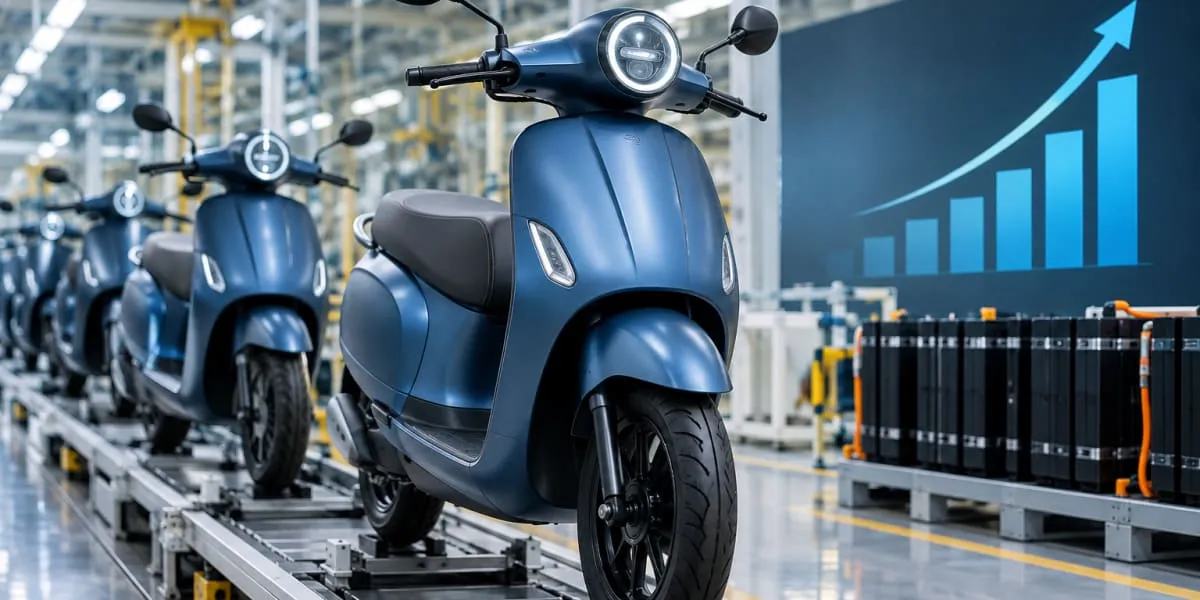
Bajaj Auto to Raise Monthly Electric 2W Capacity to 80,000 by March

Bajaj Auto plans to raise monthly production capacity for electric two-wheelers to around 80,000 units by the end of March, as demand for its Chetak electric scooter continues to exceed available output. The company currently has capacity for around 60,000 electric two-wheelers a month. Joint Managing Director Rakesh Sharma said production had returned to the existing full capacity after a supply chain disruption affected output. The issue had reduced recent production to around 40,000 units, resulting in a shortfall of 20,000 vehicles despite strong demand. The company expects to remove produ..

Next Story
Infrastructure Transport

India’s Domestic Air Passenger Traffic Falls 6.5% in September

India’s domestic air passenger traffic declined 6.49 per cent month on month to 11.8 mn in September, according to data released by the Directorate General of Civil Aviation (DGCA). IndiGo retained its leading position, carrying nearly two-thirds of domestic passengers, while the Air India Group remained the second-largest operator. IndiGo held a 65.4 per cent market share and transported 7.73 mn passengers during the month. The Air India Group accounted for 26.8 per cent of the market, carrying 3.165 mn passengers, based on data from the aviation regulator. Akasa Air ranked third with a 5.6..

Next Story
Infrastructure Urban

DPIIT Advances Trust-Based Governance Across India

The Department for Promotion of Industry and Internal Trade (DPIIT), under the Ministry of Commerce and Industry, is shifting India’s regulatory approach from permission-based administration to trust-based governance. The reforms seek to reduce business compliance, support startups, attract investment and simplify approvals across the country. According to an official statement, 47,957 compliance requirements have been reduced across Central Ministries and States and Union Territories. Of these, 22,290 have been digitised, 16,141 simplified, 5,255 decriminalised and 4,271 eliminated. The Jan..

Advertisement

Subscribe to Our Newsletter

Get daily newsletters around different themes from Construction world.

STAY CONNECTED

Advertisement

SPECIAL OFFER
QR Code