Govt to form new policy for project funding in coal mining
COAL & MINING

Govt to form new policy for project funding in coal mining

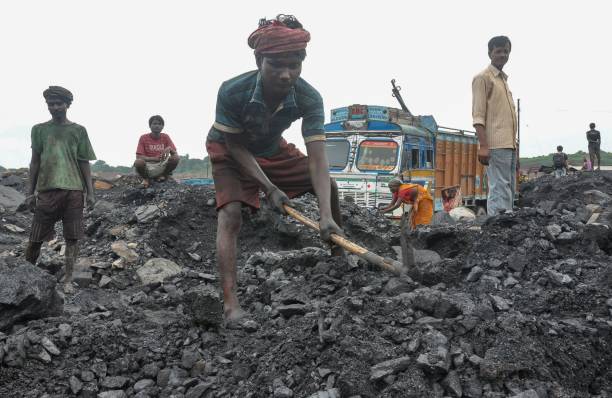
As coal mining projects worldwide face increasing opposition over environmental concerns, the Indian government is set to frame a new policy on project financing in coal mining to support the development of private commercial mining in the country.

After the virtual pre-bid meeting for the second tranche of coal mining auction, the government said that it would come out with a policy on project financing in coal mining, an official told the media.

The government also indicated that, in all possibility, the second phase of commercial coal mining auction would not be postponed due to the Covid-19 pandemic, but the Ministry of Coal will monitor the situation and make a decision accordingly, the official said.

A policy on this issue is being discussed in the government as financing coal mining projects is gradually becoming a challenge in the wake of growing opposition globally. Protestors claim that such dirty projects cause damage to the environment.

A nationalised bank in Australia has reportedly been unable to make a final decision on financing a major coal mining project due to such opposition.

Due to mounting pressure, global mining majors have not shown any interest in India's commercial coal block auctions. Mining of the dry fuel has been a monopoly to state-owned Coal India Ltd (Ltd).

As we have reported earlier, the government in March offered 67 coal mines for sale, launching the second tranche of commercial coal mining auction and termed it a step towards ‘Aatmanirbhar Bharat’. This is the highest number of mines on offer in a particular tranche after the commencement of the auction regime in 2014.

The blocks on offer are a mix of mines with small and large reserves, coking and non-coking mines and fully and partially explored blocks spread across six states—Jharkhand, Odisha, Madhya Pradesh, Maharashtra, Andhra Pradesh and Chhattisgarh.

Image Source


Also Read: Govt to permit sale of 50% coal from captive blocks

Also Read: Amendment in Mining Act: A step towards building self-reliant India

"Join industry leaders at RAHSTA Expo, India's premier platform for roads, highways and traffic infrastructure. Register now to explore innovations, network with experts and shape the future of mobility."

As coal mining projects worldwide face increasing opposition over environmental concerns, the Indian government is set to frame a new policy on project financing in coal mining to support the development of private commercial mining in the country. After the virtual pre-bid meeting for the second tranche of coal mining auction, the government said that it would come out with a policy on project financing in coal mining, an official told the media. The government also indicated that, in all possibility, the second phase of commercial coal mining auction would not be postponed due to the Covid-19 pandemic, but the Ministry of Coal will monitor the situation and make a decision accordingly, the official said. A policy on this issue is being discussed in the government as financing coal mining projects is gradually becoming a challenge in the wake of growing opposition globally. Protestors claim that such dirty projects cause damage to the environment. A nationalised bank in Australia has reportedly been unable to make a final decision on financing a major coal mining project due to such opposition. Due to mounting pressure, global mining majors have not shown any interest in India's commercial coal block auctions. Mining of the dry fuel has been a monopoly to state-owned Coal India Ltd (Ltd). As we have reported earlier, the government in March offered 67 coal mines for sale, launching the second tranche of commercial coal mining auction and termed it a step towards ‘Aatmanirbhar Bharat’. This is the highest number of mines on offer in a particular tranche after the commencement of the auction regime in 2014. The blocks on offer are a mix of mines with small and large reserves, coking and non-coking mines and fully and partially explored blocks spread across six states—Jharkhand, Odisha, Madhya Pradesh, Maharashtra, Andhra Pradesh and Chhattisgarh. Image SourceAlso Read: Govt to permit sale of 50% coal from captive blocks Also Read: Amendment in Mining Act: A step towards building self-reliant India

Next Story
Resources

Jyoti Structures Launches Heat Safety Drive Across Sites

Jyoti Structures (JSL) has strengthened heat safety measures across its project sites and manufacturing facilities as temperatures rise across India. The company has implemented a Summer Safety Plan covering all transmission line projects to address risks related to heat stress, dehydration and worker fatigue.The initiative includes rescheduling work away from peak afternoon temperatures, provision of drinking water, ORS and lemon-salt solutions, and installation of rest shelters near work areas. Daily toolbox talks, worker health monitoring, first-aid preparedness, emergency transport arrange..

Next Story
Real Estate

MHADA Declares 82 Buildings Most Dangerous in Central and South Mumbai

The Maharashtra Housing and Area Development Authority (MHADA) has declared 82 buildings as most dangerous across Central and South Mumbai and has appealed to residents to vacate immediately. The list, prepared after structural assessments by the authority, identifies buildings judged to pose imminent risk to occupants and to passersby. Local civic bodies have been asked to coordinate evacuations and to make arrangements for temporary shelter and rehabilitation for displaced households. Officials said the authority prioritised buildings with visible structural distress, severe cracking, tiltin..

Next Story
Infrastructure Transport

Damage Reported At Halwara Airport Terminal After First Rains

Severe damage was reported at the terminal of Halwara Airport during the first major rain spell of the season, prompting immediate concern among aviation and local authorities. Images from the site showed water ingress and visible deterioration of the terminal interior, affecting passenger areas and ancillary services. The airport authority suspended certain operations temporarily to assess structural safety and ensure passenger wellbeing. Preliminary inspections have prioritised electrical systems and roof seals to prevent further water ingress. State aviation officials ordered a formal inqui..

Advertisement

Subscribe to Our Newsletter

Get daily newsletters around different themes from Construction world.

STAY CONNECTED

Advertisement

Advertisement

Advertisement