




India Coal Output Rises Marginally In 2025
COAL & MINING

India Coal Output Rises Marginally In 2025

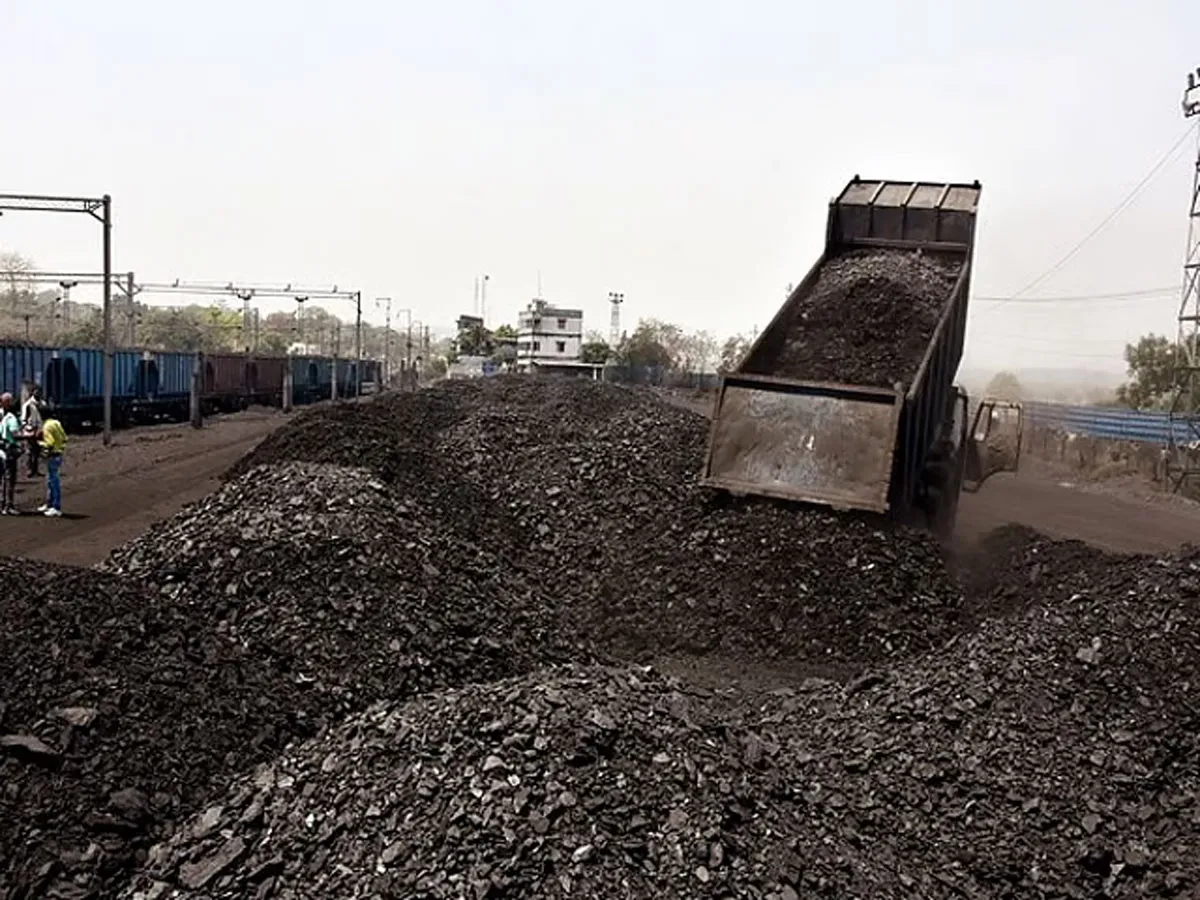
India produced around 1,042.90 million tonnes of coal on a provisional basis during calendar year 2025, from January to December, slightly higher than the 1,039.62 million tonnes recorded in the same period a year earlier, marking a growth of about 0.23 per cent, according to the Ministry of Coal.

Coal supply during the year stood at nearly 1,016.14 million tonnes on a provisional basis, compared with 1,013.59 million tonnes supplied in the previous year, reflecting an increase of around 0.25 per cent. In its annual report released on Monday, the ministry said coal availability to consumers remained adequate and uninterrupted throughout the year, with no instances of shortages reported across the country.

With support from Indian Railways, coal stocks at domestic coal-based thermal power plants reached 50.31 million tonnes as of 31 December 2025, about 17.42 per cent higher than the level recorded on the same date last year. At the prevailing rate of consumption, these stocks are sufficient to meet power plant requirements for roughly 21 days, the ministry said.

Coal stock levels at thermal power plants crossed the 50 million tonne mark on 22 November 2025, nearly 80 days earlier than in the previous financial year, when this threshold was achieved on 9 February 2025. The steady supply of domestic coal to the power sector also helped reduce imported coal blending by 54.17 per cent compared with last year.

Coal imports for blending up to December 2025 stood at just 5.5 million tonnes, sharply lower than the 12 million tonnes imported during the same period a year earlier. Imported coal used for blending had earlier peaked at 35 million tonnes in 2022–23, but has since declined due to improved domestic availability.

The report further noted that total coal imports into the country fell by 7.9 per cent in 2024–25 to 243.62 million tonnes, from 264.58 million tonnes in the corresponding period of the previous financial year. This reduction resulted in foreign exchange savings of about $7.93 billion, equivalent to roughly Rs 606.82 billion.

During the current year, coal imports between April and October 2025 stood at 149.80 million tonnes, marginally higher than the 149.23 million tonnes imported in the same period of the previous financial year.

India produced around 1,042.90 million tonnes of coal on a provisional basis during calendar year 2025, from January to December, slightly higher than the 1,039.62 million tonnes recorded in the same period a year earlier, marking a growth of about 0.23 per cent, according to the Ministry of Coal. Coal supply during the year stood at nearly 1,016.14 million tonnes on a provisional basis, compared with 1,013.59 million tonnes supplied in the previous year, reflecting an increase of around 0.25 per cent. In its annual report released on Monday, the ministry said coal availability to consumers remained adequate and uninterrupted throughout the year, with no instances of shortages reported across the country. With support from Indian Railways, coal stocks at domestic coal-based thermal power plants reached 50.31 million tonnes as of 31 December 2025, about 17.42 per cent higher than the level recorded on the same date last year. At the prevailing rate of consumption, these stocks are sufficient to meet power plant requirements for roughly 21 days, the ministry said. Coal stock levels at thermal power plants crossed the 50 million tonne mark on 22 November 2025, nearly 80 days earlier than in the previous financial year, when this threshold was achieved on 9 February 2025. The steady supply of domestic coal to the power sector also helped reduce imported coal blending by 54.17 per cent compared with last year. Coal imports for blending up to December 2025 stood at just 5.5 million tonnes, sharply lower than the 12 million tonnes imported during the same period a year earlier. Imported coal used for blending had earlier peaked at 35 million tonnes in 2022–23, but has since declined due to improved domestic availability. The report further noted that total coal imports into the country fell by 7.9 per cent in 2024–25 to 243.62 million tonnes, from 264.58 million tonnes in the corresponding period of the previous financial year. This reduction resulted in foreign exchange savings of about $7.93 billion, equivalent to roughly Rs 606.82 billion. During the current year, coal imports between April and October 2025 stood at 149.80 million tonnes, marginally higher than the 149.23 million tonnes imported in the same period of the previous financial year.

Next Story
Infrastructure Urban

Implementation Status of Jal Jeevan Mission

Since August 2019 the Government has implemented Jal Jeevan Mission to provide assured potable water through household tap connections in rural India. At the start of the mission only 32.3 million (mn) rural households, representing 16.7 per cent, were reported to have tap water connections. States and union territories have reported that 125.8 mn additional rural households have since been provided with tap connections. As a result, of about 193.6 mn rural households roughly 158.2 mn, or 81.71 per cent, are reported to have tap water supply at home.\n\nThe State, district and village level st..

Next Story
Infrastructure Urban

Jal Jeevan Mission Reaches Eighty One Per Cent Rural Coverage

The Government reported substantial progress under the Jal Jeevan Mission, launched in August 2019 to provide tap water to every rural household. At launch only 32.3 million (mn) rural households had tap connections and states and Union territories reported provision of 125.8 mn additional households by March 2026. Consequently, out of about 193.6 mn rural households around 158.2 mn, or 81.71 per cent, are reported to have tap water at home. The Finance Minister announced extension of the mission until 2028 in the 2025-26 budget speech. The Swachh Bharat Mission Grameen, launched in October 20..

Next Story
Infrastructure Urban

Empowering Local Governance for Sustainable Rural Water Supply

The Ministry of Jal Shakti has aligned the Jal Jeevan Mission (JJM) with the 73rd Amendment to strengthen village level planning and community ownership of water supply. Gram Panchayats, village water and sanitation committees and Pani Samitis are to plan, implement, manage and maintain piped water systems, with gram sabha processes formalising handover and oversight. Implementation support agencies including non government organisations, community based organisations and self help groups have been empanelled to train local committees and promote women participation. Under JJM, the department ..

Advertisement

Subscribe to Our Newsletter

Get daily newsletters around different themes from Construction world.

STAY CONNECTED

Advertisement

Advertisement

Advertisement