
PM to Review Coal, Mines Push and Critical Minerals
COAL & MINING

PM to Review Coal, Mines Push and Critical Minerals

Prime Minister Narendra Modi is set to hold quarterly sectoral reviews of the Ministries of Coal and Mines on 2 January and 3 January respectively, government sources said. The reviews are expected to focus on production growth, efficiency improvements and long-term resource security.

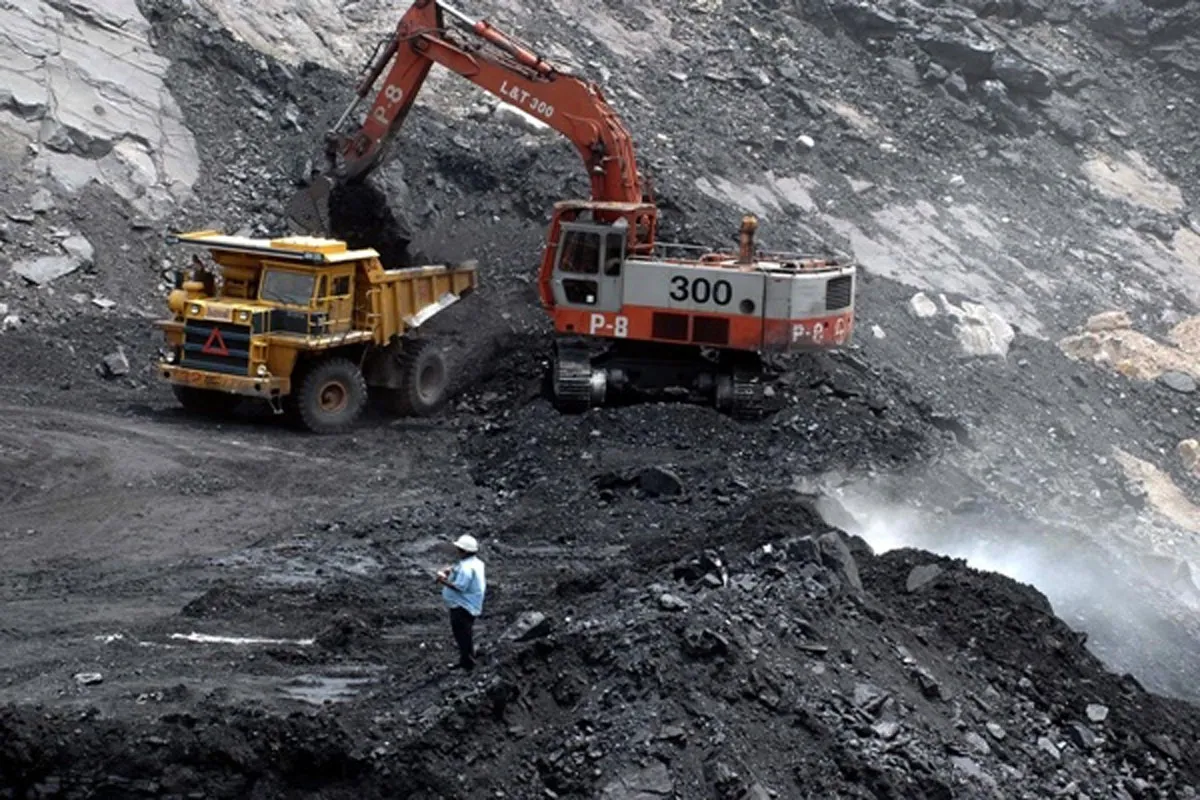
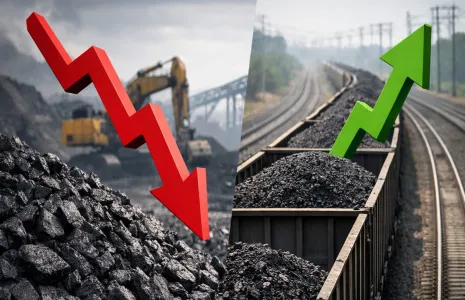
For the Ministry of Coal, discussions will centre on increasing coal output, improving efficiency at existing and upcoming mines, and rehabilitating closed mines. India’s coal production is projected to rise by nearly 50 per cent from around 1 billion metric tonnes currently to about 1.5 billion metric tonnes by 2030. Coal demand to meet thermal power requirements is expected to grow by around 17 per cent over the same period.

The review of the Ministry of Mines will focus on prioritising mineral extraction and separation through smelters to enhance domestic availability. Progress under the National Critical Minerals Mission will also be assessed, including developments against long-term targets.

In September, the Union Cabinet approved an incentive scheme worth Rs 15 billion to build recycling capacity for the separation and production of critical minerals from secondary sources. The scheme, which forms part of the National Critical Minerals Mission, is aimed at strengthening domestic supply chains and reducing dependence on imports.

The Ministry of Mines has noted that the critical minerals value chain, spanning exploration, auctions, mine operationalisation and overseas asset acquisition, involves long gestation periods. Recycling from secondary sources is therefore being pursued as a near-term solution to improve supply chain sustainability.

The incentive scheme will run for six years from FY26 to FY31 and will cover eligible feedstock such as e-waste, lithium-ion battery scrap and other materials, including catalytic converters from end-of-life vehicles. One-third of the total outlay has been earmarked for small and new recyclers, including start-ups.

Incentives will apply to new units as well as the expansion, modernisation and diversification of existing facilities. Support will be linked to the actual extraction of critical minerals, rather than being limited to black mass production.

Prime Minister Narendra Modi is set to hold quarterly sectoral reviews of the Ministries of Coal and Mines on 2 January and 3 January respectively, government sources said. The reviews are expected to focus on production growth, efficiency improvements and long-term resource security. For the Ministry of Coal, discussions will centre on increasing coal output, improving efficiency at existing and upcoming mines, and rehabilitating closed mines. India’s coal production is projected to rise by nearly 50 per cent from around 1 billion metric tonnes currently to about 1.5 billion metric tonnes by 2030. Coal demand to meet thermal power requirements is expected to grow by around 17 per cent over the same period. The review of the Ministry of Mines will focus on prioritising mineral extraction and separation through smelters to enhance domestic availability. Progress under the National Critical Minerals Mission will also be assessed, including developments against long-term targets. In September, the Union Cabinet approved an incentive scheme worth Rs 15 billion to build recycling capacity for the separation and production of critical minerals from secondary sources. The scheme, which forms part of the National Critical Minerals Mission, is aimed at strengthening domestic supply chains and reducing dependence on imports. The Ministry of Mines has noted that the critical minerals value chain, spanning exploration, auctions, mine operationalisation and overseas asset acquisition, involves long gestation periods. Recycling from secondary sources is therefore being pursued as a near-term solution to improve supply chain sustainability. The incentive scheme will run for six years from FY26 to FY31 and will cover eligible feedstock such as e-waste, lithium-ion battery scrap and other materials, including catalytic converters from end-of-life vehicles. One-third of the total outlay has been earmarked for small and new recyclers, including start-ups. Incentives will apply to new units as well as the expansion, modernisation and diversification of existing facilities. Support will be linked to the actual extraction of critical minerals, rather than being limited to black mass production.

Next Story
Infrastructure Transport

KPIL Secures Rs 7.19 Billion Metro Rail Order in Thane

Kalpataru Projects International (KPIL), along with its joint venture, has recently secured new orders and notifications of award worth approximately Rs 7.19 billion. The key contract includes an elevated metro rail project in Thane, Maharashtra, marking a significant addition to the company’s urban infrastructure portfolio.Commenting on the development, Manish Mohnot, MD & CEO, said the order strengthens KPIL’s presence in the expanding urban transportation EPC segment. He added that the company’s diversified order book, consistent order inflows and strong execution capabilities..

Next Story
Infrastructure Urban

IRFC Sanctions Rs 50 Billion Loan to MAHAGENCO

Indian Railway Finance Corporation (IRFC) has recently executed a Rupee Term Loan Agreement with Maharashtra State Power Generation Company Limited (MAHAGENCO) for a sanctioned amount of Rs 50 billion, of which Rs 30 billion has already been disbursed. A Navratna CPSE under the Ministry of Railways, IRFC has expanded its role beyond rail financing to support infrastructure projects linked to the railway ecosystem, including power generation, transmission, mining, logistics, ports and metro rail. The corporation continues to maintain a strong asset quality profile with a zero-NPA portfolio. M..

Next Story
Infrastructure Transport

AFCOM Inducts Third Aircraft, Boosting Cargo Capacity

AFCOM Holdings has recently inducted its third aircraft, marking a key milestone in the company’s fleet expansion and operational growth. The aircraft was welcomed with a water cannon salute on arrival at Chennai International Airport, underscoring its strategic importance to AFCOM’s expanding network. With Chennai as a key operational hub, the additional aircraft enhances AFCOM’s ability to cater to rising demand for air cargo services across domestic and international routes, including time-sensitive and specialised cargo segments. The induction strengthens operational capacity while ..

Advertisement

Subscribe to Our Newsletter

Get daily newsletters around different themes from Construction world.

STAY CONNECTED

Advertisement

Advertisement

Advertisement

Advertisement

Open In App