Rajasthan Targets Rs 15 Billion In Mines Revenue For March
COAL & MINING

Rajasthan Targets Rs 15 Billion In Mines Revenue For March

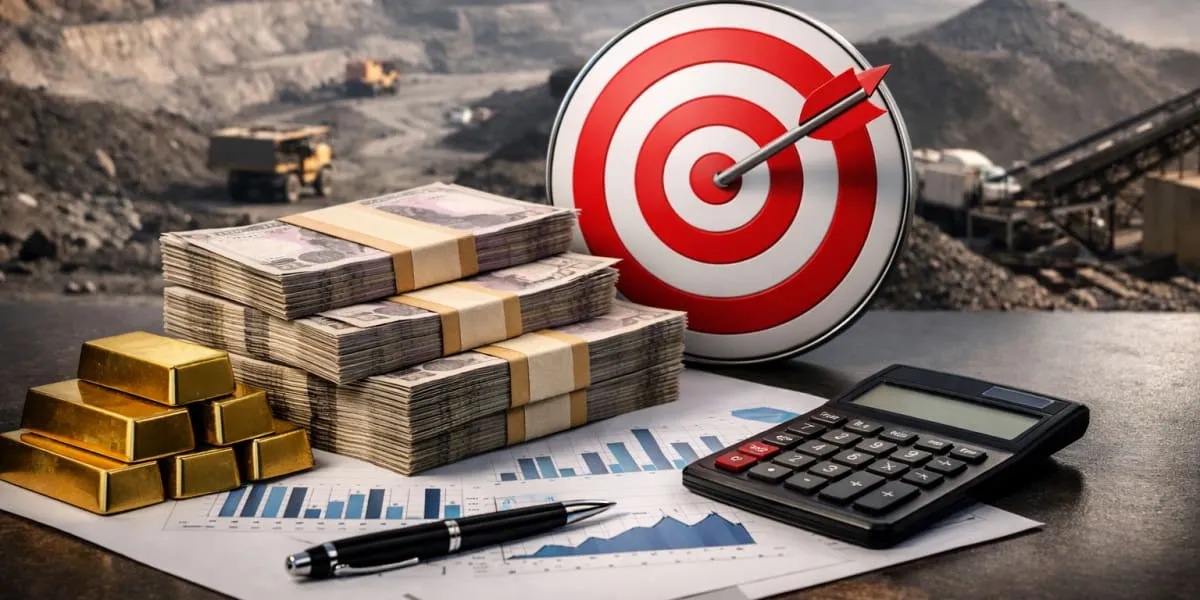
The Rajasthan Mines Department has set a target of Rs 15 billion (bn) in revenue for March as it seeks to accelerate state receipts from mineral resources. The figure follows earlier official estimates and represents an intensified push ahead of the fiscal year end. The target reflects expectations that improved administration and tighter oversight can lift collections in the closing month. Officials framed the effort as part of broader measures to strengthen financial resources for the state.

The department plans to prioritise faster processing of licences and permits, streamlined fee realisation and enhanced mechanisms for royalty collection to meet the goal. Emphasis will be placed on rigorous compliance checks across extraction sites and on curbing unauthorised activity that erodes the revenue base. Coordinated action with district administrations and law enforcement is expected to close loopholes in supply chain monitoring. Administrative directives will seek to reduce delays and improve transparency in transactions.

Digital monitoring systems will be used more intensively to track production, movement and sales of minerals, improving auditability and reducing leakages. Greater data sharing between units is intended to allow timely reconciliation of records and quicker detection of discrepancies. Engagement with industry stakeholders will focus on simplifying procedural hurdles while maintaining environmental safeguards and safety standards. Training and capacity building for personnel are planned to support the intensified compliance regime.

If the department achieves the target, the additional revenue could bolster allocations for infrastructure and development priorities in the state budget. Officials will monitor progress through periodic reviews and will recalibrate measures as required to meet the March deadline. The campaign underscores the role of mineral revenue in subnational finances and the need for ongoing reforms to sustain collections. Continued attention to enforcement and administrative efficiency will determine the outcome.

The Rajasthan Mines Department has set a target of Rs 15 billion (bn) in revenue for March as it seeks to accelerate state receipts from mineral resources. The figure follows earlier official estimates and represents an intensified push ahead of the fiscal year end. The target reflects expectations that improved administration and tighter oversight can lift collections in the closing month. Officials framed the effort as part of broader measures to strengthen financial resources for the state. The department plans to prioritise faster processing of licences and permits, streamlined fee realisation and enhanced mechanisms for royalty collection to meet the goal. Emphasis will be placed on rigorous compliance checks across extraction sites and on curbing unauthorised activity that erodes the revenue base. Coordinated action with district administrations and law enforcement is expected to close loopholes in supply chain monitoring. Administrative directives will seek to reduce delays and improve transparency in transactions. Digital monitoring systems will be used more intensively to track production, movement and sales of minerals, improving auditability and reducing leakages. Greater data sharing between units is intended to allow timely reconciliation of records and quicker detection of discrepancies. Engagement with industry stakeholders will focus on simplifying procedural hurdles while maintaining environmental safeguards and safety standards. Training and capacity building for personnel are planned to support the intensified compliance regime. If the department achieves the target, the additional revenue could bolster allocations for infrastructure and development priorities in the state budget. Officials will monitor progress through periodic reviews and will recalibrate measures as required to meet the March deadline. The campaign underscores the role of mineral revenue in subnational finances and the need for ongoing reforms to sustain collections. Continued attention to enforcement and administrative efficiency will determine the outcome.

Next Story
Equipment

MYCRANE Crosses 1,000 Customers in India

MYCRANE, the global platform for crane rental and purchase, has achieved major commercial milestones in India, reinforcing the country’s position as one of its fastest-growing strategic markets. The company has surpassed 1,000 registered customers and 1,000 crane suppliers nationwide, while completing more than 100 paid orders.The growth reflects rising adoption of digital procurement solutions across India’s construction, infrastructure, energy and industrial sectors. Equipment sourced through the platform is supporting projects across the country, with several leading contractors and EPC..

Next Story
Infrastructure Urban

AMTOE 2026 Opens Global Machine Tool Sourcing Hub

The Asian Machine Tool Online Exhibition 2026 (AMTOE 2026) has officially opened as a B2B sourcing platform connecting global buyers with verified Asian suppliers across the machine tool and manufacturing sector. The exhibition will run until 31 October 2026 through a hybrid online and offline model, offering extended sourcing and business networking opportunities.Co-organised by AsianNet and TradeAsia, the event aims to strengthen links between Asian manufacturers and international importers while improving cross-border procurement efficiency and supplier matching.Since launching in 2022, AMT..

Next Story
Infrastructure Energy

Vedanta Lifts Renewable Energy Use by Over 50%

On World Earth Day, Vedanta Limited announced that its renewable energy usage rose by over 50 per cent year on year to 3.97 billion units in FY26, helping avoid 3 million tonnes of carbon dioxide emissions.The company said its portfolio of metals, minerals, power, and oil & gas continues to support advanced manufacturing, electrification, energy transition and clean technology. Aluminium, copper and silver remain critical for applications such as mobility, power transmission, renewable infrastructure and solar photovoltaics, while iron, steel and zinc continue to support energy infrastruct..

Advertisement

Subscribe to Our Newsletter

Get daily newsletters around different themes from Construction world.

STAY CONNECTED

Advertisement

Advertisement

Advertisement