
Essar Plans Rs 51 Billion Biofuel Complex In Gujarat
OIL & GAS

Essar Plans Rs 51 Billion Biofuel Complex In Gujarat

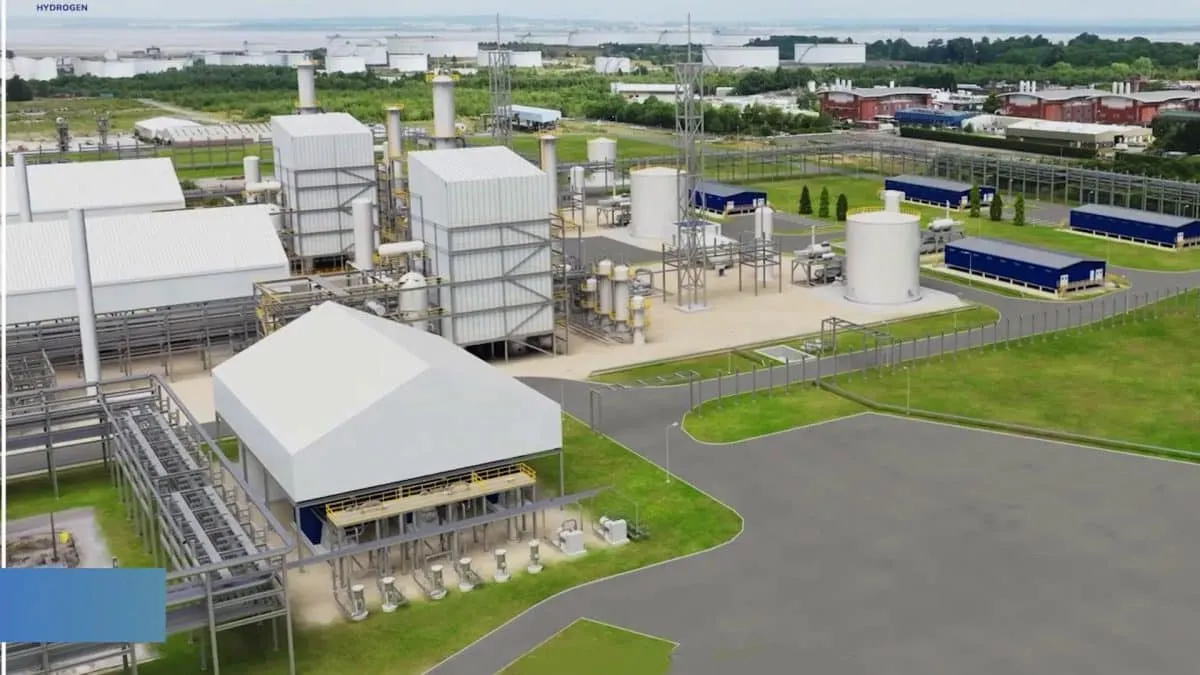
Ahmedabad-based Essar Future Energy Ltd on Monday announced plans to set up a large-scale biofuel complex in Gujarat’s Devbhumi Dwarka district, with a proposed investment of Rs 51 billion. The company signed a memorandum of understanding with the Government of Gujarat at the Vibrant Gujarat Regional Conference held in Rajkot.

According to the company, the project is expected to generate around 350 direct employment opportunities, with operations targeted to commence by 2029. Under the MoU, Essar Future Energy will establish the biofuel complex with an initial feedstock processing capacity of 1 million tonnes per annum.

The facility will be developed as a special economic zone unit and will focus on decarbonising hard-to-abate sectors by offering clean fuel solutions for aviation, shipping and road transport. The company said the project is expected to contribute to regional development while strengthening Gujarat’s clean fuels and bioenergy ecosystem.

The proposed complex forms part of Essar Future Energy’s broader strategy to expand its presence in sustainable fuels and support India’s energy transition through large-scale bioenergy infrastructure.

Ahmedabad-based Essar Future Energy Ltd on Monday announced plans to set up a large-scale biofuel complex in Gujarat’s Devbhumi Dwarka district, with a proposed investment of Rs 51 billion. The company signed a memorandum of understanding with the Government of Gujarat at the Vibrant Gujarat Regional Conference held in Rajkot. According to the company, the project is expected to generate around 350 direct employment opportunities, with operations targeted to commence by 2029. Under the MoU, Essar Future Energy will establish the biofuel complex with an initial feedstock processing capacity of 1 million tonnes per annum. The facility will be developed as a special economic zone unit and will focus on decarbonising hard-to-abate sectors by offering clean fuel solutions for aviation, shipping and road transport. The company said the project is expected to contribute to regional development while strengthening Gujarat’s clean fuels and bioenergy ecosystem. The proposed complex forms part of Essar Future Energy’s broader strategy to expand its presence in sustainable fuels and support India’s energy transition through large-scale bioenergy infrastructure.

Next Story
Infrastructure Urban

Implementation Status of Jal Jeevan Mission

Since August 2019 the Government has implemented Jal Jeevan Mission to provide assured potable water through household tap connections in rural India. At the start of the mission only 32.3 million (mn) rural households, representing 16.7 per cent, were reported to have tap water connections. States and union territories have reported that 125.8 mn additional rural households have since been provided with tap connections. As a result, of about 193.6 mn rural households roughly 158.2 mn, or 81.71 per cent, are reported to have tap water supply at home.\n\nThe State, district and village level st..

Next Story
Infrastructure Urban

Jal Jeevan Mission Reaches Eighty One Per Cent Rural Coverage

The Government reported substantial progress under the Jal Jeevan Mission, launched in August 2019 to provide tap water to every rural household. At launch only 32.3 million (mn) rural households had tap connections and states and Union territories reported provision of 125.8 mn additional households by March 2026. Consequently, out of about 193.6 mn rural households around 158.2 mn, or 81.71 per cent, are reported to have tap water at home. The Finance Minister announced extension of the mission until 2028 in the 2025-26 budget speech. The Swachh Bharat Mission Grameen, launched in October 20..

Next Story
Infrastructure Urban

Empowering Local Governance for Sustainable Rural Water Supply

The Ministry of Jal Shakti has aligned the Jal Jeevan Mission (JJM) with the 73rd Amendment to strengthen village level planning and community ownership of water supply. Gram Panchayats, village water and sanitation committees and Pani Samitis are to plan, implement, manage and maintain piped water systems, with gram sabha processes formalising handover and oversight. Implementation support agencies including non government organisations, community based organisations and self help groups have been empanelled to train local committees and promote women participation. Under JJM, the department ..

Advertisement

Subscribe to Our Newsletter

Get daily newsletters around different themes from Construction world.

STAY CONNECTED

Advertisement

Advertisement

Advertisement