IEW 2026 Panel Sees Natural Gas as Key to Emission Reduction
OIL & GAS

IEW 2026 Panel Sees Natural Gas as Key to Emission Reduction

A high-level leadership panel at India Energy Week 2026 recently highlighted the critical role of natural gas and LNG in reducing emissions while ensuring energy security and economic growth amid global uncertainty. The discussion focused on positioning natural gas as a pragmatic bridge in the global energy transition rather than a short-term substitute.

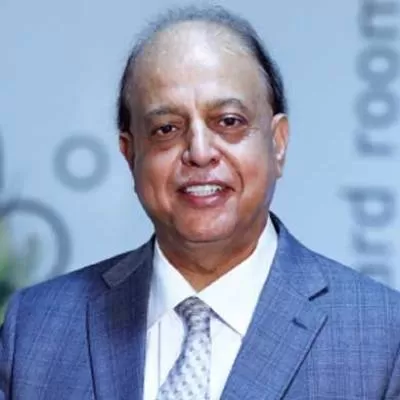
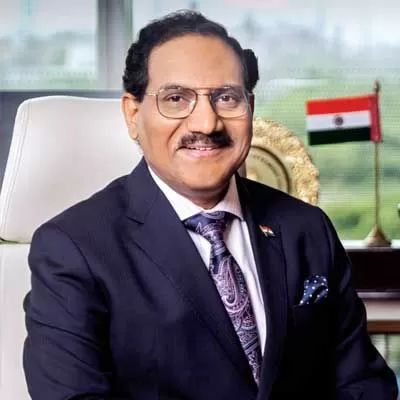
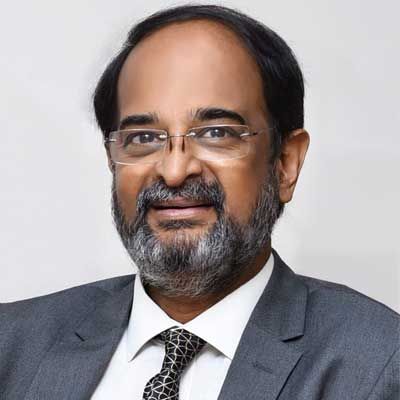
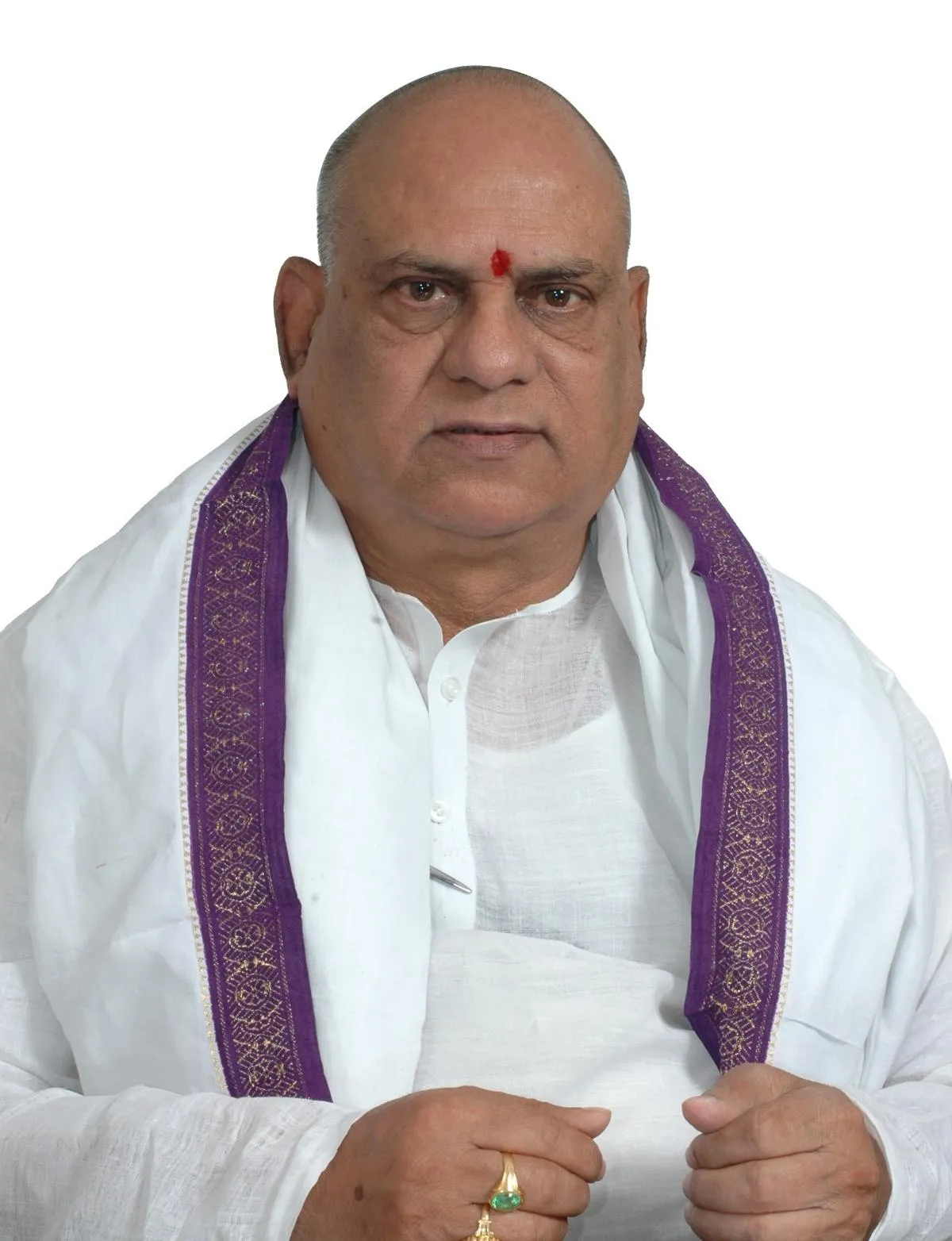
The panel, titled Repositioning Natural Gas and Energy Transformation: Pragmatic Bridging Resource to Pivotal Destination Fuel, featured Arvinder Singh Sahney, Chairman, IndianOil Corporation Limited; Sandeep Kumar Gupta, Chairman & Managing Director, GAIL (India) Limited; Fatema Al Nuaimi, CEO, ADNOC Gas; and Steven Kobos, President & CEO, Excelerate Energy.

Panellists noted that global gas demand is projected to rise by 30–35 per cent by 2050, with coal-to-gas switching offering one of the most immediate pathways to cut emissions while maintaining grid stability. From an Indian perspective, speakers highlighted the country’s expanding gas ecosystem, driven by rising domestic production, diversified LNG imports and sustained investment in pipelines, terminals and city gas distribution networks.

The discussion reinforced that the energy transition should be viewed as energy addition rather than abrupt replacement. Efficient and well-abated gas-based power generation, supported by methane mitigation, efficiency gains and emerging carbon management technologies, was seen as a necessary complement to renewables in ensuring reliability and flexibility.

Affordability emerged as a key challenge, with panellists stressing that natural gas must become more cost-competitive to displace coal and remain viable alongside renewables. Policy stability, long-term financing, lower infrastructure costs and the development of transparent global gas markets were identified as essential enablers, alongside renewed upstream investment and expansion of LNG import and regasification infrastructure, including FSRUs and last-mile connectivity.

A high-level leadership panel at India Energy Week 2026 recently highlighted the critical role of natural gas and LNG in reducing emissions while ensuring energy security and economic growth amid global uncertainty. The discussion focused on positioning natural gas as a pragmatic bridge in the global energy transition rather than a short-term substitute. The panel, titled Repositioning Natural Gas and Energy Transformation: Pragmatic Bridging Resource to Pivotal Destination Fuel, featured Arvinder Singh Sahney, Chairman, IndianOil Corporation Limited; Sandeep Kumar Gupta, Chairman & Managing Director, GAIL (India) Limited; Fatema Al Nuaimi, CEO, ADNOC Gas; and Steven Kobos, President & CEO, Excelerate Energy. Panellists noted that global gas demand is projected to rise by 30–35 per cent by 2050, with coal-to-gas switching offering one of the most immediate pathways to cut emissions while maintaining grid stability. From an Indian perspective, speakers highlighted the country’s expanding gas ecosystem, driven by rising domestic production, diversified LNG imports and sustained investment in pipelines, terminals and city gas distribution networks. The discussion reinforced that the energy transition should be viewed as energy addition rather than abrupt replacement. Efficient and well-abated gas-based power generation, supported by methane mitigation, efficiency gains and emerging carbon management technologies, was seen as a necessary complement to renewables in ensuring reliability and flexibility. Affordability emerged as a key challenge, with panellists stressing that natural gas must become more cost-competitive to displace coal and remain viable alongside renewables. Policy stability, long-term financing, lower infrastructure costs and the development of transparent global gas markets were identified as essential enablers, alongside renewed upstream investment and expansion of LNG import and regasification infrastructure, including FSRUs and last-mile connectivity.

Next Story
Infrastructure Urban

PM Modi Addresses India-EU Business Forum in New Delhi

Prime Minister Shri Narendra Modi recently addressed the India–European Union Business Forum at Bharat Mandapam, New Delhi, describing the current phase as a new era of alignment in India-EU relations. He noted that the presence of EU leaders as Chief Guests at India’s Republic Day and the conclusion of the largest Free Trade Agreement in India’s history reflect unprecedented strategic convergence between the two democratic partners. Highlighting economic ties, the Prime Minister said bilateral trade has doubled over the past decade to 180 billion euros, with EU investments in India exc..

Next Story
Infrastructure Energy

PM Modi Highlights Energy Opportunities at India Energy Week 2026

Prime Minister Narendra Modi recently addressed the inaugural ceremony of India Energy Week 2026 via video conferencing, describing India as a land of immense opportunity for the global energy sector. He noted that representatives from nearly 125 countries had gathered to deliberate on building an energy-secure and sustainable future, underlining the event’s growing stature as a global platform for dialogue and action. The Prime Minister highlighted that India’s position as the world’s fastest-growing major economy is driving sustained growth in energy demand, while also creating opport..

Next Story
Infrastructure Energy

India–EU Free Trade Agreement Marks Strategic Trade Breakthrough

India and the European Union have recently concluded the India–EU Free Trade Agreement (FTA), marking a major milestone in bilateral economic engagement. The agreement was jointly announced at the 16th India–EU Summit by Narendra Modi and Ursula von der Leyen, positioning the two blocs as trusted partners committed to open, rules-based and inclusive growth. The FTA follows sustained negotiations since talks were relaunched in 2022 and reflects a shared strategic vision between the world’s fourth- and second-largest economies, together accounting for about 25 per cent of global GDP and n..

Advertisement

Subscribe to Our Newsletter

Get daily newsletters around different themes from Construction world.

STAY CONNECTED

Advertisement

Advertisement

Advertisement

Advertisement

Open In App