India Adds Three Point Nine GW Solar Capacity In April
POWER & RENEWABLE ENERGY

India Adds Three Point Nine GW Solar Capacity In April

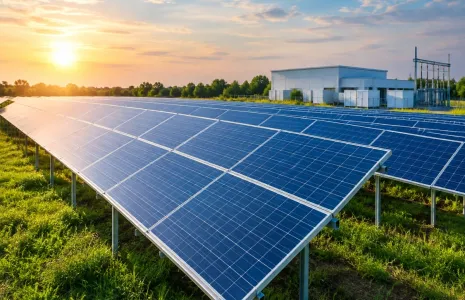
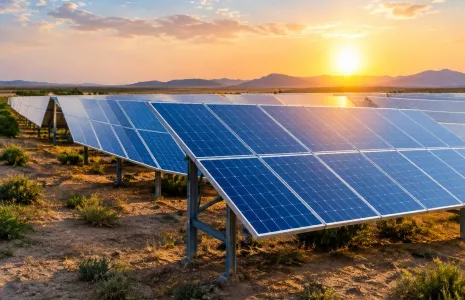
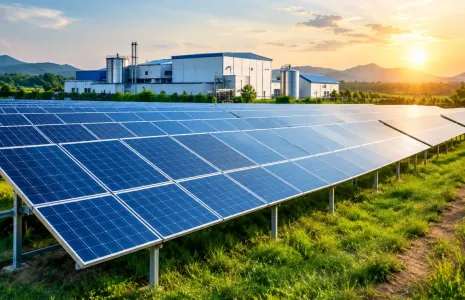
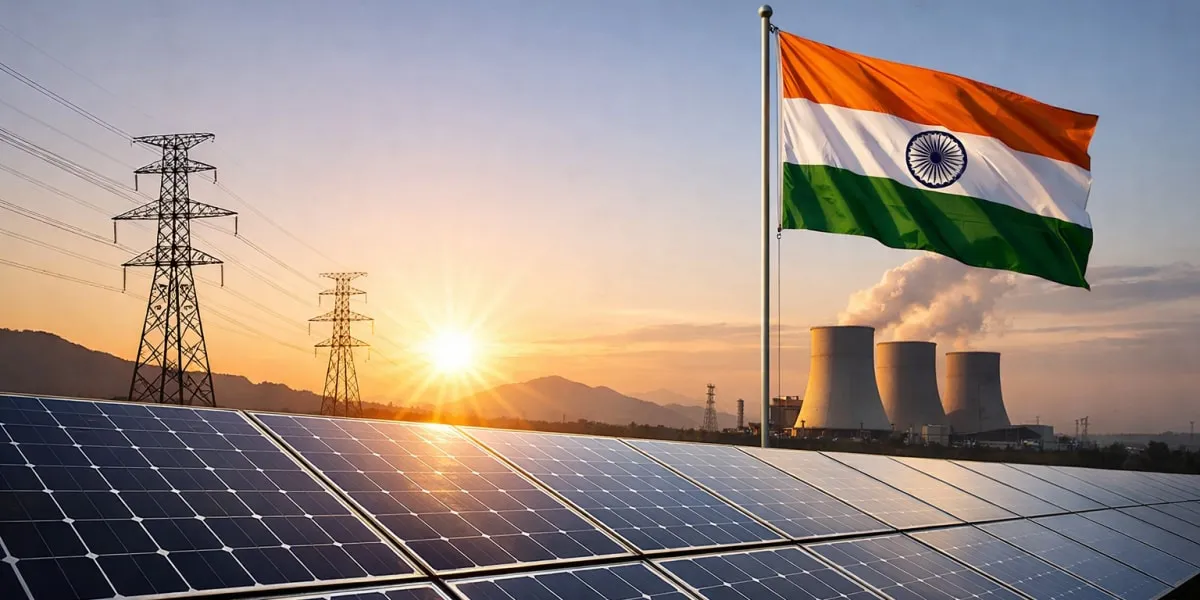
India added three point nine gigawatt (GW) of solar capacity in April, taking total installed solar capacity to 154 GW and marking another milestone in its rapid renewable energy expansion. The increase reflects the country’s shift towards a large scale clean energy economy driven by industrial growth, energy security concerns and infrastructure modernisation. The latest additions underline solar energy’s emergence from an alternative supply to a central pillar of national energy strategy.

Over the past decade the solar sector has scaled from a modest base to a broad array of utility scale projects, rooftop systems, open access installations and hybrid developments. Policy reforms and incentives have been central to growth, including the Production Linked Incentive scheme, the Approved List of Models and Manufacturers, import duties on foreign equipment and targeted rooftop subsidy programmes that aim to build a domestic manufacturing ecosystem. Rising corporate adoption and expanding electricity demand have also supported deployment.

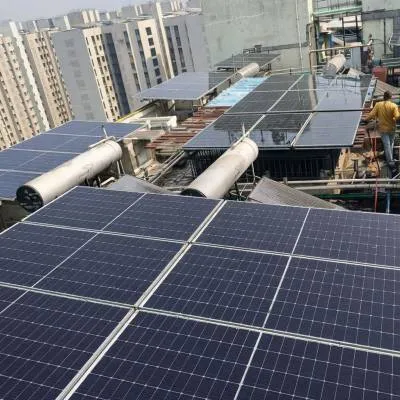
Large scale solar parks continue to account for the bulk of new capacity due to economies of scale and investor interest, while distributed solar is gaining momentum as households and commercial users adopt rooftop systems to cut power costs and improve energy independence. The growth arrives as electricity demand increases with urbanisation, industrial expansion, the uptake of electric vehicles and rising cooling needs. Industry discussion now centres on integrating storage and flexible resources to manage higher renewable penetration.

Stakeholders emphasise the need for transmission upgrades, battery energy storage systems and pumped hydro to stabilise the grid and enable higher shares of variable renewable generation. The government and private sector are accelerating investments in hybrid renewable solutions and grid modernisation to support system flexibility and long term resilience. India’s expanding solar base strengthens its appeal for clean energy investment and positions the country as an important participant in the global solar supply chain, even as future progress will depend on how effectively grid, storage and digital energy infrastructure evolve.

India added three point nine gigawatt (GW) of solar capacity in April, taking total installed solar capacity to 154 GW and marking another milestone in its rapid renewable energy expansion. The increase reflects the country’s shift towards a large scale clean energy economy driven by industrial growth, energy security concerns and infrastructure modernisation. The latest additions underline solar energy’s emergence from an alternative supply to a central pillar of national energy strategy. Over the past decade the solar sector has scaled from a modest base to a broad array of utility scale projects, rooftop systems, open access installations and hybrid developments. Policy reforms and incentives have been central to growth, including the Production Linked Incentive scheme, the Approved List of Models and Manufacturers, import duties on foreign equipment and targeted rooftop subsidy programmes that aim to build a domestic manufacturing ecosystem. Rising corporate adoption and expanding electricity demand have also supported deployment. Large scale solar parks continue to account for the bulk of new capacity due to economies of scale and investor interest, while distributed solar is gaining momentum as households and commercial users adopt rooftop systems to cut power costs and improve energy independence. The growth arrives as electricity demand increases with urbanisation, industrial expansion, the uptake of electric vehicles and rising cooling needs. Industry discussion now centres on integrating storage and flexible resources to manage higher renewable penetration. Stakeholders emphasise the need for transmission upgrades, battery energy storage systems and pumped hydro to stabilise the grid and enable higher shares of variable renewable generation. The government and private sector are accelerating investments in hybrid renewable solutions and grid modernisation to support system flexibility and long term resilience. India’s expanding solar base strengthens its appeal for clean energy investment and positions the country as an important participant in the global solar supply chain, even as future progress will depend on how effectively grid, storage and digital energy infrastructure evolve.

Next Story
Infrastructure Transport

Pune Division to Remove All Diamond Crossings by Year-End

The Pune railway division has announced plans to remove all 16 diamond crossings by the end of 2026 as part of a major yard remodelling project following the derailment of a Vande Bharat Express at Pune Junction on April 27. Railway authorities said the replacements aim to improve safety and streamline train operations across the busy station. The decision followed a Central Railway finding that the accident involved a non-standard diamond crossing and highlighted the need for replacement. Regular maintenance of existing crossings will continue until the replacement work is completed. Official..

Next Story
Infrastructure Urban

Goa Declares 80 Million Square Metres No Development Zone

The Goa state government has declared 80 million square metres (mn) of land a no development zone, designating the area as protected from new construction. The notification reclassifies tracts across the state under a no development category for planning and regulatory purposes. The declaration signals a formal halt to new building permits within the defined zone. Authorities indicated that maps will be issued to show broad boundaries while detailed surveys will refine precise limits. The move transfers responsibility for enforcement to local planning authorities and relevant departments, whic..

Next Story
Infrastructure Urban

Micro Mitti To Invest Rs Three Billion In Indore Project

Micro Mitti has announced an investment of Rs three billion (Rs 3 bn) to develop a commercial project in Indore. The company said the allocation marks a significant commitment to the city's real estate sector and will target commercial space demand. The announcement follows the firm's stated strategy to expand its asset base outside its existing markets. Company executives outlined the plan in a corporate release and provided limited additional details. The commercial project is intended to serve office, retail and related uses in response to demand from businesses and consumers in the region...

Advertisement

Subscribe to Our Newsletter

Get daily newsletters around different themes from Construction world.

STAY CONNECTED

Advertisement

Advertisement

Advertisement