+
India Oil And Gas Sector Faces Pressure From Rising Crude Costs
OIL & GAS

India Oil And Gas Sector Faces Pressure From Rising Crude Costs

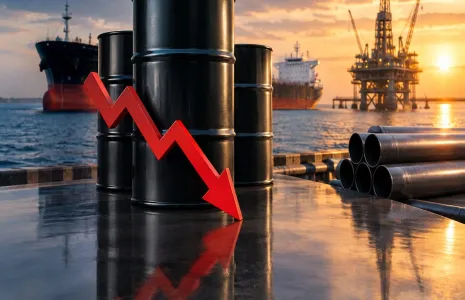
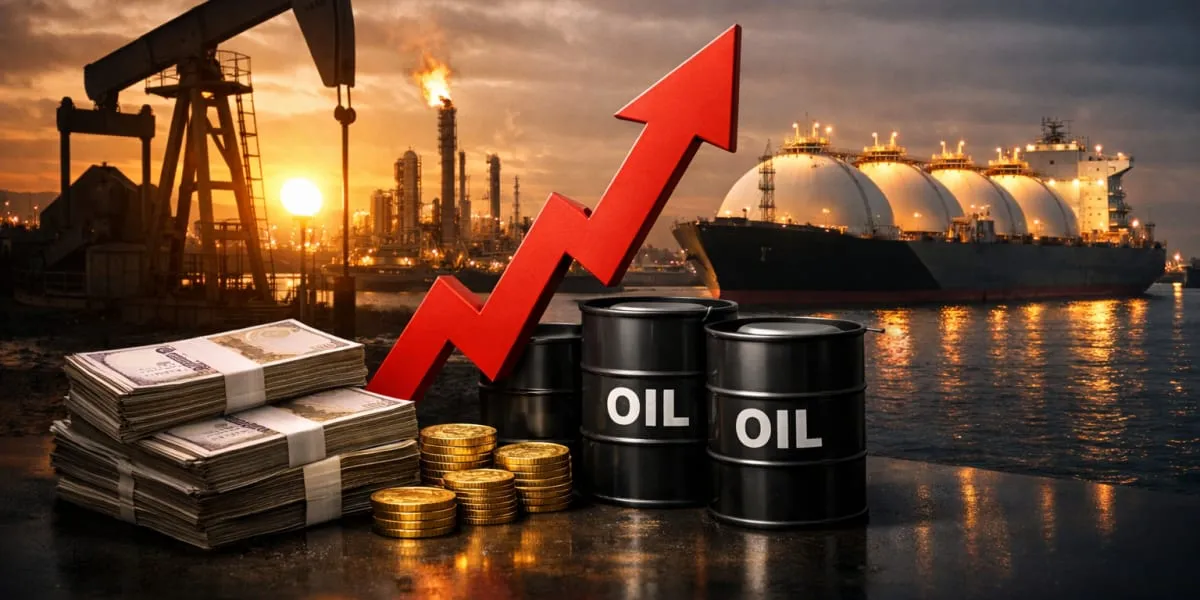
India's oil and gas sector is experiencing mounting pressure as global crude oil and LNG costs increase, squeezing margins across producers and distributors. Rising import bills have eroded profitability for refiners and gas utilities, prompting companies to reassess procurement and hedging strategies. Market participants are adjusting trading positions and operational plans in response to sustained cost inflation.

Refining margins have narrowed as feedstock costs climb, reducing the cushion available to absorb higher operating expenses and capital commitments. Gas distribution firms face elevated input costs for LNG, which have increased the cost of supplying compressed natural gas and piped domestic gas. The cumulative impact has been higher working capital requirements and pressure on cash flows for several mid and large capitalisation firms.

Downstream sectors such as fertiliser production and power generation are contending with more expensive fuel inputs, with a risk of translating into upward pressure on end user prices and input costs for industry. Analysts expect some pass through of higher import costs to retail fuel and industrial tariffs, although the pace and extent will depend on policy interventions and logistical factors. A sustained period of elevated global energy prices would complicate the macroeconomic outlook by widening the current account deficit and slowing investment.

Companies are seeking options including increased hedging, renegotiation of supply contracts and efficiency drives to mitigate margin erosion. Government measures to moderate domestic price volatility and targeted fiscal support for vulnerable segments are under consideration by policymakers seeking to balance inflationary risks and energy security. The outlook will hinge on global supply dynamics, demand recovery and the effectiveness of corporate and policy responses in the near term.

India's oil and gas sector is experiencing mounting pressure as global crude oil and LNG costs increase, squeezing margins across producers and distributors. Rising import bills have eroded profitability for refiners and gas utilities, prompting companies to reassess procurement and hedging strategies. Market participants are adjusting trading positions and operational plans in response to sustained cost inflation. Refining margins have narrowed as feedstock costs climb, reducing the cushion available to absorb higher operating expenses and capital commitments. Gas distribution firms face elevated input costs for LNG, which have increased the cost of supplying compressed natural gas and piped domestic gas. The cumulative impact has been higher working capital requirements and pressure on cash flows for several mid and large capitalisation firms. Downstream sectors such as fertiliser production and power generation are contending with more expensive fuel inputs, with a risk of translating into upward pressure on end user prices and input costs for industry. Analysts expect some pass through of higher import costs to retail fuel and industrial tariffs, although the pace and extent will depend on policy interventions and logistical factors. A sustained period of elevated global energy prices would complicate the macroeconomic outlook by widening the current account deficit and slowing investment. Companies are seeking options including increased hedging, renegotiation of supply contracts and efficiency drives to mitigate margin erosion. Government measures to moderate domestic price volatility and targeted fiscal support for vulnerable segments are under consideration by policymakers seeking to balance inflationary risks and energy security. The outlook will hinge on global supply dynamics, demand recovery and the effectiveness of corporate and policy responses in the near term.

Related Stories

Gold Stories

Next Story
Infrastructure Transport

Madhya Pradesh Plans Airport Every 150 Km, Airstrip Every 75 Km

The Madhya Pradesh government plans to establish an airport every 150 km, an airstrip every 75 km and a helipad every 45 km, according to the state aviation department. Airports being developed in Ujjain and Shivpuri are expected to take the state’s airport count to 10. The government stated that Madhya Pradesh currently has eight airports in eight cities. The locations named by the department include Indore, Bhopal, Jabalpur, Gwalior, Khajuraho, Rewa and Satna. The state also has more than 20 airstrips and 220 helipads, while permanent helipads are planned in all 230 Assembly constituencies..

Next Story
Infrastructure Transport

West Bengal Plans Four Airports for 2028 Completion Under UDAN

West Bengal will develop four new airports under an agreement signed between the Union Civil Aviation Ministry and the state government, with all facilities targeted for completion by 2028. Union Civil Aviation Minister K Rammohan Naidu said the airports would be located at Charra in Purulia, Kalaikunda in Paschim Medinipur, Balurghat in Dakshin Dinajpur and Hasimara in Alipurduar. The project is part of the Centre’s regional connectivity UDAN programme. The Union government has committed Rs. 290 bn for West Bengal’s aviation sector over the next decade, while the state government will pro..

Next Story
Infrastructure Transport

Mumbai Airport Bars Russian Airlines as Agent Seeks Ministry Intervention

Mumbai airport has stopped accepting cargo booked on Russian flag carrier Aeroflot, disrupting shipments and prompting the airline’s cargo sales agent, Delmos Aviation, to seek intervention from the Ministry of Civil Aviation. The restrictions also affect cargo booked on Volga-Dnepr Airlines, according to a letter submitted by Delmos Aviation to the ministry on September 30. Aeroflot operates daily flights between Moscow and Delhi and runs a winter seasonal service to Goa. Bonded cargo from Mumbai and other cities is transported by road to Delhi before being flown to Russia. The agent said t..

Advertisement

Subscribe to Our Newsletter

Get daily newsletters around different themes from Construction world.

STAY CONNECTED

Advertisement

SPECIAL OFFER
QR Code