Indian Oil to develop green hydrogen plant at Mathura refinery
OIL & GAS

Indian Oil to develop green hydrogen plant at Mathura refinery

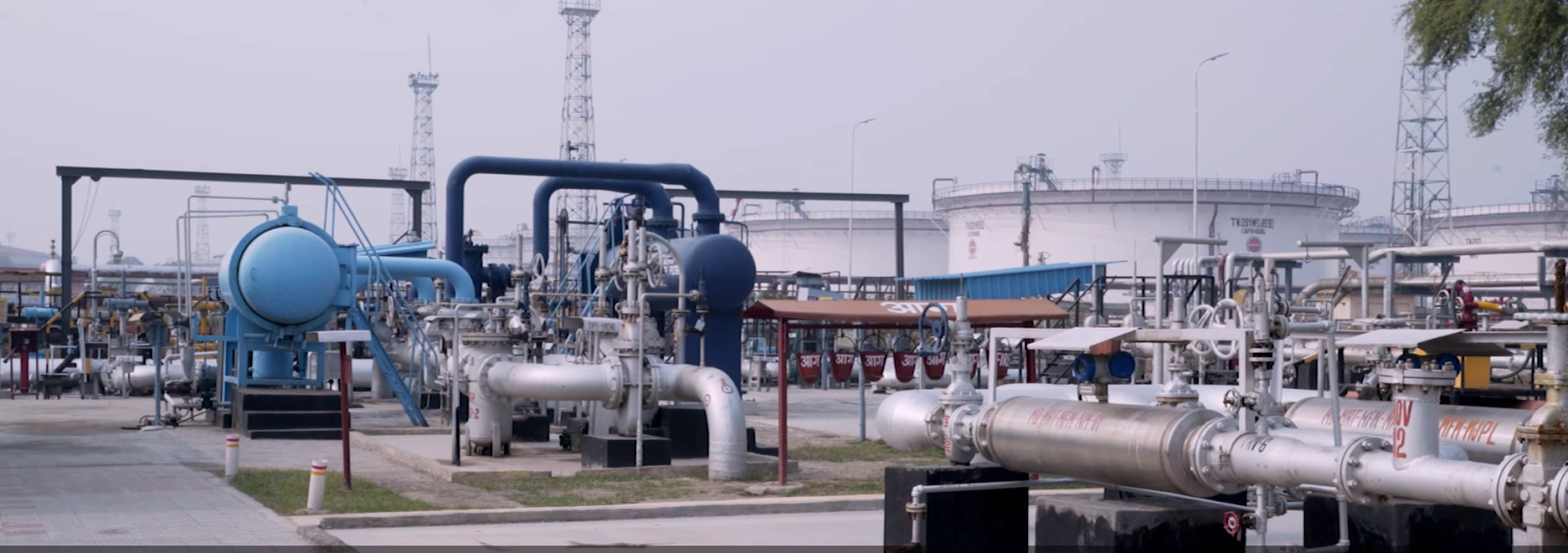
Indian Oil Corporation Limited (IOCL) will develop the country's first green hydrogen plant at its refinery in Mathura. It aims to prepare for a future serving the increasing demand for oil and cleaner forms of energy each.

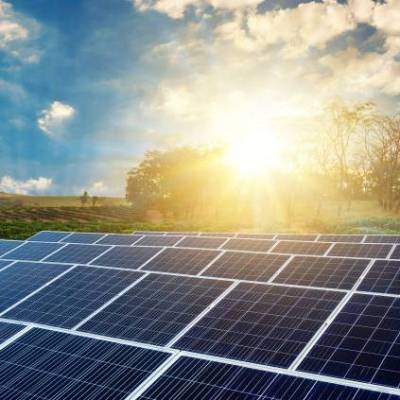
IOCL will not set up captive power plants at all its future refinery and petrochemical expansion projects but rather utilise the 250 MW of electricity it generates from renewable sources such as solar power.

Hydrogen is the newest buzz for reaching the energy needs of the world. It is a clean fuel but producing it is energy-intensive and has carbon byproducts.

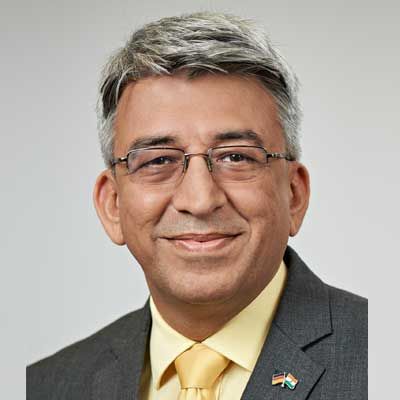
Shrikant Madhav Vaidya, Chairman IOCL, said that Mathura has been chosen under its closeness to the Taj Trapezium Zone (TTZ).

Vaidya said that green hydrogen would replace carbon-emitting fuels that are utilised in the refinery to treat crude oil into value-added goods like diesel and petrol.

He said every expansion project would use grid electricity, preferably green power to meet the energy requirements.

IOCL's refinery expansion plans involve increasing the capacity of units at Barauni in Bihar and Panipat in Haryana and establishing a new unit near Chennai.

The chairman said the company would add 25 million tonne (mt) of refining capacity by 2023-24. Currently, they are 80.5 mt, including CPCL they are going to be 105 mt.

IOCL is preparing to set up some hydrogen production systems on a pilot basis. Petroleum refining and marketing would remain the core businesses of IOC, including much higher petrochemicals integration. Moreover, the gas would play a much larger role. The company would have a presence in electric mobility space via charging stations at petrol pumps and a planned battery manufacturing unit.

Estimates by several agencies see Indian fuel demand increasing to 400-450 mt by 2040 compared to 250 mt right now. It gives sufficient space for all kinds of energy to co-exist.

Vaidya said IOC already commissioned battery swapping stations over many cities. The oil company has already set up 286 charging stations, including swapping stations, over the country, which would be increased to 3,000 EV charging stations in the upcoming few years.

Image Source


Also read: IOCL to sell hydrogen units for revenue

Indian Oil Corporation Limited (IOCL) will develop the country's first green hydrogen plant at its refinery in Mathura. It aims to prepare for a future serving the increasing demand for oil and cleaner forms of energy each. IOCL will not set up captive power plants at all its future refinery and petrochemical expansion projects but rather utilise the 250 MW of electricity it generates from renewable sources such as solar power. Hydrogen is the newest buzz for reaching the energy needs of the world. It is a clean fuel but producing it is energy-intensive and has carbon byproducts. Shrikant Madhav Vaidya, Chairman IOCL, said that Mathura has been chosen under its closeness to the Taj Trapezium Zone (TTZ). Vaidya said that green hydrogen would replace carbon-emitting fuels that are utilised in the refinery to treat crude oil into value-added goods like diesel and petrol. He said every expansion project would use grid electricity, preferably green power to meet the energy requirements. IOCL's refinery expansion plans involve increasing the capacity of units at Barauni in Bihar and Panipat in Haryana and establishing a new unit near Chennai. The chairman said the company would add 25 million tonne (mt) of refining capacity by 2023-24. Currently, they are 80.5 mt, including CPCL they are going to be 105 mt. IOCL is preparing to set up some hydrogen production systems on a pilot basis. Petroleum refining and marketing would remain the core businesses of IOC, including much higher petrochemicals integration. Moreover, the gas would play a much larger role. The company would have a presence in electric mobility space via charging stations at petrol pumps and a planned battery manufacturing unit. Estimates by several agencies see Indian fuel demand increasing to 400-450 mt by 2040 compared to 250 mt right now. It gives sufficient space for all kinds of energy to co-exist. Vaidya said IOC already commissioned battery swapping stations over many cities. The oil company has already set up 286 charging stations, including swapping stations, over the country, which would be increased to 3,000 EV charging stations in the upcoming few years. Image Source Also read: IOCL to sell hydrogen units for revenue

Next Story
Infrastructure Urban

Jyoti Structures Commissions Galvanisation at Second Nashik Unit

Jyoti Structures has commissioned galvanisation operations at its second tower manufacturing unit in Nashik, strengthening its in-house capabilities across critical stages of power transmission infrastructure production. The listed Engineering, Procurement and Construction (EPC) company operates globally and has delivered projects for customers across more than 50 countries.The second Nashik unit, with an annual manufacturing capacity of 36,000 metric tonnes, has become operational following the completion of installation, testing and readiness of the new galvanising facilities. With this deve..

Next Story
Infrastructure Urban

Jyoti Structures Commissions Galvanisation at Second Nashik Unit

Jyoti Structures has commissioned galvanisation operations at its second tower manufacturing unit in Nashik, strengthening its in-house capabilities across critical stages of power transmission infrastructure production. The listed Engineering, Procurement and Construction (EPC) company operates globally and has delivered projects for customers across more than 50 countries.The second Nashik unit, with an annual manufacturing capacity of 36,000 metric tonnes, has become operational following the completion of installation, testing and readiness of the new galvanising facilities. With this deve..

Next Story
Infrastructure Energy

Rosatom Connects First Kursk NPP-2 Unit to National Grid

Rosatom has launched the first power unit of the Kursk Nuclear Power Plant-2 (Kursk NPP-2) into Russia’s Unified Energy System, marking a key milestone in the country’s nuclear energy programme. The initial grid connection took place at the end of the year, bringing a new source of low-carbon electricity online for the Kursk region and the broader Central Energy System.The newly commissioned unit is the first implementation of the VVER-TOI reactor design, which incorporates advanced safety and performance features. With an installed capacity of 1,250 MW, it is the most powerful nuclear pow..

Advertisement

Subscribe to Our Newsletter

Get daily newsletters around different themes from Construction world.

STAY CONNECTED

Advertisement

Advertisement

Advertisement

Advertisement

Open In App