+
OMCs Face Rs. 5.3 bn Daily Hit as Crude Surge Squeezes Fuel Margins
OIL & GAS

OMCs Face Rs. 5.3 bn Daily Hit as Crude Surge Squeezes Fuel Margins

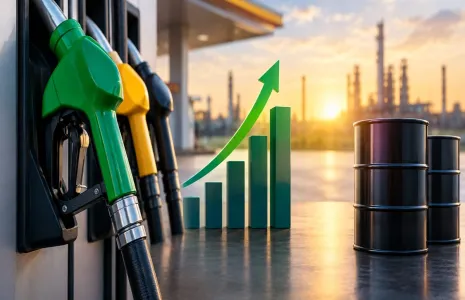
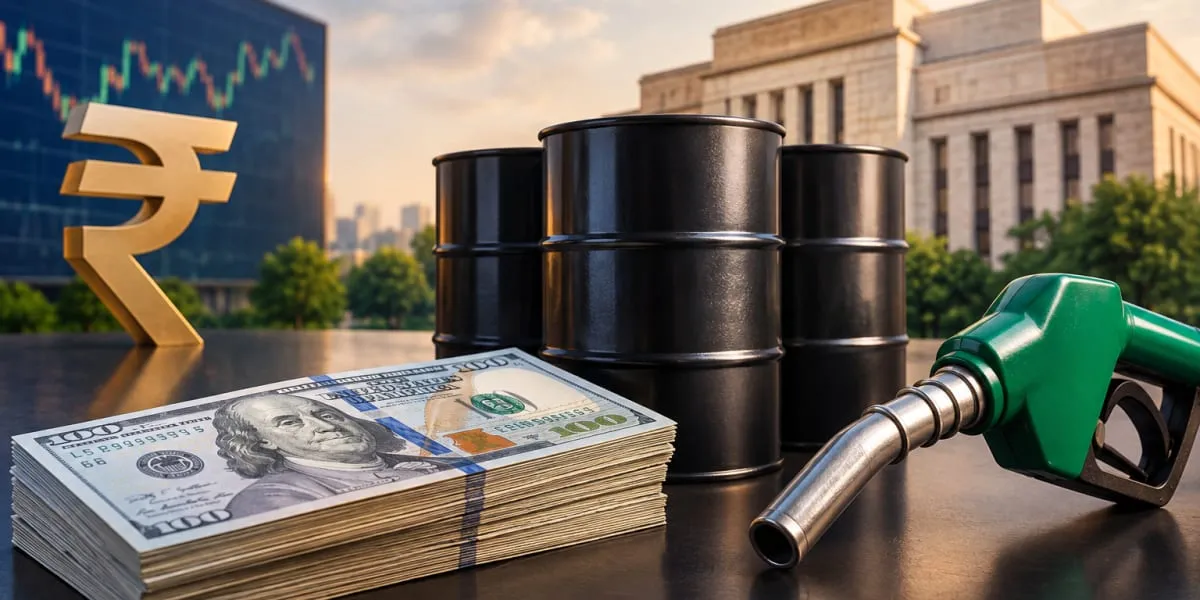
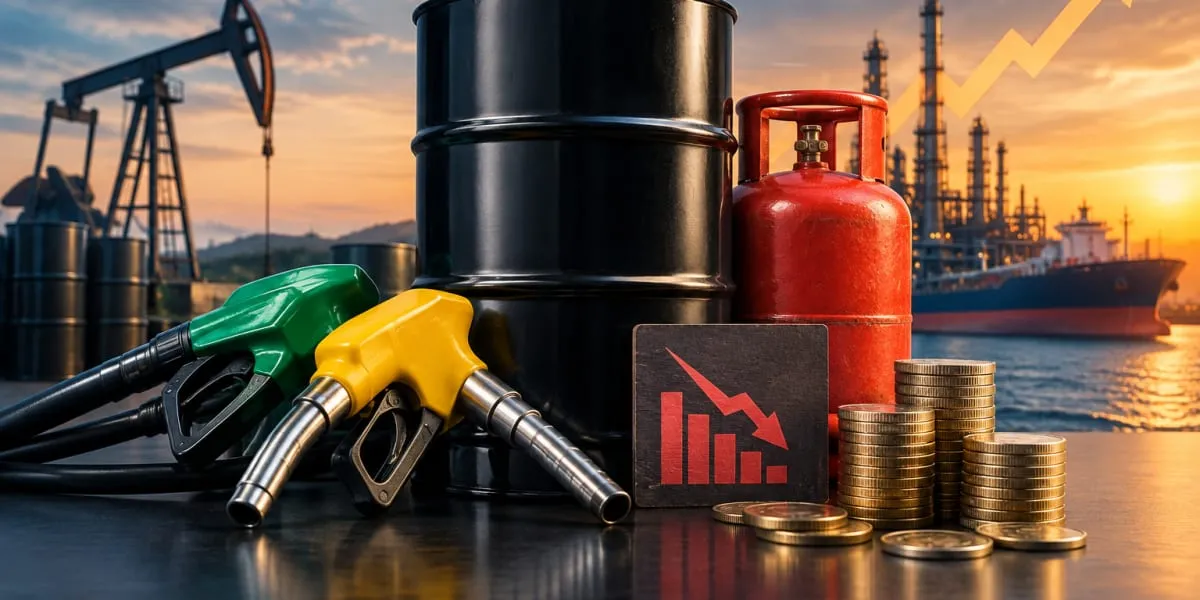
India’s oil marketing companies (OMCs) are estimated to be losing around Rs. 5.3 bn a day as elevated global crude and product prices collide with unchanged domestic fuel prices, according to rating agency ICRA. Marketing margins are estimated at negative Rs. 8 per litre on petrol and negative Rs. 9 per litre on diesel, while domestic LPG under-recoveries stood at around Rs. 300 per cylinder in September 2026.

The Indian crude basket rose to $117.4 per barrel on September 21 from an average of about $66 per barrel in 2025-26. ICRA attributed the increase to the renewed US-Iran conflict, the shutdown of Saudi Arabia’s East-West pipeline and heightened Houthi activity in the Red Sea, which have tightened crude and product supplies.

With domestic retail fuel prices unchanged, OMCs have been unable to pass the full increase in international prices to consumers. ICRA said this would pressure profitability and cash flows while increasing short-term borrowing to fund higher working capital requirements. The impact on earnings in 2026-27 will depend on crude prices, product cracks, retail price revisions and government support for LPG losses.

The agency’s sensitivity analysis showed that marketing losses could remain substantial if crude stays above $100 per barrel, even after domestic fuel price increases. At Brent prices of $105-115 per barrel, annualised domestic LPG under-recoveries could reach about Rs. 1.03 tn if cylinder prices remain unchanged, while a Rs. 90 increase would still leave a shortfall of about Rs. 870 bn. At $115-125 per barrel, the shortfall could rise to Rs. 1.21 tn without a price increase.

The pressure on marketing contrasts with refining margins, which have remained strong. Singapore gross refining margins have stayed above $10 per barrel, supported by supply disruptions and elevated gasoline, gasoil and aviation turbine fuel cracks. The Special Additional Excise Duty offers OMCs some protection, but the cushion is insufficient to offset domestic marketing losses. ICRA also noted that India could diversify crude supplies through Guyana, Nigeria, the US and Brazil, although LPG sourcing would be more difficult because supply is concentrated among fewer countries.

India’s oil marketing companies (OMCs) are estimated to be losing around Rs. 5.3 bn a day as elevated global crude and product prices collide with unchanged domestic fuel prices, according to rating agency ICRA. Marketing margins are estimated at negative Rs. 8 per litre on petrol and negative Rs. 9 per litre on diesel, while domestic LPG under-recoveries stood at around Rs. 300 per cylinder in September 2026. The Indian crude basket rose to $117.4 per barrel on September 21 from an average of about $66 per barrel in 2025-26. ICRA attributed the increase to the renewed US-Iran conflict, the shutdown of Saudi Arabia’s East-West pipeline and heightened Houthi activity in the Red Sea, which have tightened crude and product supplies. With domestic retail fuel prices unchanged, OMCs have been unable to pass the full increase in international prices to consumers. ICRA said this would pressure profitability and cash flows while increasing short-term borrowing to fund higher working capital requirements. The impact on earnings in 2026-27 will depend on crude prices, product cracks, retail price revisions and government support for LPG losses. The agency’s sensitivity analysis showed that marketing losses could remain substantial if crude stays above $100 per barrel, even after domestic fuel price increases. At Brent prices of $105-115 per barrel, annualised domestic LPG under-recoveries could reach about Rs. 1.03 tn if cylinder prices remain unchanged, while a Rs. 90 increase would still leave a shortfall of about Rs. 870 bn. At $115-125 per barrel, the shortfall could rise to Rs. 1.21 tn without a price increase. The pressure on marketing contrasts with refining margins, which have remained strong. Singapore gross refining margins have stayed above $10 per barrel, supported by supply disruptions and elevated gasoline, gasoil and aviation turbine fuel cracks. The Special Additional Excise Duty offers OMCs some protection, but the cushion is insufficient to offset domestic marketing losses. ICRA also noted that India could diversify crude supplies through Guyana, Nigeria, the US and Brazil, although LPG sourcing would be more difficult because supply is concentrated among fewer countries.

Related Stories

Gold Stories

Next Story
Real Estate

Ajyal Holding Acquires 25% Stake in Sterling Ark

Sterling Ark, an independent integrated real estate advisory and project delivery firm, has announced a strategic alliance with Abu Dhabi-headquartered Ajyal Holding. Under the agreement, Ajyal Holding has acquired a 25 per cent stake in Sterling Ark.The alliance is expected to provide Sterling Ark with a broader platform to pursue opportunities and expand its presence across the region. Ajyal Holding operates across real estate, contracting, fit-out, building materials and technology, among other sectors.Sterling Ark provides end-to-end advisory and project delivery capabilities across real e..

Next Story
Infrastructure Urban

YEIDA Allots Land for Five Projects Worth Rs 4.69 bn

A significant step towards converting industrial investment proposals into on-ground projects was taken at the inauguration of the Uttar Pradesh International Trade Show (UPITS) 2026. Union Home and Cooperation Minister Amit Shah presented Letters of Allotment to representatives of five companies investing in the Yamuna Expressway Industrial Development Authority (YEIDA) region.The five projects have been allotted a total of 71,190 sq m of land and involve a proposed investment of Rs 4.69 bn, with the potential to generate 4,625 employment opportunities.C&R Textiles Private Limited has bee..

Next Story
Infrastructure Energy

Hindustan Zinc Restores 1,105 Hectares of Land

Hindustan Zinc Limited has restored 1,105 hectares of land as part of its efforts to integrate ecological restoration with responsible mining. The rehabilitated area, equivalent to more than 1,500 football fields, covers mining and operational landscapes restored through reclamation, plantation, biodiversity enhancement and sustainable land-use practices.The initiatives form part of Hindustan Zinc’s Sustainability Goals 2030 and its broader focus on creating long-term ecological value alongside business growth.Amarendu Prakash, CEO, Hindustan Zinc, said: “The future of mining will increasi..

Advertisement

Subscribe to Our Newsletter

Get daily newsletters around different themes from Construction world.

STAY CONNECTED

Advertisement

SPECIAL OFFER
QR Code