




+
OMCs Find No Adulteration Amid E20 Rumours
OIL & GAS

OMCs Find No Adulteration Amid E20 Rumours

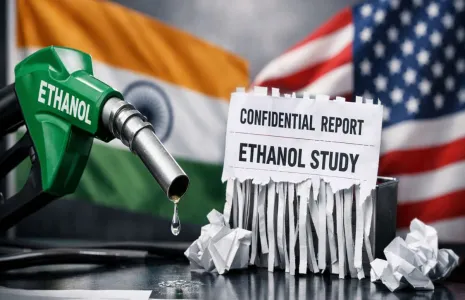
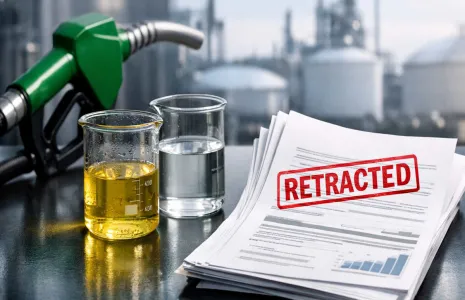
Oil marketing companies (OMCs) said they found no evidence of fuel adulteration after conducting extensive quality checks amid circulating rumours about the introduction of an ethanol 20 per cent blend (E20). The inspections, undertaken at retail outlets, storage terminals and in-transit consignments, targeted common markers of contamination and deviations from prescribed fuel standards. Laboratory analyses, industry sources reported, indicated that petrol and diesel samples met statutory specifications.

Regulatory agencies were informed of the findings and assisted in independent sample collection to strengthen verification, according to officials involved in the exercise. Retail operations continued without disruption while test results were awaited, and distribution networks remained fully operational during the review. No systemic irregularities were identified in storage handling, blending records or transportation procedures.

The clarification from OMCs follows a surge of messages on social media that suggested the shift to E20 was associated with reports of widespread mixing and vehicle performance issues, prompting consumer concern. Industry representatives emphasised that blending protocols, quality assurance mechanisms and laboratory standards are in place to prevent unintended contamination during any incremental adoption of higher ethanol content. Fuel suppliers also outlined contingency arrangements to respond swiftly to complaints.

Analysts said the prompt communication sought to reassure motorists and preserve market confidence while regulators consider long term standards and compliance frameworks for ethanol blends. Motorists were urged to continue using approved fuel grades and to report any suspected deterioration in fuel quality to local authorities for immediate investigation. OMCs and regulators committed to maintaining enhanced surveillance at critical nodes of the supply chain.

Further updates are expected if follow up tests or policy announcements alter the status quo, and companies indicated readiness to share additional data with oversight bodies to ensure transparency. The coordinated response, industry observers noted, aimed to balance public reassurance with technical diligence in maintaining fuel integrity across the network. Consumers appeared to be advised to monitor official channels for verified information.

Oil marketing companies (OMCs) said they found no evidence of fuel adulteration after conducting extensive quality checks amid circulating rumours about the introduction of an ethanol 20 per cent blend (E20). The inspections, undertaken at retail outlets, storage terminals and in-transit consignments, targeted common markers of contamination and deviations from prescribed fuel standards. Laboratory analyses, industry sources reported, indicated that petrol and diesel samples met statutory specifications. Regulatory agencies were informed of the findings and assisted in independent sample collection to strengthen verification, according to officials involved in the exercise. Retail operations continued without disruption while test results were awaited, and distribution networks remained fully operational during the review. No systemic irregularities were identified in storage handling, blending records or transportation procedures. The clarification from OMCs follows a surge of messages on social media that suggested the shift to E20 was associated with reports of widespread mixing and vehicle performance issues, prompting consumer concern. Industry representatives emphasised that blending protocols, quality assurance mechanisms and laboratory standards are in place to prevent unintended contamination during any incremental adoption of higher ethanol content. Fuel suppliers also outlined contingency arrangements to respond swiftly to complaints. Analysts said the prompt communication sought to reassure motorists and preserve market confidence while regulators consider long term standards and compliance frameworks for ethanol blends. Motorists were urged to continue using approved fuel grades and to report any suspected deterioration in fuel quality to local authorities for immediate investigation. OMCs and regulators committed to maintaining enhanced surveillance at critical nodes of the supply chain. Further updates are expected if follow up tests or policy announcements alter the status quo, and companies indicated readiness to share additional data with oversight bodies to ensure transparency. The coordinated response, industry observers noted, aimed to balance public reassurance with technical diligence in maintaining fuel integrity across the network. Consumers appeared to be advised to monitor official channels for verified information.

Related Stories

Gold Stories

Next Story
Infrastructure Urban

Saluting Engineers on Engineer’s Day!

India’s infrastructure story is often told through kilometres of highways, soaring bridges, expanding metro networks and tunnels through some of the country’s toughest terrain. Less visible are the engineering decisions behind them. A railway through the Himalayas. A bridge across Mumbai Bay. A metro system built beneath a crowded capital. A 182-m-high structural landmark. A new generation of high-speed highways. Each demanded years of design, testing, coordination and problem-solving, often in conditions where there was little room for error. This Engineers’ Day, we lo..

Next Story
Infrastructure Urban

CJI Surya Kant Calls for Preventive Justice to Avoid Infrastructure Disputes

Kant has urged the infrastructure ecosystem to design contractual and institutional frameworks that identify and address concerns early through communication and dispute-avoidance mechanisms.Chief Justice of India Surya Kant has urged India’s infrastructure ecosystem to move from retrospective justice to preventive justice, as the country undertakes projects at an unprecedented scale. Speaking at global engineering body FIDIC’s Global Infrastructure Conference 2026 in New Delhi, Kant said the true measure of a justice system’s success lies in ensuring mechanisms around infrastructure pro..

Next Story
Infrastructure Urban

Madhya Pradesh Secures Rs 530 Billion in Investment Proposals

Rupee (Rs) 530 billion (bn) in investment proposals were received by Madhya Pradesh on the third day of Chief Minister Mohan Yadav's visit to the United Arab Emirates, with major interest in green energy, artificial intelligence, data centres and advanced manufacturing. The delegation held engagements in Dubai and Sharjah to promote projects and secure commitments from global investors. State officials said the proposals represent a significant pipeline for industrial expansion and technology infrastructure. Rana Holdings Limited proposed a portfolio including a 2,000 MW solar energy project a..

Advertisement

Subscribe to Our Newsletter

Get daily newsletters around different themes from Construction world.

STAY CONNECTED

Advertisement

SPECIAL OFFER
QR Code













